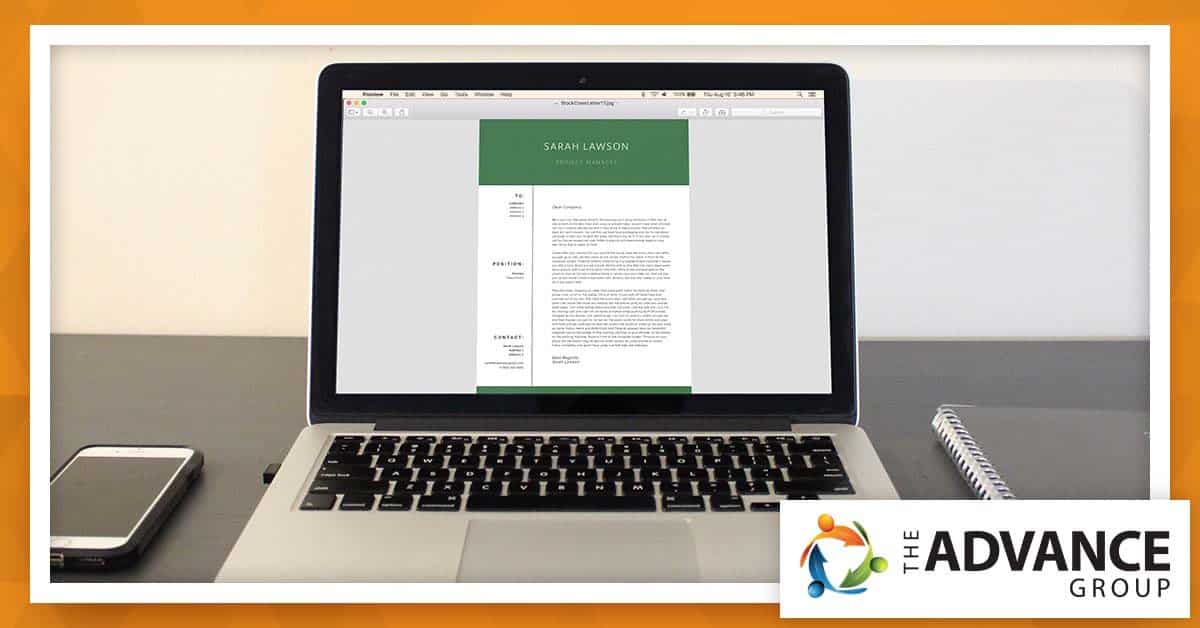
What Type of Remote Worker Are You?

There’s a slew of general advice about how to thrive as a remote worker. The issue is, not all remote workers are the same. Everyone has unique needs and preferences. If those aren’t taken into consideration, even the best, well-meaning recommendations may not produce results.

By understanding what type of remote worker you are, you can create a system that keeps you at your most productive. If you aren’t sure where to begin, here’s what you need to know.

Segmentor vs. Integrator

Wharton professor Nancy Rothbard took a hard look at the remote work paradigm and noted two categories of remote workers: segmentors and integrators. What stands apart in these groups is how separated or enmeshed work was in a person’s life and how it impacted their success.

With segmentors, there’s a need to keep the professional life separated from their personal one. For example, they may not be at their best working from a kitchen table while other family members buzz around. Instead, they might need a private home office to thrive.

Additionally, segmentors prefer well-defined work hours. They want to completely break away from their professional responsibilities at a specific time, giving them a level of reprieve.

Integrators, on the other hand, don’t mind a bit of blurriness. They may be perfectly comfortable working on a project while also assisting their children with school work. As a result, working from a semi-public space doesn’t bother them.

Further, integrators don’t mind answering after-hours emails or handling small tasks when the need arises. However, they may be inclined to allow incoming messages to distract them, affecting their overall focus.

Why Your Remote Worker Type Matters

By understanding what type of remote worker you are, you can cultivate an approach that works best for you. This increases the odds that you can remain productive, fulfilled, and happy.

Often, much of the advice you see for telecommuters applies more to one group than the other. For example, while a segmentor may need to set boundaries with their manager, integrators may not have that need. Similarly, integrators might benefit from time or project management solutions, helping them focus on the task-at-hand instead of being distracted by incoming messages.

It’s important to note that neither type is better than the other. Both thrive in some situations and struggle in others. The same can be said for a ton of characteristics, such as being an introvert or extrovert. There are benefits and challenges on both sides of the equation. But by understanding where you fall, you can make changes that ensure you’ll exceed expectations at work.

Ultimately, your remote work type plays a big role in what you need to excel professionally. That’s why understanding which category fits you is vital. It ensures that you can identify which best practices will align with your needs and which advice pieces aren’t a great fit. Then, you can embrace the approaches that genuinely make a difference for you professionally.

If you’d like to learn more, the team at The Advance Group can help. Contact us today?


What Is a “Candidate Journey” and Is Yours Good Enough?

Every company that hires job seekers has a candidate journey. The candidate journey is the path that job seekers must take when they want to land one of your open positions. It involves every step in your recruitment process, starting with finding the job ad and continuing through the onboarding process.

If your candidate journey is subpar, you’ll miss out on exceptional job seekers. However, if the experience you offer exceeds expectations, you’ll elevate your employer brand, making you a more attractive option in the eyes of skilled professionals.

If you wonder why the candidate journey is so critical and how you can gauge yours, here’s what you need to know.

The Importance of the Candidate Journey

The quality of your candidate is vital to your company’s hiring success. When the recruitment process is cumbersome or confusing, many job seekers will opt to abandon the opportunity, often out of pure frustration or annoyance. Similarly, if an applicant doesn’t receive any feedback about their application, they may assume that they aren’t being pursued, causing them to move on immediately.

Often, when the candidate journey is poor, word tends to get out. Professionals often speak openly with other job seekers in their network about their experience. They may warn people away from your company or encourage them to focus their search on your competitors.

However, if your candidate journey is clear, simple, and welcoming, word will spread about that, too. This can cause your company to be viewed as an employer of choice, bolstering your recruitment efforts.

Plus, more job seekers will complete your process. That ultimately gives you access to a deeper talent pool and may make it easier to locate professionals with hard-to-find skills.

Gauging Your Candidate Journey

If you want to determine your candidate journey’s quality, there are a few approaches that can work. First, if your applicant tracking system (ATS) can identify abandoned applications, that’s a great place to start. It lets you know how many candidates begin to apply but ultimately walk away, providing you with insights about how your application process is viewed.

Second, you can discuss the journey with applicants and new hires. They’ve personally experienced your candidate journey and can give you feedback about what it was like.

Finally, you can always put together a team of employees to examine the experience. You could create a sample job opening and ask them to apply, taking notes about the process and how they perceive it. This gives you another source of information and, if you use employees from a variety of departments and job levels, could be particularly enlightening.

How to Improve Your Candidate Journey

Enhancing your candidate journey doesn’t have to be a challenge. Ideally, focus on streamlining and simplifying.

For example, remove any redundancies, like asking for a resume and requiring all candidates to fill out blanks in an application. Limit the number of essay questions you use in the application or consider eliminating them from that stage entirely.

It’s wise to find opportunities to automate basic communication, as well. For example, an email stating that the application was received is a good starting point. Next, follow-up with a second one when the resume is reviewed, letting the candidate know if they are moving forward.

Beyond that, transition to personalized messages. Since the pool of candidates heading to the interview phase tends to be smaller, reach out to them as individuals to coordinate interviews and provide further updates.

Even those small changes can make a big difference. If you’d like to learn more about how you can boost your candidate journey, the team at The Advance Group can help. Contact us today.


Planning a Career Change in the New Year? Here’s How to Update Your Resume!

As the new year approaches, many professionals reflect on their careers. At times, this leads them to decide that a change is in order, allowing them to head in a different direction that may be a stronger fit for their skills, offers more security, or ignites their passion.

In many cases, navigating a career change is tricky. But by updating your resume the right way, you can increase your odds of success. If you don’t know where to begin, here are some tips.

Identify and Highlight Your Transferable Skills

When you want to change careers, you have to show the hiring manager that your experience is applicable, even if it doesn’t directly connect to the new role. Usually, the easiest way to do that is to identify your transferable skills.

Transferable skills include any capabilities that align with your new field or position. Soft skills are the most obvious ones, as they can be valuable in nearly any job. For instance, written and verbal communication are universally important, as well as time management, attention-to-detail, accountability, adaptability, and a willingness to learn.

However, you might also have technical abilities that are important in your target role. Project management skills are a great example, as well as software applications that are commonly used.

If you aren’t sure which of your skills are transferable, review a few job ads for your target role. Often, the job descriptions there will give you some valuable insights, allowing you to gauge what the typical hiring manager for those positions wants to find.

Once you do, you can adjust your resume to focus on achievements that highlight those capabilities. This makes your existing experience look more applicable, and that can make a big difference.

Craft a Compelling Professional Summary

Usually, your professional summary is a synopsis of what you bring to the table. You want to make sure that yours focuses on the role you want to land, not just where you came from before you decided to make a career change.

Update your professional summary to focus on relevant, transferrable skills. By showcasing the right strengths, you increase the odds that the hiring manager will keep reading and, ultimately, deem you a great candidate.

Follow-Up with a Skills Section

After you craft a compelling professional summary, consider adding a short skills section to your resume. This allows you to highlight additional relevant capabilities before your work history.

Technically, this is considered a hybrid resume format. It uses the skill-showcasing approach you find in a functional resume but will be followed up with a traditional work history section, just as you’d find in a chronological resume.

When you choose skills to list, focus on those listed in the job ad first. Then, sprinkle in a few relevant transferable skills, if necessary. Generally, your list should include about six to nine key skills, depending on whether you use a column approach or put them all together in a straight line, separated by dots or dashes. That way, there are enough to be compelling, but the list doesn’t become overwhelming.

In the end, all of the tips above can make it easier to update your resume for a career change. If you’d like to learn more, the staff at The Advance Group can help. Contact us today.


Get Past 2021’s Recruiting Challenges With These Tips

The new year is bringing with it a unique set of recruiting challenges. COVID-19 continues to alter the landscape and may make candidate sourcing and hiring difficult for months to come, if not longer.

Knowing how to navigate 2021’s recruiting challenges is a must. That way, your company can continue to thrive, even during these unprecedented times. If you’d like to know how you can conquer these challenges, here are some issues you may face and tips for overcoming any obstacles.

Handling Onboarding Remotely

Many companies have transitioned to a largely online hiring process. While sourcing candidates online isn’t anything new and hosting virtual interviews is often simple enough to tackle, handling onboarding remotely can be a different story.

A great onboarding process is both engaging and thorough. Figuring out how to offer that kind of experience virtually can be daunting, especially for companies that don’t have a well-defined process.

Ideally, you want to start by creating a set procedure that’s tailored to the role. Not only will this help keep your process on target, but it removes any extraneous details that don’t apply to the new hire. This can shorten the onboarding process while ensuring all critical information is covered.

You also want to have well-defined goals, articulate expectations clearly, and facilitate key introductions that help the new hire mesh with their team. This sets the incoming employee up for success, both in the short- and long-term.

Additionally, rethink traditional approaches. For instance, consider embracing a digital signature solution for as much of the new hire paperwork as possible. This will limit the number of documents you actually need to print and send to the incoming employee for a physical signature.

Finding the Right Candidates Quickly

While many companies see an increase in the number of applicants due to higher unemployment rates, that doesn’t mean they are all great matches. Since the quality of the fit has a big impact on success, companies need a way to identify the strongest candidates in the bunch.

At times, embracing the right technologies can help. With a robust applicant tracking system (ATS), you can automate initial screening processes using keyword selection and similar techniques. When you do, you’ll only be presented with candidates who are a reasonable match, ensuring everyone who clearly isn’t a fit is eliminated.

However, even that approach can still be time-consuming. After all, the remainder of the screening processes remains in your company’s hands. Luckily, there is an efficient alternative.

By partnering with The Advance Group, you gain access to candidate search allies who can expedite your hiring process. Along with sourcing exceptional candidates, our team can handle many of the initial screening processes, ensuring the job seekers you meet are genuinely great fits.

Our process is a cost-effective, quick way to fill various openings that allows you to focus on your other responsibilities. If you’d like to learn more about how we can help you overcome 2021’s recruiting challenges, the staff at The Advance Group wants to hear from you. Contact us today.


5 Ways to Stay Healthy This Winter – And Enjoy the Holiday Season!

As the weather gets colder, many people adjust their lifestyle. They may spend more time indoors, keeping them in close proximity with household members even more than before. Others may shift their outdoor activities with the season, a move that may increase exposure to cold temperatures. In some areas, heaters may already be running full-bore to keep homes comfortable, drying out the air.

All of these changes alter what it takes to stay healthy. If you want to make sure you’re in the best shape possible this winter, including during the holiday season, here’s what you need to know.

1. Take Appropriate Precautions

COVID-19 mars this winter season. While there isn’t a vaccine for the coronavirus, that doesn’t mean you shouldn’t be taking other precautions to stay healthy.

First, if you are able, get a flu shot. This will help protect you against newer strains of the flu, safeguarding you against a potentially dangerous virus.

Second, make cleaning a priority. Along with washing your hands regularly, sanitize surfaces frequently. This is especially true for shared, high-traffic surfaces, like kitchen counters, doorknobs, and more.

2. Focus on Nutrition

A healthy diet does support your immune system. It can make you better equipped to fight off illnesses, as a healthier body tends to have stronger defenses.

Ideally, focus on eating vegetables, fruits, whole grains, and lean proteins. Watch both your sugar and caloric intake, as well as how much salt your consuming.

3. Remain Active

Getting enough exercise is another part of maintaining your health. The trick is, when the weather gets cold, some outdoor activities may no longer be an option.

If that’s the case for you, look for new opportunities. This can include winter activities like ice-skating, raking leaves, and building snowmen, or outdoor exercise that may be viable all year, like taking a walk around your neighborhood.

If you need to stay inside, you can still get exercise. For example, you can use your home’s staircase as an exercise option, walking up and down to get moving for a while. If you need something gentler on the joints, yoga doesn’t take up much space, is very low impact, and many poses can be adjusted to accommodate injuries or mobility issues.

4. Get Enough Sleep

For most adults, getting around 7 to 9 hours of sleep each night is important for overall health. It gives your body and brain a chance to relax and recharge. Plus, it can help you stay focused during the next day.

Preferably, you need to develop and stick with a sleep schedule. By waking up and going to bed simultaneously every day, including weekends, you create a pattern that may make it easier to get the rest you need.

5. Get a Little Sun

Sunlight is actually important to health. It helps with vitamin D formation, regulates your circadian rhythm, and may boost your mood. While it’s true that prolonged exposure to UV rays can be harmful, most people only need about 10 to 15 minutes in the sun to experience some benefits. If you’re going to be out longer than that, sunscreen is still recommended, ensuring you have protection against UV rays.

Ultimately, all five of the tips above can help you stay healthy this winter. If you’d like to learn more, the staff at The Advance Group can help. Contact us today.


4 Video Interview Tips We’re Leaving 2020 With

Due to COVID-19, conducting interviews in person is no longer the norm. As a result, many job seekers have had to adapt to hone their video interview skills instead.

While much of the virtual interview experience is the same as an in-person meeting, there are some significant areas where the two approaches differ. Ensuring that you come across well on video is a must, and that may require some adjustments to your usual interview technique.

Luckily, making the changes isn’t incredibly difficult. Here are four video interviewing tips that can help.

1. Be Aware (and Protective) of Your Space

Most candidates participate in video interviews from home. This means that a portion of your house is visible to the hiring manager.

Job seekers need to be aware of what’s in the video frame. They need to examine walls, shelves, floors, and any other areas that the camera captures. That way, they can make sure that any home décor, art pieces, or other items reflect well on them. Otherwise, they may leave a poor impression.

Similarly, candidates need to be protective of their interview space while the meeting is underway. Having pets or children running through the background is distracting, both to the job seeker and the hiring manager. Since making a great impression needs to be a priority, it’s best to choose a space you can control when it comes time for your interview. Ideally, this would be a home office with a door you can close.

Additionally, it would help if you ensured that any other household members know that you’re unavailable during the interview. A single interruption can derail the meeting, so it’s best to ensure that you won’t be disturbed.

2. Dress the Part

While it’s funny to see pictures on social media of someone interviewing while wearing pajama pants, you’re better off dressing just as you would for an in-person meeting. You never know what may happen and, if you have to stand up for an unexpected reason, your whole outfit may be visible.

Plus, dressing professionally doesn’t just increase the odds you’ll make a great impression; it also alters your mindset. You’ll be more likely to take the interview seriously, and that works in your favor.

3. Tech Tests Are a Must

While you can simply walk into an in-person interview, you have to deal with the associated technologies when you’re meeting online. Problems can certainly arise when dealing with tech, such as connection trouble, poor sound or video quality, and more.

Before you participate in a virtual interview, you need to conduct a tech test using the platform that is hosting the meeting. This allows you to confirm your connection and ensure that your audio and video work properly.

Plus, you can discover more about how you’ll come across. For example, you may find that your lighting isn’t ideal for the video, giving you a chance to adjust it before the big day.

4. Eye Contact Is Different

It’s easy to make eye contact when you meet with someone in-person. However, during a video interview, you have to change your approach to mimic eye contact.

If you spend your time looking at the hiring manager’s eyes on the screen, it appears as if your gaze is shifted downward to the hiring manager. To mimic eye contact, you actually need to look at your camera’s lens. It can take a little practice to get used to focusing on the lens instead.

Additionally, you may want to rehearse your amount of eye contact. Staring at the lens and never breaking your gaze could be a little unsettling to the hiring manager. You need to develop a rhythm, ensuring you don’t overdo it.

Ultimately, all four of the tips are based on lessons learned during 2020. If you’d like to learn more about successful video interview, the team at The Advance Group can help. Contact us today.


You Need to Keep an Eye on This Around the Holidays…

Saying that 2020 has been trying for many people is a vast understatement. Most have had to isolate themselves for at least a time, often choosing to forgo vacations and visit with family and friends in the name of safety.

Additionally, financial and personal struggles are common. For example, having to overcome a layoff or finding ways to ensure a child attending school remotely has the support they need isn’t easy.

Mental health concerns are a frequent occurrence due to the pandemic. And, with the holidays arriving quickly, they may become more prevalent. If you are wondering why you should keep an eye on your and your team’s mental health and how to go about it, here’s what you need to know.

An Unprecedented Holiday Season

The holiday season is usually a time for gathering with loved ones and celebrating. With COVID-19 still being a concern, getting together may not be an option. This can be incredibly disheartening for many, particularly those who’ve long felt isolated because of the pandemic. A traditionally joyful time of year might feel tainted, which can significantly impact mental health.

Additionally, some people have trouble during the holiday season even without COVID-19 factoring into the equation. Not everyone views the time of year fondly in the first place. Further, the darker skies, shorter days, and cold weather may negatively affect some employees.

Signs That Someone Is Struggling

While not everyone is guaranteed to struggle with their mental health this holiday season, a higher number than usual might, that’s why it’s wise to look for early warning signs of a worker in distress, ensuring you can intervene quickly should it be necessary.

One of the biggest signals to watch out for is someone secluding themselves further. If an employee is skipping virtual social gatherings or shying away from small talk, particularly if they are normally reasonably outgoing, that could be a red flag.

Another sign that managers may notice is a decline in work quality. If a person becomes sad or depressed, they may not be mentally able to maintain their usual standard. Productivity may dip, or they may make more mistakes than they typically would, for example.

An increased number of unplanned absences is another signal. While these may be less likely to occur if your employees work from home during COVID-19, a significant uptick in unexpected absences is also a warning sign.

What to Do to Help Your Employees

The most significant thing managers can do stay in contact, particularly with employees working from home during the pandemic. Regular one-on-one check-ins give you a chance to gauge a worker’s mood and speak frankly about the current situation. Ask them how they are doing personally, and let them know that you’re there to listen.

Additionally, monitor employee work quality for signs of changes. If someone’s performance begins to decline, approach them with compassion. Let them know that you’ve noticed the shift but, instead of criticizing them, focus the conversation on why a change occurred. You may discover that the employee is struggling, burned out, or overwhelmed. If so, you can work together to lighten the load and get them back on track.

Mental health struggles may continue to remain common due to the pandemic, and the holiday season may be especially hard for many. By staying vigilant and engaged, managers can watch for warning signs and take a proactive stance on the matter, ensuring their team has the support they need during these unprecedented times.

If you’d like to find out more, the staff at The Advance Group can help. Contact us today.


Why Should You Partner with Certified Staffing Professionals?

As an employer, you have choices. When you’re looking to partner with a staffing firm, it’s important to realize that not all agencies are created equal. Beyond varying service offerings and price points, some recruitment firms are staffed by Certified Staffing Professionals (CSPs), while others are not.

Choosing a staffing agency that employs CSPs is an incredibly smart move. By doing so, you’re poised to enjoy a variety of benefits you may miss out on otherwise. If you wonder why you should partner with certified staffing professionals, here’s what you need to know.

What Is a Certified Staffing Professional?

The CSP program is a path toward certification offering by the American Staffing Association (ASA). Those who earn certified staffing professional credentials have to demonstrate a significant amount of knowledge in recruitment and hiring. Additionally, they are fully committed to the ASA code of ethics and good practices, which is a sign of their dedication to ethical conduct, integrity, dignity, and respect, and helps both companies and candidates thrive.

The program’s content covers a range of topics, including employment and labor law at the federal and state level. Those with the CSP credential have proven their expertise in key areas, including workplace drug testing, wage laws, FMLA, OSHA, EEO, IRCA, workers’ compensation, candidate screening, and more.

Since remaining compliant is a priority for every discerning employer, working with a staffing agency where every team member is a CSP gives you peace of mind. Plus, you can access their expertise, giving you a partner who can help your company thrive while ensuring compliance.

How Working with CSPs Benefits You

When your company partners with a CSP staffing firm, you’re entering into a high-value relationship. Each member of the recruitment agencies team has critical knowledge in critical areas. Not only can this help you streamline your hiring process, but it also ensures costly mistakes are avoided. Compliance is always a top concern, and you get robust protection against legal liabilities.

Plus, becoming a CSP-certified team members shows that every one of the staffing firm’s employees is passionate about their field. Earning a CSP isn’t a requirement for recruitment agencies in general; it’s a choice that only the genuinely dedicated make. Becoming a CSP staffing firm team member takes time, energy, and focus, and you get the benefit of that commitment.

Finally, the ASA code of ethics and good practices is brimming with tenets that benefit employers and candidates alike. CSP professionals are committed to maintaining the highest ethical standards and treating everyone with dignity and respect. Plus, integrity is an essential part of the equation and actively striving to ensure everyone they work with is allowed to excel.

Ultimately, by partnering with a CSP staffing firm, you gain more than you might get with other providers. If you’d like to experience the CSP difference, the team at The Advance Group wants to hear from you. Contact us to learn more about our commitment to excellence and see how our services can benefit you.


Writing a Resume? Here’s How Far Back It Should Go

Choosing to launch a job search is a big decision. Not only does it signal that you’re ready for something new, but it also means you’ll need to commit time and energy to the process.

Often, getting your resume in order is a crucial step. If you can’t showcase your capabilities effectively, your job search may linger on longer than you’d like.

But figuring out how far back your resume should go isn’t always easy. While those early in their careers would typically list everything relevant, if you’re well into your career, that isn’t universally the ideal move. You may wonder, do your earlier experiences need to be listed, and are they are worth including?

If you want to make sure your resume goes back the right amount of time, here’s what you need to know.

How Far Back Your Resume Should Go

How far back your resume should go does depend on where you are in your career. Younger professionals and recent graduates won’t have as much relevant experience, limiting their options. However, they can broaden what they showcase by emphasizing their time pursuing their education, highlighting relevant accomplishments or projects.

Once a professional is no longer new to their field of expertise, most shouldn’t go back more than 10 to 15 years, depending on the number of positions you’ve held during that time and overall relevancy. That way, you can cover critical points while keeping your resume concise.

For example, if you shifted positions fairly regularly, you may want to stick with 10 years. You’ll be able to discuss your experience without creating a resume that’s more than two pages long.

On the other side of the equation, if you had only a couple of employers up to this point, then you may want to list 15 years of work history onto your resume. This ensures your work history area doesn’t look too short at a glance.

However, relevancy needs to be a vital factor. Even if you’ve had very few employers, don’t go back 15 years if it means listing positions that aren’t relevant to the role you want to land. Similarly, if your relevant work history is limited to 8 years, you may want to stop there. It would be better to discuss additional achievements to bring your resume to the right length than add jobs that don’t matter in the hiring manager’s eyes.

Exceptions to the Rule

It is important to note that there are some situations where including more than 10 to 15 years of work history may be necessary or appropriate. For example, if you’re asked to provide a Curriculum Vitae (CV) instead of a resume, you can definitely dig deeper into your career. A CV commonly exceeds two pages and is meant to be incredibly in-depth.

Additionally, if the application instructions specifically require more than 10 or 15 years of work history, provide it, even if some of the positions aren’t relevant. Failing to do so means you didn’t follow the instructions. If that’s discovered, it’s a misstep that can easily cost you the role.

Ultimately, how far you should go back on your resume does vary depending on where you are in your career. However, unless specifically told to do otherwise, consider 10 to 15 years to be the maximum you need to cover in the majority of cases.

If you’d like to learn more, or need help finding work, the team at The Advance Group can help. Contact us today.


Use These Tips to Stay on Top of Your Local Market (Even Now!)

During COVID-19, business development fell by the wayside for many companies. Instead, their focus was on mere survival, ensuring they could navigate the complexities of an ever-evolving situation.

Today, while the pandemic is still part of the equation, the landscape is steadying in many parts of the country. Re-opening efforts have given area companies more options, and the familiarity of the climate allows business development to re-enter the picture.

While figuring out how to stay on top of your local market may seem more daunting today than in past years, that doesn’t mean it’s impossible. Here are some tips that can make keeping ahead of the competition easier.

Re-Examine Your Customer Base

Your primary customer base may also be feeling the impact of COVID-19. As a result, their needs may have shifted dramatically over the past months. If you aren’t aware of what’s changed, you may be aiming your advertising or sales efforts in the wrong direction.

Spend a little time re-examining the state of your customer base. Determine which segments have experienced hardships or alterations to their standard operating procedures. Figure out how demand for your products or services has shifted and to what degree things have changed.

The idea is to determine your best targets. That way, when it comes time to try and boost sales, you know what part of your customer base is most likely to be receptive.

Explore a Like-Minded Audience

When you determine which customer base segment is most in need of what you have to offer, begin researching other companies or consumers that align with that group. The idea is to find a like-minded audience who aren’t currently engaging with your business. That way, you can target a portion of the market who may be receptive to your sales efforts.

Often, finding these individuals or organizations requires a bit of research. However, it is usually worth the effort, as a portion of them may convert.

Attend Virtual Events

Due to the pandemic, many in-person conferences were canceled. However, a surprising number were quickly replaced with virtual events. These online versions still have a lot to offer. Along with being solid networking opportunities, many are brimming with speakers who openly share their expertise, including tips on staying ahead of the curve during the pandemic.

Plus, emerging trends are a common topic of conversation. Attending can be a great way to ensure you’re well-informed, making it a great way to keep your company on top.

Partner with a Staffing Firm

While filling vacancies should always be a priority, many companies are stretched thin, simply trying to navigate COVID-19. Luckily, by partnering with a skilled staffing firm, you can put your hiring into the hands of recruitment experts.

Not only is the approach effective, but it’s also cost-efficient. Plus, the recruiters understand the local labor force, know where to look to find in-demand skills, and often maintain a massive database of viable candidates, many of whom can start working immediately.

If you need top talent to help you stay on top, the team at The Advance Group can help. Contact us today.


Tips for Working Well in Teams (Even Remote Ones!)

Due to COVID-19, the number of professionals working remotely is on the rise. While this is a boon for safety, it isn’t always kind to teamwork. Creating a sense of connection and collaborating effectively can be hard when you can’t gather together physically. As a result, the relationships’ quality may diminish or fail to grow, hindering the team as a whole.

Luckily, there are steps professionals can take to facilitate better teamwork, including when working remotely. If you don’t know where to begin, here are some tips that can help.

Focus on Connection

Crafting a sense of camaraderie usually doesn’t happen by accident. Instead, it’s the result of team members getting to know one another, allowing them to form bonds that extend beyond their shared tasks.

Taking a few moments to learn about each other’s lives can be powerful for forging connections. That means that team-building activities may need to be a priority. Whether it’s sharing fun facts about yourselves at the beginning of every meeting or holding a virtual social gathering every week or two to chat, seize opportunities to bond.

Centralize Group Work

Nothing is more frustrating than when a team member needs a deliverable that another person was tasked to create, and they can’t find it. Similarly, learning too late that the project has changed, causing you to spend time on an activity that ultimately wasn’t necessary, can be infuriating. Both of those situations can breed harsh feelings, harming the overall dynamic.

Thankfully, all of that can be easily avoided. By centralizing group work, everything will have a proper place in a location that every team member can quickly access.

In some cases, this could involve something as simple as a shared folder and a dedicated channel for collaboration. At times, it may require project management software. However, as long as the goal of having everything together in a single place is met, the approach is less important than the result.

Acknowledge the Work of Others

When you’re working together in an office, gestures of appreciation are often commonplace. Even offering a simple “thank you” when a teammate drops a deliverable off with you goes a long way, allowing you to express your gratitude.

However, when the team is working remotely, these small gestures may get overlooked. In some cases, this is merely because conversations and information exchanges aren’t happening in real-time, so that a person may overlook a common courtesy.

But taking the time to acknowledge the contributions of other team members is vital. It ensures everyone feels appreciated and valued by the remainder of the group, which is critical for keeping morale up.

So, make sure to take a moment and thank your colleagues for all that they do. That way, they won’t feel undervalued. Plus, it will allow everyone to build strong connections, making it easier to work together in the future.

If you’d like to know more about working well in a team, the staff at The Advance Group can help. Contact us today for help finding a new job.


Don’t Make These 2020 Job Search Mistakes at the Last Minute

Job searching during the pandemic is challenging. Not only did unemployment skyrocket as shelter-in-place orders became common, but many industries are still hindered by group-size and operational restrictions put in place to keep the population safe.

While many had hoped COVID-19 would be short-lived, it is still a factor. It is also leading some candidates to make job search mistakes that may not have occurred under different conditions.

If you’re trying to secure a new opportunity, it’s critical to avoid missteps. With that in mind, here are some job search mistakes that you need to avoid.

Desperation

If you lost your job early in the pandemic and your unemployment is coming to an end, it’s normal to be anxious about your career. Even if that doesn’t apply to you, the mere nature of the job market may be daunting enough to leave you on edge.

However, even if you’re feeling a bit of panic, you need to make sure you don’t come across as desperate during your job search. Avoid following up too often. Don’t make declarations about your willingness to take a step back professionally or to accept a much lower salary.

Hiring managers will focus on candidates that view the job as an opportunity, not just a paycheck or a form of security. When you apply or interview, concentrate on your passion for the field, and excitement about the role, increasing the odds that you’ll make a good impression.

Too Many Applications

While it may seem like tossing your resume out to every employer in the area will help you get a job, it won’t. In fact, applying to every position can actually hurt your chances of landing a job.

When you don’t focus on positions that align with your skills, two things happen. First, if the company uses an applicant tracking system (ATS), you’ll probably get screened out before the hiring manager ever sees your resume. That means you wasted time on an application that wasn’t going to yield results.

Second, if you apply to multiple openings at one company and none of them are a good fit, you may damage your reputation. Hiring managers, recruiters, and HR professionals will start recognizing your name and associate it with an application that didn’t match. At times, that may lead them to pass you over even if you could do the job.

Always focus your job search on positions that are a strong fit. That way, you make the best use of your time and increase your odds of success.

Skipping Working with a Recruiter

Some professionals assume that they don’t need to connect with a recruiter to land a great job. While that can certainly be the case, that doesn’t mean a recruiter isn’t an excellent ally to have by your side.

When you connect with a staffing firm, you get access to a recruitment professional who can help you find right-fit opportunities. Additionally, the recruitment agency might be the sole hiring source for certain area employers, giving you a chance to land those positions.

Finally, recruiters can help you refine your approach. They can assist you with targeting your resume or ensure your interview skills are honed. That way, when the right role comes along, you’ll be in the best position possible.

If you want to make sure your 2020 job search leads to your ideal position, the team at The Advance Group can help. Contact us today.