Conducting a Safer Job Search from Home

The COVID-19 pandemic is a major health concern. While people are being encouraged to stay home, many professionals still have to conduct job searches. Whether they were part of a coronavirus layoff or simply need a new opportunity, they may not be able to delay.

Luckily, it is possible to conduct a safer job search from home. If you don’t know how to begin, here are some tips.

Embrace Online Job Search Resources

Most professionals are used to handling their job search online. With the COVID-19 pandemic still being an issue, that approach should be the primary way you search for opportunities.

Along with major job boards, look for niche job boards that focus on your specialty. You may find opportunities that aren’t listed elsewhere using that method, so it’s worth exploring.

You can also explore company career pages. If you have a specific organization in mind, that can be the perfect way to learn about their open positions fast.

Additionally, conduct searches on social media as well. Along with LinkedIn, the quintessential social media platform for professionals, you can learn about openings on Facebook and Twitter. For creative professionals, Instagram may also be a worthwhile resource.

Request a Phone or Video Interview

If you are invited in for an interview by a hiring manager, ask if there are phone or video interview options available. By keeping your interview remote, you can avoid having to head to the job site, take public transportation, or cross paths with people who may be infected with the coronavirus.

In most cases, companies are using video or phone interviews as their first choice now. However, if the hiring manager doesn’t offer that approach immediately, don’t be afraid to ask if it’s available. If not, then request details about how they will maintain safety and align with social distancing requirements during the meeting. Then, you can decide if you are comfortable with their approach before you agree to attend.

Work with a Recruiter

By connecting with a recruiter, you can secure a job search ally who can help you explore your career options, all while you remain comfortably at home. The Advance Group accepts applications online, and the recruitment team will happily communicate with you over the phone, via email, or using another approach that makes coming into the office unnecessarily.

Plus, you can take a look at our open positions through our website. If you find a great match, you can apply directly. Once your resume is received, our recruiters will review it quickly to see if the fit is right and contact you regarding any next steps.

Ultimately, there are a lot of options for conducting a safer job search from home, allowing you to reduce your risk of being exposed to the coronavirus. If you’d like to partner with The Advance Group to get yours underway, our team wants to hear from you. Contact us to speak with one of our recruiters today and see how our services can make finding a position as easy and as safe as possible.



Is COVID-19 Affecting Some Workers More Than Others?

The COVID-19 pandemic has affected everyone, at least to some degree. Whether it’s adapting to stay-at-home orders, being part of a coronavirus layoff, or adjusting the children suddenly being home when school was canceled, nearly everyone felt an impact.

However, it’s possible that not all workers are being affected equally. If you are wondering how here’s what you need to know.

Age and the Risk of Severe Illness

Generally speaking, older adults are at higher risk of developing severe illness than younger people. They could have higher chances of requiring hospitalization or a ventilator and could be more likely to end up in intensive care.

Adults over the age of 65 make up about 80 percent of the COVID-19-related deaths, an indication that their illness was more severe than their younger counterparts. At times, this may be due to their bodies having a harder time fighting off the virus. However, underlying health conditions can also play a role, and older adults are more likely to have one.

In some cases, this means that older workers are at higher risk of catching COVID-19 should it make its way into their workplace. Additionally, their chances of getting extremely ill are higher. As a result, if they do get sick, they may be away from the workplace longer, as it could take them more time to recover.

Finally, if hospitalizations are required, older workers may be feeling more of a financial burden. Even if they have sick leave and insurance, the cost of treatment can add up quickly. This could lead some older adults to have to shoulder a significant financial burden for some time as they work toward repayment. At times, that may impact their career or retirement choices moving forward.

Protecting Yourself From COVID-19 at Work

Regardless of your age, it’s wise to take precautions if you are working during the COVID-19 pandemic. If telecommuting options are available, they may be your best choice. By working from home, you don’t have to commute, spend as much time on public transportation, or otherwise interact with others in-person, reducing your odds of being exposed.

If you do have to report to your workplace, focus on limiting your exposure. Follow social distancing principles whenever possible, and wear a face mask. Wash your hands regularly using soap or turn to hand sanitizer if that isn’t an option. Clean surfaces frequently, especially those that many people touch during the day.

Finally, if you believe you may have been exposed, monitor your health and consider getting tested. Additionally, let your employer know immediately and self-isolate as much as possible.

Ultimately, COVID-19 is potentially dangerous to everyone, particularly older workers. It’s critical that you take care of yourself and exercise caution during these unprecedented times, allowing you to limit your odds of infection and slow the spread of the virus.

If you’d like to learn more about navigating the pandemic, the staff at The Advance Group can help. Contact us today.


Health Screener: The Person Everyone Is Looking to Hire Right Now!

The COVID-19 pandemic has led to an increased demand for a range of medical professionals. However, one such position has gained a significant amount of prominence due to its importance in the current landscape.

Health screeners are the professionals that companies are looking to hire right now, allowing them to check and see if a person may have the virus. If you would like to know more about what a health screener is and how to become one, here’s what you need to know.

What Is a Health Screener?

Health screeners are medical professionals that collect specific health-related information on behalf of a medical facility, company or another kind of employer. Precisely what a health screener checks may vary from one role to the next. However, they are usually tasked with checking basic vital signs, such as a person’s body temperature and blood pressure. Additionally, collecting samples for laboratory analysis, such as cheek or nasal swaps, is a standard part of the role.

After collecting the data and samples, health screeners have to take accurate records of what occurred. Often, they have to make sure the information is filed correctly and that samples are logged and submitted for processing.

Why Is Demand for Health Screeners Rising?

Health screeners are in-demand due to the COVID-19 pandemic for several reasons. First, they can be a critical part of COVID-19 testing locations. When employed there, health screeners collect data and samples from individuals who believe they may have the virus, a crucial role in tracking the spread of the disease, and giving vital information regarding whether a person’s been infected.

Second, they may find opportunities with companies who need to monitor the health of their employees or any facility visitors or customers. For example, many organizations have begun screening their staff members regularly so that anyone who may have the virus can be sent home, limiting the chances that they’ll infect their colleagues.

How Can You Become a Health Screener?

The steps you need to take to become a health screener can vary. Often, the exact nature of the duties and any local laws, regulations, or requirements play a role. The more complex the responsibilities, the more education or training you may need before you can land a health screener job.

Typically, your path to becoming a health screener begins with some medical education. At times, paramedic or emergency medical technician (EMT) training can get you started. In most cases, that takes at least six months to complete. After that, you’ll need to pass an exam to become certified in your state.

However, you may need a nursing certification in some instances. That may require a college degree or vocational training. And, like paramedics and EMTs, you’ll have to pass a state exam to get certified.

After that, you should have the base credentials for an entry-level health screener role, allowing you to launch your new career. If you’d like to learn more about how you can enter the medical field, the team at The Advance Group can help. Contact us today.


Laid Off? Now Might Be the Right Time for a Career Change!

Millions of Americans lost their jobs due to the pandemic. While many may have the opportunity to return as states begin to reopen, not all professionals will be enthusiastic about that prospect. When this happens, it could be a catalyst to move onto something better.

If your last position wasn’t ideal, the period after a layoff could be a perfect moment to make a switch. If you are wondering why now is an excellent time to make a career change, here’s what you need to know.

A Clean Break

In many ways, a layoff is a clean break. Usually, you weren’t let go due to performance issues or another reason that could hinder your prospects. Instead, the end of your employment was purely based on circumstances outside of your control.

Additionally, you will be launching a job search while you are unemployed. You don’t have to worry about your boss or colleagues finding out that you want to move in a new direction. It’s a good idea to clue them in. Then, not only can they serve as potential references, but they may also be able to refer you to opportunities.

Time to Explore

Those who were laid off due to the COVID-19 pandemic typically qualify for unemployment. Along with the usual benefits, the federal government provided additional funds, increasing the number of program participants received each week.

Since your income level isn’t as harmed currently, you have more time to find something new. You won’t have to rush out and accept the first offer that comes along. Instead, you can explore your options to figure out what path may be best for you.

This is a critical part of the career change process. Unless you already know exactly where you want to head, you may need to spend some time researching roles, identifying your transferable skills, and determining what steps you need to take to qualify for your preferred job. After a layoff, that time may be available, making it easier to consider a significant switch.

A New Perspective

The COVID-19 pandemic incidentally taught everyone about the stability of their last industry. In some cases, it was a rude awakening, highlighting how a single incident could derail specific niches.

On the other end, it also showcased roles that become critical during a crisis. This is essential information. If you were in a job that practically disappeared during the pandemic, something more likely to survive might be a more attractive option. Essentially, your perspective has changed, and that’s something you shouldn’t necessarily ignore.

Ultimately, a layoff can be an excellent time to head in a new direction. If you would like to learn more about opportunities that may work for you, the team at The Advance Group can help. Contact us to speak with one of our knowledgeable recruiters today and see how our comprehensive services can make a career change easier to manage than ever before.


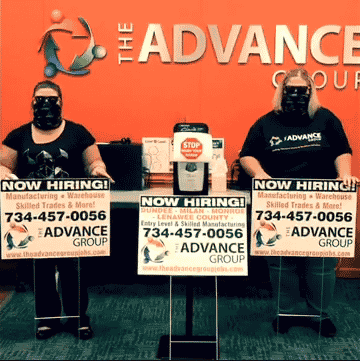
Advance is back with a brand new mission!


Stop, Sanitize, and Listen!

Advance is back with a brand new mission.


This scarf fits on us tightly

We sanitize daily and nightly


Will we ever stop?!?

Hell no!


Getting to the point, to the point I’m makin’

Come get a job before they all takin’


Advance is hiring daily!


Yo, let’s go get a job!

Word to your mother.

What Types of PPE Do You Need for Your Workplace?

Personal protective equipment (PPE) ensures that your employees are as safe as possible when they perform potentially dangerous tasks. Often, it limits their exposure to hazards or mitigates the impact of an accident, reducing the worker’s odds of injury, illness, or even death.

Determining which kind of PPE your workplace needs is often a relatively simple process. At times, it’s dictated by regulations for your industry. In others, the presence of specific occupational hazards is the main point of consideration.

If you are wondering what types of PPE your workplace needs, here’s a look at the six main categories and when they may be necessary.

Face and Eye Protection

Face and eye PPE shield an employee from hazards like splashed chemicals and flying debris. Usually, they are physical barriers that align with the risks present. The most common forms of face and eye protection include goggles, glasses, and face shields.

PPE for Hands

Generally, hand protection comes in the form of gloves. Different materials protect the hands for different kinds of hazards, such as sharp objects, chemicals, biohazards, heat, cold, and more.

However, some hand PPE focuses more on grip quality. These allow certain materials to be held and stabilized with greater ease, reducing the risk of dropping the item or the hand slipping while manipulating, handling, carrying, or using an objective.

Body Protection

Body protection is also selected to shield workers from certain kinds of threats, such as heat, cold, sharp objects, chemical splashes, and more. It can include coveralls, aprons, smocks, or any other clothing item with special features.

PPE for Noise Levels

Loud noises can permanently damage a person’s hearing. PPE for noise levels reduces the sound that makes it to a person’s eardrum, reducing the risk of harm. Earplugs and earmuffs are the two most common forms of hearing protective devices (HPDs).

Respiratory Protection

Many workplaces have substances that are harmful if inhaled. This can include particles or chemicals, depending on the environment. Most respiratory protection comes in the form of a mask, the exact nature of which can vary depending on the threat present.

PPE for Foot Protection

Foot protection can address a range of hazards, though most versions take a similar form, usually a boot or shoe. Some are material-focused, such as requiring rubber boots for electrical safety or non-slip soles for slick surfaces.

Steel-toed boots are a common requirement. The reinforced toe would reduce the odds of injury if an item were dropped onto the foot. Another frequently mandatory version is puncture-resistant footwear, which is typically required if sharp objects may be on the floor.

Ultimately, PPE is critical for any potentially hazardous environment. Making it available doesn’t just ensure your employees remain safe; it may be required by law. If you’d like to know more about PPE in the workplace, the staff at The Advance Group can help. Contact us today and see how our workplace safety knowledge can benefit you.


5 Tips for Getting Back to Work Today

The COVID-19 pandemic spurred widespread layoffs and company closures. Tens of millions of Americans found themselves suddenly unemployed. In most cases, those who were out of a job qualified for unemployment benefits, at times worth more than their original paycheck. While this could make waiting to find a job seem like the right idea, it isn’t.

By delaying a job search, you may face greater competition when you need a job. Large groups of unemployed individuals will see their benefits end at about the same time, pushing them all into the market simultaneously. Additionally, when your payments are close to finishing, you may have to secure a job quickly to maintain a source of income. This could leave you saying “yes” to a role that isn’t a great fit.

Luckily, it’s possible to avoid those issues by launching a job search now. If you want to get back to work quickly and find a great opportunity, here are five tips that can help.

  1. Refresh Your Resume and LinkedIn Profile

If you haven’t updated your resume or LinkedIn profile since being laid off, take a moment to do that before you start searching for positions. That way, you can add details about your last role, including relevant accomplishments that may catch a hiring manager’s eye.

Once the update is complete, you’ll only need to make slight tweaks to your resume when you apply to a role. Targeting your resume can be a fast process, suggesting that your core resume is in good shape.

  1. Tap Your Network for Help

A direct referral can be a great way to land a job, but you usually have to let your network know that you’re interested in opportunities for this route to open up. If you haven’t tapped your network, now is a great time to reach out and ask for their help.

Let your network know what kind of position you’re looking for and ask that they let you know if they become aware of an open job. If you have strong relationships with those you contact, they’ll likely be happy to lend a hand.

  1. Join the Gig Economy

Freelancing and gig work can be a great way to close the gap before you can find a permanent position. At times, freelancing can even turn into a career, allowing you to pick and chose your projects and transition between them when the need arises.

  1. Be Open to Temporary Jobs

Temporary jobs can be another excellent way to earn an income. There are opportunities in nearly every field and industry, giving you a chance to put your skillset to work. Along the way, you may get to acquire new skills, explore different kinds of roles, and find out about different directions you may want to take your career.

Plus, many temporary jobs go permanent. If you shine in the position, there’s a chance the company will make you an offer, allowing you to join their long-term team.

  1. Connect with a Recruiter

If you need to find a job fast, working with a recruiter can be an ideal choice. Staffing firms are well-connected in their communities, giving them access to several openings. Plus, the hiring process is often quicker, enabling you to start earning a paycheck faster.

If you are looking for work, the team at The Advance Group can help. Contact us to learn about our current openings today.


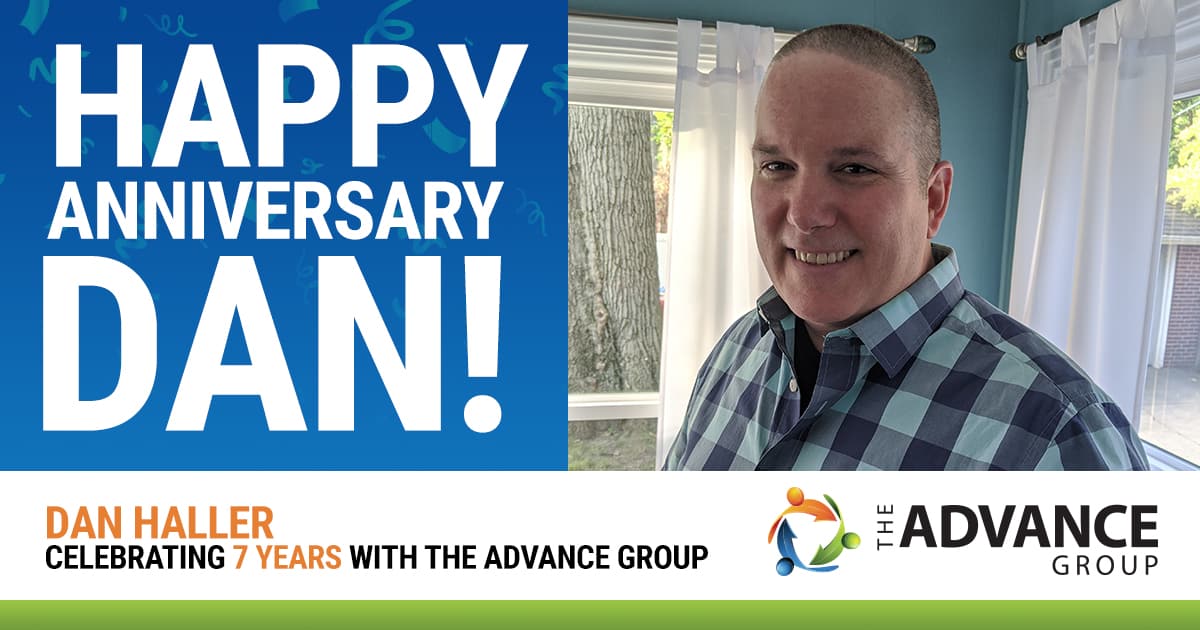
Happy 7th Anniversary, Dan Haller!


To celebrate Dan Haller’s 7th year with The Advance Group, we sat down with him for a Q & A session.  Here are a few highlights to enjoy:


Q: What brings you the greatest joy?
A: Being a dad.


Q: What is on your bucket list?
A: I’d like to visit all 50 states.


Q: What’s your favorite band?
A: Van Halen, yes I know it’s not 1984 anymore.


Dan is a Staffing Specialist and works in our Sylvania branch.  Happy Anniversary, Dan!

How to Make Your Temporary Employees Feel Like Part of the “Big Picture”

When you want your team to flourish, engagement is critical. While many companies go above and beyond to ensure their permanent staff is motivated to succeed, that level of attention isn’t always paid to temporary employees. As a result, your contingent workforce might not feel like a part of the “big picture,” and that can be discouraging.

Luckily, that’s a situation you can remedy. By taking the right steps, you can enhance engagement, ensuring your temporary workers feel connected and valued. If you don’t know where to begin, here are some tips that can help.

Connect the Work to the Company’s Goals

Nearly any task is more meaningful if the employee believes it is making a difference. If you want to make sure your temporary workers are motivated to exceed expectations, then make it clear how their efforts impact and advance the company’s goals.

Now, the objectives must be more meaningful than merely improving profitability. Instead, your contingent workforce needs to be able to see how their work helps customers, their community, and other groups they value. That way, they feel like their job is about more than handling a task, connecting them to the bigger picture.

Integrate Short-Term Hires with Permanent Employees

It isn’t uncommon for temporary employees to be somewhat separate from permanent staff members. At times, this is intentional, though it can also be incidental. After all, long-term team members have a connection, one that may have taken time to forge. Contingent workers are effectively newcomers who won’t be around permanently, and that may create a situation where permanent employees forgo reaching out.

However, by integrating your short-term hires with your long-term staff, engagement and productivity can rise. Usually, the best way to accomplish this goal is to ensure every employee works closely with members of the other group. This can help them get to know one another, allowing them to craft relationships.

Involve Temporary Employees in Team Meetings and Events

When temporary employees aren’t involved in team meetings or group events, they feel separated from the company. This isn’t ideal if you want them to be at their best, as it makes them wonder if they aren’t valued or viewed as assets. Plus, it may prevent them from seeing how they fit into the organization as a whole.

Ideally, you want to involve your contingent workforce in group events and meetings. Whether it’s a team lunch or a progress update, give them a chance to be involved. That can help strengthen relationships, promote a better dynamic, and enhance your company’s culture.

Ultimately, all of the tips above can help you make sure your temporary employees feel like part of the big picture. If you’d like to find out more about how you can set your short-term hires up for success, the skilled team at The Advance Group can help. Contact us today and see how our engagement expertise can benefit you.


Working in a Call Center? This Advice Is for You!

When you work in an office environment like a call center, proper etiquette is a must. By following both the written and unwritten rules associated with being a call center employee, you’re adhering to behavioral standards that your manager and coworkers simply assume you’d adopt.

Not only does office etiquette ensure you’re meeting any unspoken expectations at the call center, but it also promotes a more professional workplace. If you aren’t sure where to begin, here are some tips that can help all call center employees succeed.

Always Dress Appropriately

When you work in a call center, seeing customers face-to-face isn’t typically part of the equation. As a result, you may be tempted to be a bit lax when it comes to your attire or hygiene.

However, failing to adhere to dress code standards isn’t a smart move. By failing to follow the rules, you are opening yourself up to disciplinary action. Additionally, it makes you seem like you aren’t committed to your job or aren’t fully engaged. This could reduce your odds of advancing or could even lead to your termination.

If you aren’t sure what sort of attire is acceptable, speak with your supervisor. They can clarify any points that may be open to interpretation or aren’t entirely clear. Also, observe your supervisors’ and coworkers’ clothing choices. Those can be a guide regarding what’s deemed appropriate, mostly serving as examples.

Be Polite and Appreciative

“Please” and “thank you” should be parts of your vocabulary that you trot out frequently. Whether you are speaking with a customer, coworker, or manager, those simple words aren’t just polite; they let you show your appreciation for others.

Plus, it’s the respectful thing to do, especially if you are making a request, someone was inconvenienced, or someone went out of their way to benefit you. You’ll come across as more pleasant and professional, too, which can help you keep your career moving forward.

Focus on Being a Team Player

When you work in a call center, you spend most of your day working independently. For example, you typically handle incoming contact without assistance from anyone else, and that activity is usually the bulk of your workday.

However, that doesn’t mean you shouldn’t aim to be a team player. In a call center setting, that could mean actively listening when a coworker shares their perspective, shifting your approach when a new procedure could be beneficial, or otherwise adapting to the needs of the group or company.

Additionally, you can be a team player by choosing not to participate in office gossip. Not only is it better for your reputation, but it also ensures you don’t hurt someone else. While you don’t have to like all of your coworkers, this simple courtesy can go a long way when it comes to maintaining a cohesive team and a positive culture.

Ultimately, if you work in a call center, the tips above can make it easier to keep your career on target. If you’d like to find out more, the staff at The Advance Group can help. Contact us today.


Is It Time to Consider Untapped Candidate Pools?

The hiring landscape is challenging. Many companies struggle to find the top talent they need, mainly if it involves an in-demand skill that’s in short supply.

Usually, turning to your typical candidate pool isn’t the way to go. If it didn’t generate great results last time, there’s a decent chance it doesn’t connect with the right professionals. As a result, it may be time to look in a different direction: untapped talent pools.

If you haven’t used a candidate pool recently, you could be missing out on highly skilled professionals. After all, not every job seeker relies on the same resources. By not exploring multiple options, you aren’t going to reach as many as you otherwise could. If you don’t know where to begin, here are some options that may work for you.

Experienced Freelancers, Long-Term Temps, and Gig Workers

Many companies assume that experienced freelancers, long-term temps, and gig workers aren’t open to opportunities with their company, especially permanent jobs. However, that isn’t always the case. Some of them are undoubtedly willing to sign on with an employer, especially if they can provide similar perks they are used to experiencing, like flexible schedules and exciting projects.

Additionally, this talent pool can be an exceptional resource when you need a short-term hire. Many of these professionals adapt to new environments quickly. Plus, their skillsets can be incredibly robust, making them ideal members of a contingent workforce.

Former Employees, Interns, and Temporary Workers

Unless your company has a strict policy against rehiring, then this could be a great talent pool to tap. Your former employees, interns, and temporary workers are already familiar with your organization, increasing the odds they can hit the ground running. Plus, you know a bit about what they bring to the table, and that may let you accelerate the screening process.

Don’t just focus on past employees, interns, and temps who worked in that specific kind of position. Instead, explore their full skillsets to see if they may fit in other niches. Additionally, if they haven’t worked with you recently, look them up on LinkedIn to see where things stand today. You won’t know where their career took them until you do.

Local Staffing Agencies

Recruitment firms maintain large networks of highly skilled professionals, including coveted passive job seekers who are holding out for the right opportunity. By partnering with a local staffing agency, you can access a talent pool that may otherwise be inaccessible.

Plus, these recruitment specialists are highly skilled at finding exceptional talent based on your needs. That means, if their talent pool doesn’t have your ideal candidate, they’ll know where to look to secure the right job seekers for your open position.

If you are having trouble finding skilled candidates in your talent pool, the team at The Advance Group can help. Contact us to discuss your vacancy with one of our recruiters today and see how our services can benefit you.