Is Your Manager Working Against You?


Even leading professionals know their manager won’t always be happy with all of their contributions. However, there is a big difference between receiving constructive criticism that can help you improve and having a boss who is actively working against you.

Unfair treatment, regularly being singled out for the slightest missteps, being denied access to projects even if you have the skills required to handle the work, or having every deliverable examined under a microscope could all indicate your manager isn’t focused on helping you succeed.

Similarly, holding a grudge after a single misstep or frequently asking you to take on tasks that don’t align with your skills (without offering sufficient training or access to resources), could suggest your manager isn’t working with you. Instead, their actions might be a way to undermine your capabilities, harm your reputation, or limit your career potential.

If your boss is continuously singling you out or treating you unfairly, here’s how to address the situation.

Don’t Immediately File a Complaint

Unless you are the target of harassment or threats that are clearly prohibited either by law or based on internal policies, going straight to HR and filing a complaint often isn’t the best choice. It is a fairly extreme move and, if you are misjudging your manager’s motives or intentions, could quickly backfire.

Similarly, going to your manager’s boss is also risky if the issue isn’t clearly harassment or related to real threats. When you use this approach, you are making assumptions about the nature of your treatment in many cases, particularly if you haven’t spoken to your manager about what you are experiencing.

Schedule a Meeting With Your Boss

Instead of going over your manager’s head right away, it’s wise to schedule a one-on-one meeting with them to discuss the issue. This ensures a bit of privacy and gives your boss the benefit of the doubt, allowing you to explore whether their intentions might have been skewed by their delivery.

Before the meeting, make sure to adjust your mindset. You don’t want to accuse your manager of wrongdoing. Instead, prepare yourself to view the situation from their perspective.

Then, when you enter the meeting, focus on asking your boss to clarify their expectations and give you insight into how you can improve. This allows you to take at least partial ownership of the situation and gives your manager a chance to clarify their intentions while opening the door for clear guidance. As a result, you won’t come off as confrontational, but as a concerned employee who wants to improve their performance.

This also makes the meeting a conversation instead of a one-way street. You can work with your manager to find a resolution that is mutually beneficial, instead of going on the attack.

Reevaluate the Situation

Once you have agreed on a solution, monitor the situation to see if it improves. After you begin acting on your manager’s recommendations, they may start working with you more, and things may improve.

However, if the situation remains the same or gets worse even after you try to meet your manager’s expectations, you may need to take further action. This could include getting HR or their boss involved, but that is only a path you should explore if you have evidence to showcase the issue.

Otherwise, finding a new job might be the easiest way to remove yourself from the situation. This is especially true if the environment is toxic overall and filing a complaint proves ineffective.

If you would like to know more or are seeking out new employment opportunities, the team at The Advance Group can help. Contact us to speak with a member of our staff today and see how we can help, or search our open jobs in Michigan and Ohio.




Changing Jobs? Don’t Go It Alone!


Whether your goal is to find a new job in your current field or hope to change careers entirely, managing a job search as a working professional can be tough. Scrolling through tons of vacancy announcements is incredibly time consuming, especially if you have to handle your workplace and personal obligations along the way.

Luckily, you don’t have to manage your job search alone. By working with a staffing agency, you can get support from specialists who can help you navigate the process and find suitable vacancies. If you are wondering why you should go it alone when you are changing jobs, here is what you need to know.

Identify the Core Reason for Making a Change

When you want to change jobs, you might not fully understand your own motivations. Sometimes, a professional only knows where they are today isn’t ideal, but has trouble pinpointing precisely what is missing from their current role, field or employer.

By working with a staffing agency, you can discuss the matter with a professional. They can help you identify the root cause of your desire to move on, ensuring your next position addresses those concerns or issues, and is a better overall fit.

Find Suitable Open Jobs

When you partner with a staffing agency, you work directly with a skilled recruiter. Not only can they help you find suitable vacancies based on your unique combination of education, experience and skills, but they can also take into account your preferences and assess cultural fit.

Since every job requires something different and what a workplace has to offer can vary, working with a staffing agency helps you understand these differences and navigate the job search landscape to find a better fit. The recruiter will work diligently to find the best match possible, ensuring you are just as happy with the position as the employer is with what you bring to the table.

Enhance Your Performance

A staffing agency isn’t just going to help you find a great position; they will also assist you in ways that can make it easier for you to stand out as a candidate. The recruiters may help you fine-tune your resume, practice common interview questions, and identify skill enhancements that may allow you to land your dream position.

Essentially, your recruiter will do what they can to ensure you succeed, giving you guidance and insight that can turn you into a better candidate.

Acquire a Job Search Ally

By working with a staffing firm, you can hand off certain aspects of your job search to a skilled professional. The recruiter will scour their available openings, reach out to their network and even contact area employers to find a role that meets your needs. This can save you a substantial amount of time, allowing you to focus on your current job or personal obligations without having to sacrifice your job search.

Ultimately, working with a staffing agency can be ideal if you are looking to change jobs. If you’d like to know more, the team at The Advance Group wants to hear from you. Contact us to speak with one of our experienced recruiters today and see how our job search services can benefit you.


Is It Time to Start “Upskilling” Your Workforce?


When you are battling with a skills gap on your team, hiring a new employee to fill that void isn’t always the ideal approach. Recruiting can be expensive, and you may not have the budget to support another salary, making hiring someone new essentially off the table.

Luckily, if you have a few talented team members who are open to learning new skills, upskilling could be a cost-effective alternative. Not only will it give you access to the skills your company needs to thrive, but it also serves as a benefit to top-notch professionals who want to continue learning and growing in the field.

Plus, your existing employees are known quantities, unlike new hires. You understand their capabilities, interests and motivations, allowing you to provide training opportunities in a way that creates the most value.

Essentially, upskilling creates a win-win scenario for you and the employee. If you are wondering how you can integrating upskilling into your workplace paradigm, here’s what you need to know.

Identify Your Skill Gaps

If you aren’t sure where to begin with upskilling, take a look at your existing skill gaps. Any area that isn’t well covered by your team’s current capabilities should be a priority target, especially if those skills are genuinely needed today or will be vital to an upcoming project or initiative.

Don’t just focus on skills where no one is able to handle those duties. Instead, also include skills that aren’t well covered, such as in cases where only one team member is adept in that area. That way, you can create coverage or a succession plan, ensuring operations can run smoothly even if one team member departs or is unexpectedly absent.

Create Career Pathways

Upskilling does more than just offer you an opportunity to close skill gaps; it also enables you to create career pathways and prepare for future needs. Many leading professionals prefer environments where they can grow and advance, so having clear paths and supporting training opportunities can significantly boost retention.

Plus, you end up with an opportunity to craft your leaders of tomorrow. By offering upskilling opportunities to your best and brightest, you can cultivate their capabilities in a way that best suits the company’s long-term needs while supporting their progression. Essentially, by investing in the future of your workers, you invest in the future of the business as well, making it a win-win scenario.

Now, this doesn’t mean you should force an employee down a specific path. Instead, consider their career aspirations and how they can align with the organization’s objectives. This allows workers to be placed on paths that meet everyone’s needs and not just your own.

Embrace Several Training Mechanisms

Technology has made learning more adaptable than ever. Instead of having to rely on classroom learning, e-learning and virtual classrooms can be used as a flexible alternative. Informal options, like lunch-time sessions or mobile-friendly microlearning courses, can also integrate learning into the workplace culture with greater ease, all without disrupting normal operations.

Ultimately, upskilling your workforce is a cost-effective option for closing skill gaps and creating the leaders of tomorrow.

The Advance Group can help you find employees with the right skills for your workplace. Click here to check out our Talent Showcase and find employees with the skills you’re looking for, or contact our experienced recruiters to learn more.


How to Stand Out at Work (Even in a BIG Company!)


Working for a large company comes with certain perks. Often, it can be easier to transition into new roles, and the cross-training opportunities can be substantial. However, it also comes with a few drawbacks, particularly when it comes to standing out in the crowd. Luckily, there are things you can do to get noticed for all the right reasons and develop a positive reputation. Here’s how to make sure you are more than just a number at a big company.

Embrace Self Promotion

If you are a part of a large team or company, getting recognized for your achievements isn’t always easy. After all, there are tons of other people competing for the manager’s attention, and you can’t expect your boss to actively track everything.

While extolling your own virtues can be a bit uncomfortable, it is also necessary. Now, this doesn’t mean you should become a braggart or arrogant about what you bring to the table. Instead, using a more subtle approach can go a long way.

For example, if your manager points out something that was particularly well done in a project and you were the one who did that work, thank them for complimenting you. You can also integrate a few of your achievements into your introductory elevator speech, allowing you to showcase your accomplishments when meeting new people.

Get Comfortable With Small Talk

When you work for a big company, you usually encounter a lot of people during the day. While small talk might seem inconsequential, it can help you bond with other employees and give you a reputation for being friendly. Plus, it can help you forge new connections in your workplace.

If you find yourself waiting by the coffee pot with someone else, say hello and introduce yourself. Initiate a conversation, even if it feels trivial, to start building a relationship. Then, over time, you might be able to move past the small talk to something more meaningful.

Volunteer for Cross-Departmental Opportunities

As part of a large company, it’s easy to get stuck in the bubble that is your own department. While venturing into other areas may seem intimidating, it is a great way to get face time with new people and spread your influence.

Whether it is a work project or a social event, consider volunteering if extra hands are needed. That way, you can strengthen your cumulative impact and interact with employees you may not otherwise engage with or even meet.

Contribute in Meetings

When you are in a large meeting, there is an opportunity to stand out from the crowd. Many people are fearful of speaking up, so, if you have something meaningful to add to the discussion, put your fears aside and contribute.

Voicing your thoughts during the meeting, especially if they provide value to the conversation, it a great way to get noticed. Just make sure you aren’t chiming in merely for the sake of being seen, as jumping into the discussion without a meaningful addition could actually do more harm than good.

By following the tips above, you can stand out at work regardless of the size of your company. If you’d like to learn more, the staff at The Advance Group can help. Contact us to speak with one of our experienced team members today, or if you’re looking for a new job opportunity, click here.


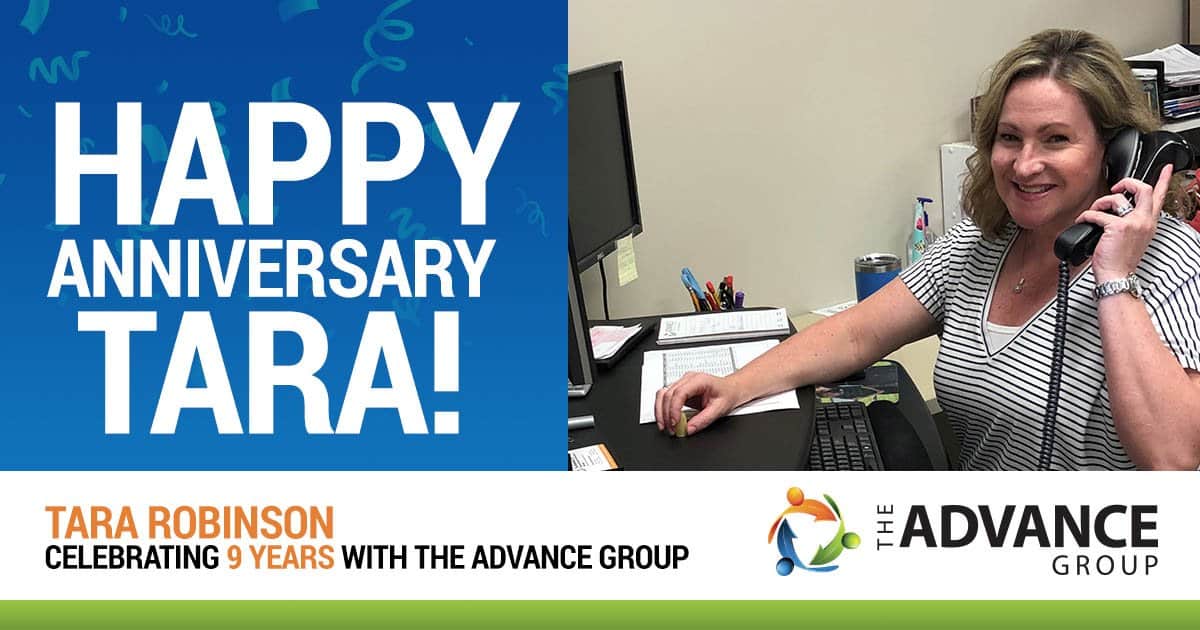
Happy 9th Anniversary, Tara Robinson!


To celebrate Tara Robinson’s 9th year with The Advance Group, we sat down with her for a Q & A session.  Here are a few highlights to enjoy:


Q:  What should everyone try at least once in their life?

A:  Witness a sunrise and sunset, from beginning to end.


Q:  What quote do you live by?

A:  Life is too short to delay getting started. Forget New Year’s or your next birthday or whatever life event you’re waiting to occur. If there is something you want to do, to create, to     experience in this life, start doing it NOW because whatever it is you’re waiting to happen before beginning might not ever happen.


Q:  What do you like to do in your spare time?

A:  Read, listen to music and hang out with family & friends.


Tara is the Regional Business Development Manager and works in our Southgate branch.  Happy Anniversary, Tara!

Are You Applying to Manufacturing Jobs?


When someone gets ready for a job search, manufacturing jobs might not be the first area they chose to explore. Often, myths about the career potential of these roles lead some to pass by these opportunities, causing them to miss out on what they have to offer.

Manufacturing jobs can be an excellent choice for a wide range of individuals. Whether you are looking for your first job or are interested in making a change, here is a look at what manufacturing positions have to offer and who should explore them.

Which Jobs Are Manufacturing Jobs?

Manufacturing jobs play a role in the creation of various products. In most cases, manufacturing employees work in industrial environments like factories, mills or plants. They may complete their duties in variety of ways, as some are highly manual while others rely on technology or equipment, and employees are mainly responsible for ensuring the machinery is operated properly.

There are a wide variety of roles in the world of manufacturing, and many have unique job titles. Assemblers, fabricators, machinists, quality control specialists and welders are just some of the positions that can be available in a manufacturing environment.

What Do Manufacturing Jobs Have to Offer?

Manufacturing isn’t just a place where you can find a job; it’s an industry where you can build a career. Employers in this sector offer competitive wages to secure the workers they need, and many provide access to training to help employees learn, grow and advance in the field.

In 2017, the average worker in a manufacturing role earned $84,832, including the value of their salary and benefits package. On purely the pay side, those working in a manufacturing field earned an average of $27 per hour, and 92 percent of manufacturing employees were eligible for health insurance.

Plus, there is significant growth in the manufacturing industry. About 12.8 million people work in the industry in the U.S. right now, and one estimate suggested an additional 4.6 million manufacturing jobs will likely be necessary over the coming decade.

Who Should Apply to Manufacturing Jobs?

Manufacturing jobs are ideal for career-minded individuals who enjoy making physical products and prefer to be active on the job. Not all positions in this industry require substantial amounts of heavy lifting, though nearly all of them have a physical component.

Being interested in technology and machinery is also a plus for those considering a manufacturing role. Many industrial workplaces are embracing technology to assist with operations, so being open to learning about the equipment and having a desire to operate these machines can make a career in manufacturing incredibly rewarding.

Ultimately, manufacturing jobs are brimming with long-term potential, making them ideal for those seeking a career in an exciting and engaging industry. If you would like to know more about manufacturing or want to explore vacant positions, the staff at The Advance Group can help. Contact us to learn more about our current openings and see how our manufacturing industry expertise can benefit you.


Where Can You Find the Senior Employees Your Team Needs?


Choosing the right candidate for an open position should always be a priority. However, when you are filling a senior role, it is especially critical.

Senior employees and members of the leadership team don’t just accomplish daily tasks; they also influence the strategic direction of the company. Additionally, these professionals often have to guide others, serve as representatives for the company’s brand, and impact future recruiting and retention success.

If you are wondering where you can find the senior employees your team needs to thrive, here are some tips for managing these crucial recruitments.

Social Media Platforms

Many of the best senior-level candidates are currently employed. While they may be open to making a change, they are usually only passive job seekers, not taking part in an active search.

As a result, you need to be proactive during the recruitment process and seek them out instead of waiting for them to come to you. In order to find these candidates, you need to embrace social media platforms.

Usually, you want to begin your search on LinkedIn and Facebook. LinkedIn is generally dominated by professionals, including candidates with college educations and who are solidly in their career. Facebook also shouldn’t be ignored because it is widely used, and many professionals have begun using the platform to further their careers.

Your Professional Network

Tapping your professional network to find suitable candidates is also a wise move. If you maintain relationships with senior-level employees, managers and executives, they may be aware of someone who would be a good fit for your job.

Additionally, a member of your network may even be interested in the role. When you discuss the opening with someone who may be qualified, you can find out if they would like to pursue the opportunity or know anyone who might be interested, allowing you to explore both options.

Recruitment Agencies

Having a partner to assist with your recruiting efforts can make a world of difference for any vacancy, especially senior-level openings. Recruitment agencies maintain vast candidate networks, including coveted passive job seekers, and are also well connected in their communities, making it easier for them to locate strong candidates quickly.

While many people assume recruitment agencies can only assist with entry-level positions, that isn’t the case. Most are quite skilled at finding candidates for any level job, up to and including executive roles.

When you partner with a recruitment agency, you gain a valuable ally whose expertise lies in the areas of recruitment and hiring. Plus, they can be a cost-effective solution, allowing you to find the right candidate quickly and without busting your budget.

If you are working to fill a senior position, the experienced team at The Advance Group can help. Contact us to speak with one of our recruitment specialists today and see how our senior-level hiring expertise can make finding your ideal candidate easier than ever before.


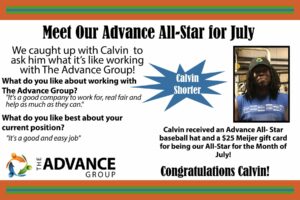
Advance All Star for July!!

Congratulations to Calvin who is The Advance All- Star for the Month of July! Calvin was nominated for his work ethic and willingness to help others.How can you become an Advance All- Star? We are looking for employees with great attendance, a willingness to help others, a strong work ethic, and ability to work well with others.
To apply visit advanced-group.instaging.io/

Should You Tell Your Employer You’re Looking for Work?


Searching for a new job when you are currently employed comes with some challenges. Not only do you have to juggle your professional and personal obligations with your job search, you also have to decide whether you should clue your manager in on the matter.

Wondering whether telling your employer you are looking for work is a good idea is completely normal, especially if your relationship with your boss is strong, supportive and positive overall. Similarly, if you believe your manager would be an excellent reference, you may think that letting them know about your job search makes it easier to include them on your reference list.

However, even if your relationship with your manager is stellar, you still need to be cautious about letting them know about your job search. If you are wondering why, here’s what you need to know.

Telling Your Boss Is Always Risky

For many managers, learning a member of your staff is looking for an opportunity to leave is upsetting. If the employee is a top performer or in a critical role, it can also increase your manager’s stress levels.

Even if you have a good relationship with your boss, they probably won’t be thrilled you are seeking a new job. As a result, the situation can become unpredictable very quickly.

For example, if your employer needs to make cuts, you may suddenly be a target. After all, the company knows you don’t plan on sticking around for the long-term, so putting you on the chopping block makes sense.

In some cases, employers terminate workers who say that they are looking for jobs elsewhere. Whether it happens immediately or if they find someone who can replace you first, you could find yourself out of that role faster than you planned.

Essentially, telling your employer you’re looking for a new job means putting yourself at risk. Since you can’t guarantee how long it will take for you to secure a new position, it typically isn’t wise to inform anyone at your workplace about your intentions.

Using Your Boss as a Professional Reference

If your primary reason for telling your employer in advance is to make it easier to use your manager as a reference, you’re in luck. There is another approach that can work well and achieves the same end goal.

When you meet with a hiring manager about a job opportunity, most will understand using your boss as a reference puts you in a bad position. Usually, they are willing to be flexible, even if they would like to hear from your boss if you are selected.

As you prepare your list of references, let the hiring manager know you would only like them to contact your manager once you have a job offer. Then, if they aren’t happy with what they hear, they can rescind it based on that information.

In the end, this option ensures you have a contingent offer before your current employer is clued in, which can provide you with a level of security during your search.

If you’d like to know more or are looking for work, the professionals at The Advance Group can help. Contact us to speak with one of our experienced recruiters today and see how our job search expertise can benefit you and your search for open jobs.


The True Measure of Your Success as a Leader Lies With This…


Managing people isn’t the same as leading them. Delegating tasks, monitoring outputs, and giving direction might be required in both instances, but leaders often go further. They may coach their employees to reach greater levels of success, help them steer their career in the desired direction, or support them directly during challenging times.

While all of those concepts seem different, they are based on the same idea. Truly successful leaders connect with those around them. They get to know their employees as individuals and adjust their management approach based on each worker’s needs. They understand what is happening in their team’s lives, including details about their experience inside and out of the workplace.

Unless you can connect with those who work with or for you, you might not be the leader you hoped to become. Luckily, forging these connections isn’t as challenging as it may seem on the surface. If you are ready to begin, here are some tips to help you manage the process.

Have a Curious Nature

If you allow your curiosity to come to the surface, you may find opportunities to connect with your team. Curious individuals aren’t afraid to ask questions, as they want to know more about the topic being discussed.

When you speak with an employee, don’t be afraid to ask questions. If they are experiencing a problem, give them a chance to elaborate or describe it in greater detail. If they mention a moment from their personal life in passing – like a party they hosted over the weekend – ask questions to find out more about the event or occasion.

While you don’t want to pry into inappropriate territory, learning to embrace curiosity to keep conversations going can help you forge stronger connections.

Be Willing to Share

Connecting with your team involves more than learning about them; you also have to share information about yourself. If you consistently avoid discussions that give your employees a chance to find out more about you, they may struggle to view you as a whole person. Similarly, if you consistently hide your workplace struggles, they may assume you don’t know what it’s like to face challenges similar to their own.

While you don’t need to divulge a ton of personal details, giving your staff insights into your likes, dislikes, hobbies and family make you more relatable. Additionally, by letting them know when you are facing challenges, they can respond with compassion, leading to a deeper connection. In some cases, they may even offer to help, something else that can lead to stronger bonds.

Essentially, by removing some of the perceived distance between you and your team, you can have more meaningful working relationships. And, with a little time, this can make you a more successful leader.

If you’d like to know more, the staff at The Advance Group can help. Contact us to speak with one of our experienced team members today and see how our leadership expertise can benefit you.


The Painful Truth All Job Seekers Face


For the vast majority of job seekers, landing the first opportunity they find isn’t going to be in the cards. Being rejected simply comes with the territory, as not every professional is a perfect fit for every position.

Even though rejection is part of the process, dealing with it can be a challenge. It can lead to self-doubt, cause you to lose your motivation, and may even cause physical pain in some.

Learning to deal with this painful truth more effectively is beneficial. It can help candidates keep their stress levels lower and allows them to turn the rejection into something constructive: A chance to improve. If you want to make the most of a rejection and ensure it doesn’t derail your job search, here are some tips that can help you during this stage of your career journey.

Request Feedback Whenever Possible

While you may not have many options if your resume is screened out by an automated tool, if you advanced further in the hiring process, you may be able to gather some valuable feedback that can help you during your job search. Let the hiring manager know you would appreciate their input regarding your resume, interview or overall performance, highlighting that your goal is to become a better candidate.

Make sure you stay open-minded during the conversation and avoid becoming defensive. The idea is to learn more about how you were perceived or any shortcomings you may have (such as not much experience in a particular area or a missing skill), giving you ideas on how you can do better the next time around.

Don’t Reply to Rejection Emails Immediately

As you first read a rejection email, your stress levels will rise. It is also common for job seekers to be upset, hurt, or even a bit angry, and that mindset may impact how you respond if you reply right away.

Instead, give yourself a moment – whether that be a few hours or a couple of days – to compose yourself and gain some perspective. This increases the odds you can reply strategically and that any negative emotions don’t lead you to say something you may regret down the line.

Look for the Positives

While job rejections can be hard to stomach, it is wise to look for the positives in the situation. The most obvious is that every position you apply to can serve as a learning opportunity, providing you a chance to hone your resume and interviewing skills and discover more about area employers.

However, you also want to consider whether the position was actually a great fit for you. When people receive a rejection, they often focus on what they feel they missed out on, viewing the experience through a skewed lens. This may lead them to forget about red flags or overlook indications that the job might not have been as ideal as it initially seemed.

While you don’t want to spend too much time nitpicking, realizing everything was not sunshine and rainbows can make the rejection easier to handle. In the end, you may determine the rejection wasn’t necessarily a bad thing, as getting an offer for a role you weren’t overly enthusiastic about isn’t necessarily a better outcome.

By following the tips above, job seekers can learn to deal with job rejection effectively. If you’d like to know more, the staff at The Advance Group can help. Contact us to speak with one of our knowledgeable recruiters today and see how our job search expertise can benefit you. Or click this link to browse open jobs in Michigan and Ohio.


How to Find a Job (Even If You’re Not Looking)


Managing an active job search is daunting. Spending hours upon hours scouring job boards takes a lot of energy, and it’s more than many professionals are willing to do unless they are genuinely trying to find a job.

For more passive job seekers, they would rather stay apprised of exciting opportunities that truly align with their goals and interests. However, they don’t want to dedicate a ton of time to the process since they aren’t necessarily dissatisfied with where they are today.

Luckily, there are ways to find out about jobs, even if you don’t want to seek one out actively. Here are some tips to get you started.

Stay Connected With Your Network

Your professional network is a job search asset, even if you’re not actively looking for new employment. Many people will reach out to individuals if they spot an exciting opportunity that aligns with their skills and abilities. However, they won’t contact you unless the relationship is strong and they are aware you might be interested.

Touch base with members of your network regularly. Discuss how things have been going and give them a chance to respond in kind by asking them questions about their life and career. On occasion, give them insights into your ideal role or career path, letting them know you would be interested if they discovered a position that aligns with your objectives.

This allows you to passively search for new jobs based on your criteria, increasing the odds your network will contact you if they spot something.

Follow Employers on Social Media

Many companies post about job openings on social media. If you have a few potential employers in sight, consider following them on Facebook, Twitter or any other platform where they have a presence. That way, when they post about an opportunity, it will show up in your feeds automatically, making the entire process more passive.

Set Up Job Alerts

Many platforms will allow you to create job alerts based on your target job title, skill set, location or other criteria. By setting a job alert up, you will be notified (usually by email) if anything is posted that aligns with your specifications.

Once set up, you don’t have to interact with a job alert unless you want to make changes. Additionally, you can skim the information in the email and decide at that point if you would like to take action. If there isn’t anything of interest, you can delete the message and move on quickly. If there is, you can click the link and dig in deeper.

Work With a Staffing Firm

Even if you’re not actively looking for a new job, that doesn’t mean you shouldn’t connect with a leading staffing firm in your area. You can discuss your career goals, skills and experience with one of the recruiters, letting them know exactly what it would take for you to make a change.

Then, if the staffing agency discovers an opening that might interest you, they can present the information. You can choose to move forward or opt to pass on the opportunity, leaving you in full control while also ensuring you stay in the loop about new positions as they come available.

Ultimately, there are plenty of ways to find a job even if you don’t want to take on an active job search. If you’d like to learn more about how to find a job in Michigan and Ohio, the professionals at The Advance Group can help. Contact us to speak with one of our experienced recruiters today and see how our hiring services can benefit you.