Find a Job That Works for YOUR Life!

When you’re looking for new opportunities, you’ll likely come across jobs that claim you can spend more time doing “what you love.” However, while finding a rewarding position is essential, a different mentality about work may be a better option. By looking for an opportunity that lets you live a life that you’ll genuinely enjoy instead, you are putting less pressure on the job, making it easier to find a role that meets your broader needs.

Ultimately, a great job isn’t necessarily one where you love every single duty you take on while at work. Instead, it’s one that provides you with a solid salary, brings reasonable fulfillment, lets you grow and advance, and works with your schedule. If you want a life you love, here’s how The Advance Group can help you achieve that goal when you’re seeking a new position.

Work with Recruiters That Listen to You

When you partner with The Advance Group for your job search, you’ll work with a recruiter that will spend time getting to know you. Along with evaluating your skills and experience, your recruiter takes the time to find out more about what you need in a role. Whether that’s specific duties, compensation, schedules, company cultures, or anything else, your recruiter finds out what it’ll take for you to secure a position that genuinely fits with your needs, preferences, and life.

Streamline Your Job Search

In many cases, one of the most challenging parts of a job search is finding and vetting opportunities. Spending hours sifting through results lists on job boards or through other resources is cumbersome. Then, even if you seemingly find a suitable match in regard to skills and experience, you have to spend more time determining whether the company culture and work environment align with your preferences. In some cases, the latter can be incredibly difficult.

By partnering with a recruiter instead, you can streamline your job search. The recruiter will explore openings in the area, determining which ones have the best shot at meeting all of your needs. Plus, your recruiter has strong connections with many of the companies, making it easier for them to find matches based on intangible factors like culture fit.

Get Access to More Opportunities at Leading Employers

The recruiters at The Advance Group have long-standing relationships with many leading employers in the area. As a result, many companies turn to The Advance Group team time and time again when they need exceptional candidates. Along with giving candidates access to more openings, your recruiter may be able to recommend you to a local employer that isn’t currently advertising a vacant position if you’re an ideal match, potentially leading to unique opportunities.

In some cases, the team even serves as the sole recruitment resource for the organization. As a result, working with a recruiter from The Advance Group is the only way to tap those opportunities, allowing you to access openings that aren’t available online or elsewhere.

Ultimately, working with a recruiter helps you find a job that will work for your life in less time. If you’re ready to secure your perfect new position, the team at The Advance Group wants to hear from you. Contact us today.

Let’s Debunk 5 Myths about a Career in Manufacturing

There is no better time to get a manufacturing job. According to the predictions, 2.1 million manufacturing jobs will probably remain unfilled by 2030. If you’re looking for a well-paying, steady job with benefits, a manufacturing job will give you what you’re looking for. But there are myths out there about manufacturing jobs that may keep you from looking into this industry. What are they? As one of the top manufacturing staffing services in the nation, The Advance Group is here to set you straight on what manufacturing jobs are—and aren’t.

Manufacturing Myth #1: US Manufacturing is in Decline

If there are more than two million manufacturing jobs open, does that sound like a field that’s in decline? In fact, the U.S. manufacturing industry is growing, with higher output in 2022 than before COVID. The Federal Reserve Bank of St. Louis says, “In April 2022, U.S. industrial production and capacity utilization reached their highest levels since before the Great Recession of 2007-09…The recent resurgence of the domestic manufacturing sector stands out as one of the U.S. economy’s bright spots in recent years.” All of this production means jobs and opportunities for people just like you.

Fact:  The manufacturing industry is experiencing a resurgence.

U.S. manufacturing firms are literally turning down contracts though, because they have a hiring shortage. This spells opportunity for anyone seeking a job in manufacturing. There are more than 2.2 million open jobs right now in the manufacturing sector. You don’t need an engineering degree to get a great job, either. In fact, you can learn a trade, make great money, and not even have to go to college to have your manufacturing career take off. Too, the industry is increasing their use of technology, which will help you learn new, valuable skills.

The Advance Group connects job seekers who want to check out the manufacturing field with some of the best companies in the industry. Let our job recruiters go to work for you.

Manufacturing Myth #2: Careers in Manufacturing is Not a Smart Choice

Drop this misconception right now because the opposite is true. Forbes says, “With the best intentions in the world, parents and teachers have steered young people away from careers in advanced manufacturing. It’s understandable, given the persistent stigmas that dog this industry. And yet today, nothing could be further from the truth.”

Manufacturing has reinvented itself as something more than a job. In the 1950s, manufacturing jobs were the rage. These highly in-demand jobs paid great wages and offered the stability that families needed to get ahead. What you may have missed in the ensuing years is that, after a decline in the 90s, manufacturing has reemerged as a lucrative choice for high school graduates and mid-level career switchers seeking a new field. Today, manufacturing roles are tied to technology, which is bringing an entirely new set of job requirements to most of these jobs. Because the industry is struggling to attract top talent (thanks to the persistent myths about the field), they are paying top dollar and offering incentives, bonuses, and even plenty of on-the-job training.

Fact: Manufacturing is a smart choice if you’re looking for stability, longevity, and great pay.

Forbes says today’s manufacturing workers benefit from strong career growth and potential, stating, “High-tech work requires high-level skills that are compensated according, and there are endless opportunities to grow in their professional and technical competency.”

As a leading temporary employment agency, The Advance Group can help open the door to a great career in the manufacturing sector. Isn’t it time to explore something other than just a job? Manufacturing is a career to consider.

Manufacturing Myth #3: Automation and Use of Technology will Eliminate Jobs

Actually, the automation that manufacturers are installing these days is there to enhance human jobs so you won’t be stuck doing mindlessly boring tasks. Instead, modern technology is freeing American manufacturing teams to apply their skills to key strategies and tasks that human ingenuity is best at. Why not leave mundane busywork to the machines?

Fact: Automation and technology has enhanced the manufacturing industry.

If you’re looking for innovation, you’ve come to the right place. Today, American manufacturing workers are overseeing everything from mass vehicle power train production to highly specialized design and fabrication of medical equipment. These intricate processes leverage human oversight coupled with technology advancements such as 3D printing and robotics. These companies need humans more than ever at every level, from the most experienced college-prepared engineers to entry-level skilled workers. Manufacturers are also hiring everyone from HR to back-office billing and accounting, and even marketing.

Area Development says, “Automation, robots, and AI technology can create safer, more fulfilling work environments for employees, while simultaneously creating opportunities for workers to gain new skills and advance their careers.” They point out:

  • Robots can do the work the humans don’t want to do—or shouldn’t be doing.
  • Automation will create (not eliminate) 133 million new roles.
  • Automation leads to greater upskilling of employees in key technologies.

The Advance Group’s manufacturing staffing services team is standing by to help you learn new and innovative skills in a career in advanced manufacturing. Opportunities are waiting for you.

Manufacturing Myth #4: Manufacturing Jobs Do Not Pay Well

So. Wrong. Given that the average hourly wage for a manufacturing job today is just over $25 an hour, and that there are plenty of roles that offer full benefits, it pays to take a look at this industry when considering a new career path.

Fact: Manufacturing jobs pay better than most comparable roles.

One industry expert says, “The compensation premium (for manufacturing jobs) has risen over the past decade across all levels of educational attainment. In sum, manufacturing jobs provide benefits to workers with higher overall compensation than other sectors, and to the economy through innovation that boosts our nation’s standard of living.”
In this section talk about talent shortages right now, if candidates are interested in the career of manufacturing now is the time to apply.  Companies are offering competitive pay and benefits.  Connect with The Advance Group to learn more.

Let The Advance Group job recruiters find you the compensation you’ve been dreaming about. We have a variety of short-, long-term temp, as well as full-time positions to help your standard of living and get your life back on track. Our service is free to job seekers. Call on us.

Manufacturing Myth #5: Jobs in Manufacturing are Physically Strenuous and Filthy

This myth is fairly ridiculous given the level of technology used in the modern manufacturing setting. Precision instruments simply can’t work well in a dusty, dirty environments. Today’s manufacturing facilities require medium- and highly-skilled workers who learn to work with these intricate machines as they create in-demand products in use all over the world. These skilled professionals let the machines handle the manual labor, while they oversee the progress of an automated production line. Manufacturers must fill these open jobs to stay competitive in an increasingly global market.

The manufacturing industry has transformed itself, thanks to modern technology but the myth persists that these facilities are somehow less-than-adequate work environments. Forbes says, “Gone are the grubby factories of the past; today, manufacturing is a high-precision field with the high-tech facilities to match.” The manufacturing staffing services provided by The Advance Group focuses on the latest modern workplaces, best benefits, and top pay.

Fact:

Today’s manufacturing roles allow you to work smarter by using the best technologies to automate tasks. Now, there is less use of physical labor as modern factories have streamlined their processes and technologies to improve production and at the same time improve the work environment. CNBC quotes a U.S. Senator who states, “The reality is that today’s manufacturing workers are as likely to operate robots as they are wrenches, and use math more than muscle—this isn’t your grandpa’s factory floor.”

The Advance Group would like to introduce you to today’s modern manufacturing careers. Start the conversation with our job recruiters. You’re in for a big surprise in the form of better pay, better work environments, and the kind of career that you’ve been dreaming about.

Final Thoughts

Manufacturing has come a long way toward incorporating “white collar” career roles with “blue collar” jobs. The modern face of manufacturing is as lucrative and long-lasting as it is innovative and engaging. It’s a new world, with better operational environments in a career that just may surprise you. All signs continue to point toward long-term growth in this sector and manufacturers are scrambling to find, train, and promote career-minded talent into leadership positions.

If you haven’t considered a manufacturing job, now is the best time to work with temporary employment agencies to check out the field. If you’re seeking a full-time role, a manufacturing staffing services company like The Advance Group is standing by to find you the right fit.

Interested in a career in manufacturing?  Search for jobs here.

What Does Ohio’s Open Job Market Mean for Your Business?

Currently, the unemployment rate in Ohio is sitting just below 4 percent. While this is a bit above the national average, that doesn’t necessarily spell good news for employers. Overall, there are far more open jobs than available workers, creating challenges for any organization that needs to fill vacancies.

While companies may assume that there’s little that they can do to gain an edge in the current market, that isn’t the case. By partnering with a skilled recruiter, employers can secure much-needed talent in less time. Plus, they can get access to higher-quality candidates, ensuring they don’t have to sacrifice quality even when the labor market is tight.

If you’re wondering how a recruiter can help your company overcome challenges relating to the current Ohio job market, here’s what you need to know.

Local Recruiters Understand the Ohio Labor Market

When you work with a local recruiter in Ohio, you gain access to recruitment expertise from a professional that also understands the local labor market. Recruiters know what candidates want to find in opportunities, making it easier to navigate a candidate’s market. Additionally, they’re well aware of what the competition is offering, which can help employees seize advantages and stand out from the crowd.

Recruiters Specialize in Candidate Sourcing and Engagement

Recruiters know how local candidates look for open positions. Ultimately, job seekers don’t approach job searches the same way, causing some to turn to specific resources to learn about opportunities. This expertise allows your recruiter to meet candidates where they already are, increasing the odds that they can reach the right kind of job seeker based on the skills you’re after.

Additionally, a talented recruiter focuses on candidate engagement. Along with solid communication, recruiters ensure that skilled job seekers feel valued along the way. Not only does this increase the odds that they’ll view employer recommendations from recruiters favorably, but it also makes it more likely that they’ll remain connected throughout the entire hiring process. As a result, companies aren’t as likely to lose out on a top talent.

Recommended Candidates Are Pre-Screened for Quality and Fit

When a recruiter finds a candidate with potential, they go the extra mile. Recruiters will spend time getting to know the job seeker. Along with ensuring they have the right skills, this approach can help with culture fit. The candidate’s personality, workplace preferences, and other factors are taken into account, leading to stronger matches.

Additionally, recruiters can tackle other pre-screening steps as required by the employer. For example, they can conduct reference and background checks before making any recommendations, ensuring the candidate has a solid reputation and meets any eligibility requirements.

In turn, companies get access to talent that’s highly likely to meet their needs, all while allowing hiring managers to focus on other responsibilities during the initial screening phases. That makes using a recruiter a significant time-saver.

Ultimately, a recruiter can find you top-tier talent in less time, allowing your company to fill openings fast even when the labor market is tight. If you’d like to learn more about how a recruiter can benefit your organization, the team at The Advance Group wants to hear from you. Contact us today.

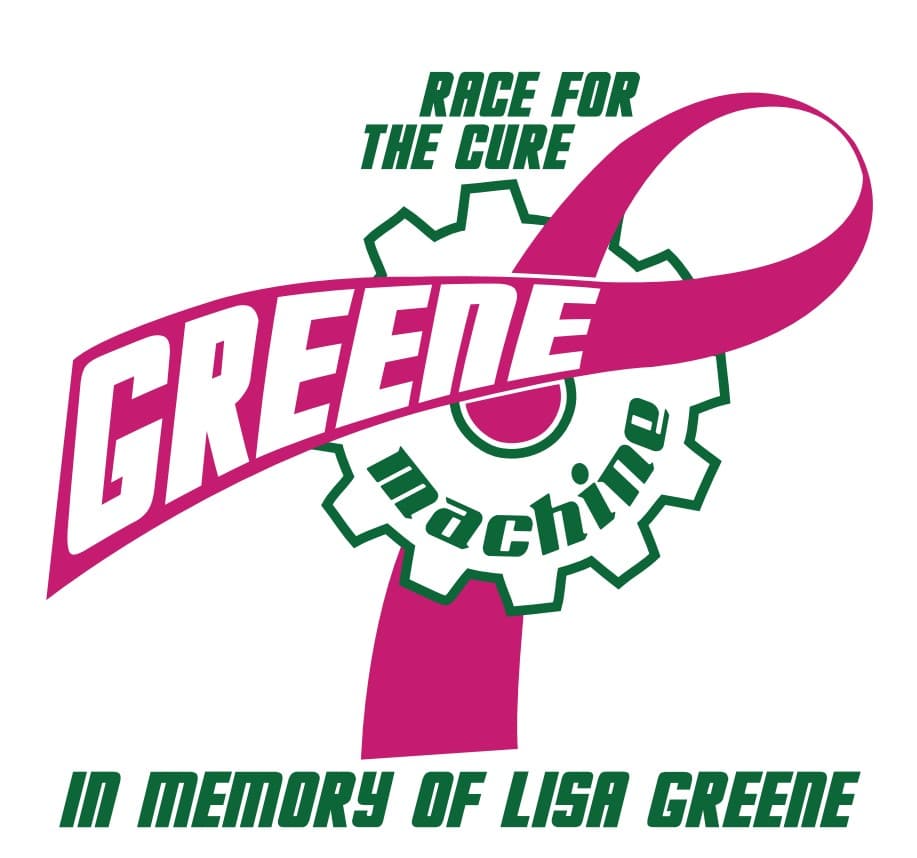
Help Us Race for the Cure in Memory of Lisa Greene!

Help us celebrate the life and memory of our late friend and teammate, Lisa Greene. Although we lost Lisa in 2015, The Advance Group formed “Team Greene Machine” and has participated in the Race for the Cure annually to honor her and the many other lives’ that are impacted by breast cancer. Please consider donating or joining our team this September!

Join the team and participate in the Race for the Cure on Sunday, September 25th! The fun starts at 7:30am and the Run/Walk starts at 8am and the Family Fun Walk at 9am. Join the team here!

FUN starts at 7:30am ***CALL ADVANCE FOR DETAILS ON MEETING LOCATION!

Mimosas-Light Breakfast-5k Run-5k Walk-Family Fun Walk

Friends, family, and coworkers welcome!

Can’t make it but want to donate to the cause? Donate Here!  –Be sure to share both links to raise awareness for the event!

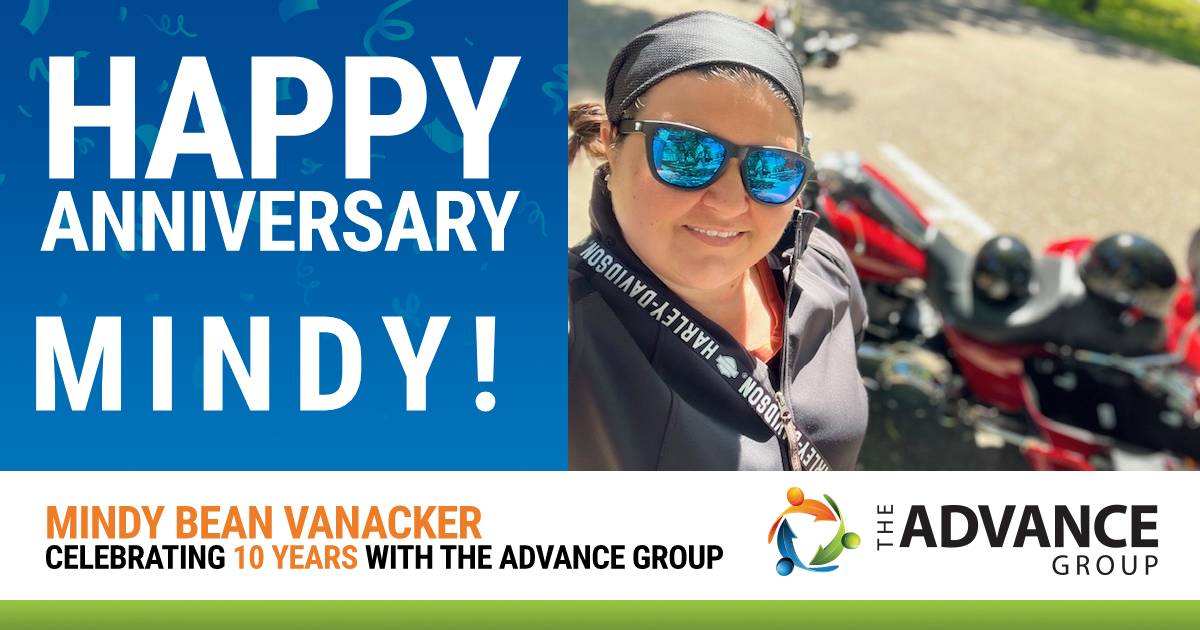
HAPPY 10TH ANNIVERSARY, MINDY BEAN VANACKER!

To celebrate Mindy Bean VanAcker’s 10th year with The Advance Group, we sat down with her for a Q & A session. Here are a few highlights to enjoy:

Q: What’s your favorite holiday?

A: Christmas – love spending time with family and all the decorations!

Q: What’s your favorite song? 

A: Hotel California, Eagles

Q: What is on your bucket list? 

A: Traveling – Really want to see Italy and Greece!

Mindy is a Branch Manager at our Michigan branch. Happy Anniversary, Mindy!

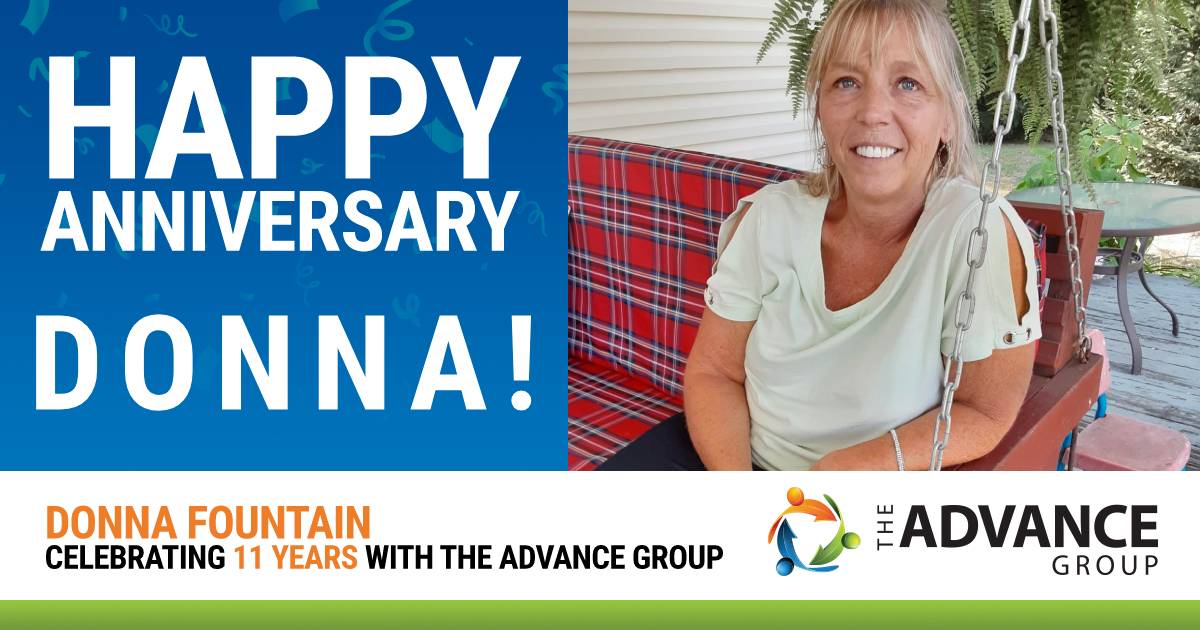
HAPPY 11TH ANNIVERSARY, DONNA FOUNTAIN!

To celebrate Donna Fountain’s 11th year with The Advance Group, we sat down with her for a Q & A session. Here are a few highlights to enjoy:

Q:What quote do you live by?

A: “Just Be”, Live in the Moment

Q: What do you like to do in your spare time? 

A: Spending time with family & friends, Concerts/Music, and Shopping

Q: What advice would you give your younger self?

A: Save money, and use Sunscreen

Donna is a Staffing Specialist at our Southgate branch. Happy Anniversary, Donna!

Hate Your New Job? Here’s What to Do Next!

Starting a new job is exciting. You’re usually optimistic about what the future holds, especially if the role seemed like a great fit during the hiring process. That’s why it can be incredibly disappointing if it wasn’t what you envisioned, particularly to the point where leaving seems like your best bet.

While there are steps you can take to potentially turn a bad job into a better one, specific issues are hard to correct. For example, if the culture is toxic or the position was significantly misrepresented, heading for the door may be the better choice. If that’s the case, here’s what you need to do to move on to something new.

Keep Performing to the Highest Standard

When you hate your new job, it’s disheartening. As a result, you may struggle to remain motivated to exceed expectations while in the role. However, maintaining the highest possible standard is essential for several reasons.

First, you may need to use this company as a reference, and a poor performance would make that difficult. Second, failing to meet expectations can lead to a termination, which can hinder your next job search. Finally, many managers have strong networks, and word that you didn’t meet expectations could spread even if you don’t formally list them as a reference.

Make sure you keep up with your responsibilities and ensure the quality remains high. That ensures you make the best possible impression while you’re there.

Identify the Issues That Make the Job a Poor Fit

While a bad job is frustrating, it’s also a learning opportunity. You can learn a lot about what you don’t want in a role or employer, and that’s information that can benefit your next job search.

Consider what aspects of the job aren’t a great fit. Is it the duties and responsibilities? Are there issues with the culture? Is the environment a problem? By asking those questions, you can drill down to the core issues, giving you valuable information that can help you land a right-fit role later.

Prepare for Your Upcoming Job Search

Since you’re in a new role, you likely completed a job search relatively recently. However, that doesn’t mean you shouldn’t prepare for your next one before you hop back into the market.

First, spend time updating your resume and LinkedIn profile, ensuring this new role is represented. Review common interview questions to ensure you’re comfortable with the answer. Also, make sure you’re ready to discuss why you’re leaving the job so quickly.

With the latter point, your best bet is typically to discuss a misalignment. For example, if the job was misrepresented or isn’t a match for your skills, you could discuss how it ultimately isn’t the best fit for your career and express enthusiasm about finding a better match.

With a bit of preparation, you’ll increase your odds of job search success. Plus, it can help streamline your efforts, making your job search easier to manage.

Partner with The Advance Group to Find a Right-Fit Position

Even if you hate your new position, the idea of launching another job search so quickly may not be appealing. Fortunately, you can get support to make the process easier, all while ensuring the fastest possible results.

By partnering with The Advance Group, you’ll have a skilled recruiter by your side that can help you find a right-fit job quickly. They’ll learn about your skills and experience to find potential matches. Additionally, they’ll factor in your needs and preferences, ensuring the culture is a solid fit, too.

If you’re ready to streamline your next job search and secure a new opportunity, the team at The Advance Group wants to hear from you. Contact us today.

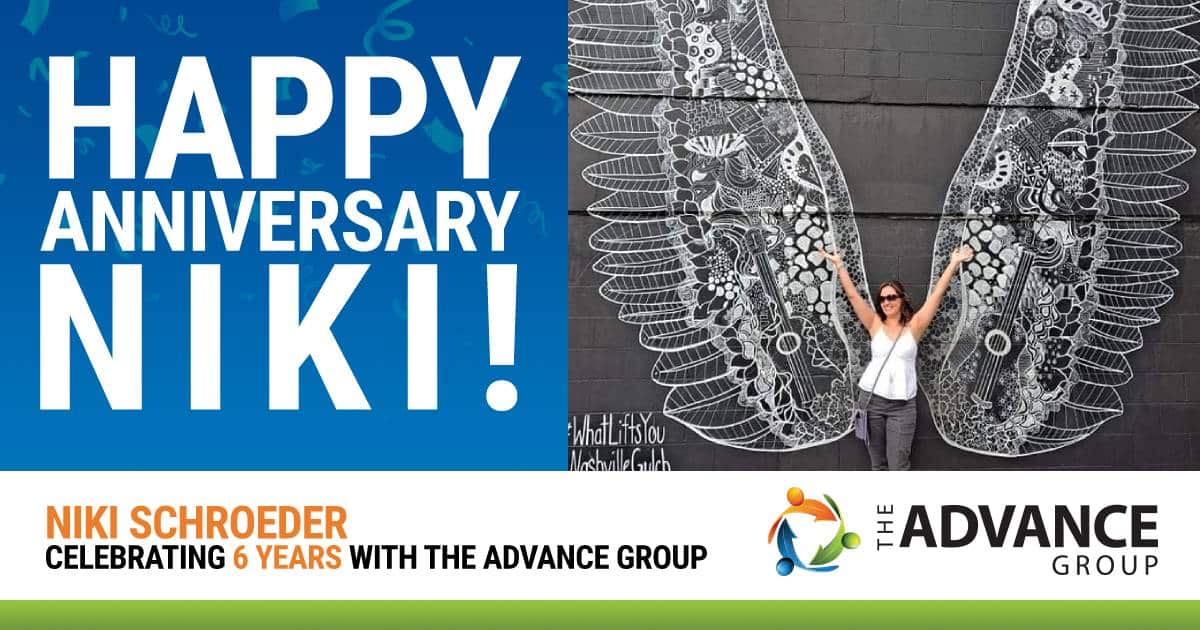
HAPPY 6TH ANNIVERSARY, NIKI SCHROEDER!

To celebrate Niki Schroder’s 6th year with The Advance Group, we sat down with her for a Q & A session. Here are a few highlights to enjoy:

Q: What brings you the greatest joy?

A: Traveling and experiencing new places/cultures.

Q: What is on your bucket list?

A: Seeing more of Italy and going to Greece and Australia.

Q:What would you like remembered about you?

A: That I always gave 100% and with all my heart. Whether that was in helping someone, completing a job/task, or giving some sass.

Q: What advice would you give your younger self?

A: Travel more!

Niki is a Corporate Hiring and Risk Specialist in our Corporate office.  Happy Anniversary, Niki!

Why Potential Matters More Than Experience When Hiring

When a company hires, it’s common to assume that experience is the most valuable attribute a candidate can offer. It indicates a potential familiarity with the tasks associated with the role, which makes many hiring managers believe those candidates are the best option.

However, experience alone isn’t a surefire way to guarantee success. Many professionals with long tenures in their field may be set in their ways. As a result, they’ll struggle to adapt to the nuances of your workplace. Additionally, some may feel that they are fully informed regarding their fields, causing them to resist further training.

That’s why hiring for potential is often a better choice than focusing on experience. By going that route instead, you create unique opportunities that may not exist with an experienced candidate. If you’re wondering why, here’s a look at why potential matters more than experience when hiring.

You Can’t Teach Enthusiasm or a Willingness to Learn

In many cases, enthusiasm and a willingness to learn aren’t something you can teach. Even if an experienced candidate has all of the right skills, a poor attitude about skill development or learning new processes can prevent them from living up to your expectations.

When a candidate is passionate about learning and growth, that enthusiasm helps them excel. They’re driven to become the best employee possible, causing them to embrace learning opportunities at every turn.

Hard Skills Are Teachable, Making Them Solid Targets for Training

One of the main appeals of hiring a candidate with experience is that they typically possess hard skills that align with the position. However, unlike enthusiasm and a willingness to learn, hard skills are ultimately teachable.

When you have a passionate candidate that’s hungry to learn more about their profession, they’ll jump at opportunities to acquire new skills. As a result, they may pick up the intricacies of their job faster than a less willing candidate that has experience, causing them to outperform job seekers who initially seem more qualified once they get their footing.

There Are No Bad Habits to Break

With an experienced candidate, they typically approach tasks a particular way, often following processes used by past employers. In some cases, this can be problematic when they start a new job. Their habits may not align with your company’s preferences. If they’re also resistant to learning or insistent that their way is best – even though it doesn’t match what your company needs – the learning curve may be steep, or they might not grow to meet your needs.

Lesser experienced candidates with potential won’t have bad habits that need breaking. Instead, they’ll work to learn your processes, allowing you to effective mold them into the perfect employee. That leads to better long-term results and may even allow them to reach full productivity faster than their experienced counterparts.

Ultimately, hiring for potential over experience is often the better choice. If you want to find candidates that are brimming with potential, the team at The Advance Group wants to hear from you. Contact us to learn more about our recruitment services today.

Is That New Job Offer Too Good to Be True…?

Receiving a job offer is exciting, particularly if the position seems like a perfect fit. However, not all companies are forthright during the hiring process. Some may omit details about the role that they believe you’ll find unattractive. Others may offer high salaries to disguise issues, such as a toxic environment that drives employees away.

Verbal promises that the company refuses to put in writing is another sign of potential trouble. The same goes for a hiring manager that’s overeager about getting you to commit or having you start immediately.

However, even if there are red flags, some candidates may feel like not moving forward isn’t a viable option. If that happens, some may find themselves suddenly working in a new job that isn’t what they believed it would be, and many are too fearful to leave. Worries about seeming like a job hopper or becoming unemployed might make heading for the door seem impossible. However, you do have options.

If you landed a new job that isn’t what you were promised, here’s what you need to do.

Consider Whether You Want to Stay at All

While the idea of leaving might be difficult to swallow, there are instances where that should be your primary plan. For example, if the workplace is toxic, even a change in duties won’t solve that issue. Consider whether there’s anything worth saving and if the answer is “no,” then it’s better to start planning your exit.

However, in some cases, staying with this employer might seem like a viable option. If the culture is amazing, the compensation is reasonable, and the environment meets your needs, you might not want to head for the door just yet. If so, use the tips below to see if the job is salvageable.

Sit Down with Your Manager

If there is something potentially worth saving, you’ll need to have a conversation with your manager about your job. While the idea of discussing your dissatisfaction not long after being hired is daunting, it’s worth doing. Schedule a meeting with your manager to talk about the position. Then, before that time arrives, gather evidence regarding what you were promised and combine that with samples of your current assigned tasks.

When you present the issue, don’t be accusatory. Instead, simply describe the misalignment, highlighting how what was agreed upon doesn’t match your responsibilities. Once you do, you can ask what steps can be taken to create the needed alignment. If your manager is agreeable and open to making changes, you may be able to turn this into the ideal job. If not, then you’ll need to decide if staying or leaving is in your best interest.

Prepare to Explain Why You’re Leaving the Position

When the job was misrepresented to the point where leaving seems like the best option, you’ll need to address your short tenure when you start interviewing for new roles. While this may seem daunting, being honest about what occurred can work in your favor.

Let hiring managers know that the job didn’t match up to what was advertised or what was presented during the hiring process. As a result, it isn’t the best fit for your career, so you’re seeking out new opportunities that align with your capabilities, preferences, and goals.

Usually, a simple explanation similar to what’s outlined above is enough to give the hiring manager a clear picture. Plus, it doesn’t require you to badmouth the role or company specifically, ensuring you come across as professional.

Find a New Job Fast with The Advance Group

If you landed a new job that wasn’t what you expected, The Advance Group can help you find an opportunity that will get your career moving in the right direction. Our team of recruiters knows the ins and outs of the local market and has strong connections with leading employers. Along with ensuring your next position aligns with your skills, we can make sure the culture is the right fit, too.

If you’re ready for a new position, the staff at The Advance Group wants to hear from you. Contact us today.

4 Tips for Hiring Equity in Ohio

Creating an equitable hiring process is essential for Ohio companies. Along with supporting diversity and inclusion, it will increase the size of your talent pool. Often, that can make recruitment easier to manage, all while boosting your company’s reputation as a fair employer.

While updating your process to ensure hiring equity may seem challenging, it’s often far simpler than you’d expect. If you aren’t sure where to begin, here are four tips for hiring equity in Ohio.

1. Examine Your Hiring Data

Before you make changes to your hiring process, it’s wise to see how the company is performing when it comes to diversity, inclusion, and equity in recruitment. Examine your data to see if you’re attracting diverse candidates. Next, see whether they’re getting screened out and, if so, what the motivations were behind those decisions.

Then, you can start identifying potential problem areas. Once you do, you can seize opportunities to eliminate bias or offer better support, ensuring your hiring process is equitable.

2. Update Your Job Descriptions

Various aspects of your job descriptions can impact how your company is perceived. Using gendered language might make one gender feel unwelcome and insensitive terms like “ninja” or “guru” may cause some candidates to shy away from your opportunities.

Additionally, lengthy lists of must-have skills can cause some candidates to screen themselves out, even if they could perform well in the role. Similarly, having unnecessary educational requirements – such as making a college degree mandatory if there are no licensing or compliance reasons to justify the request – can make your process inequitable.

Review your job descriptions to see if any of the language needs updating, choosing neutral terms as you make changes. Also, limit your must-haves to only the essentials. That allows you to appeal to the widest range of candidates.

3. Incorporate Consistency

Hiring processes are typically more equitable when the candidate experience is consistent. Seize opportunities to provide that consistency. For example, make sure that interview questions are set in advance, guaranteeing every job seeker is asked to answer the same ones. Use a scoring rubric to assess candidate potential, too, as that can prevent unconscious bias from skewing hiring decisions.

4. Broaden Your Recruitment Efforts

For companies looking to cultivate a diverse workforce and create an equitable process, broadening your recruitment efforts is essential. Not all candidates use the same resources when seeking out opportunities. As a result, sticking with the same options won’t improve your results.

Instead, branch out into new arenas. Try niche job boards, connect with minority professional organizations, build relationships with local colleges, and explore job advertising options on several social media platforms.

Partnering with a recruitment firm that values diversity is another excellent option. Along with ample hiring support, you can connect with a wider range of candidates, improving diversity and equity.

If you need to fill open positions and want to partner with a leading staffing firm, the staff at The Advance Group wants to hear from you. Contact us today.

10 Things All Entry-Level Job Seekers NEED to Know!

When you don’t have much experience with the hiring process, you might have questions about how to approach it. Fortunately, a few simple tips can get you on the right track. Here’s a look at ten things all entry-level job seekers need to know.

1. Do Your Research

Research is your friend when you’re conducting a job search. Dig into the job description to learn more about what the company wants. Review the organization’s website to learn about its products, services, mission, and values. Check out its social media pages for insights into its culture. That allows you to work targeted details into your resume and interview answers, making you seem like a stronger match.

2. Be Professional, But Not Overly Formal

While you certainly want to come across as professional, too much formality can work against you. It’s okay (and even recommended) to let your personality shine through, so make sure it does when appropriate.

3. Avoid Winding Stories

Whether you’re writing your resume, creating a cover letter, or answering interview questions, brevity is your ally. Give enough details to highlight your capabilities without telling winding stories. That allows the main points to shine through with greater ease.

4. Have a Strong Employee Value Proposition

When you discuss your capabilities, you want to focus on showcasing a strong employee value proposition. Tell the hiring manager precisely how you’ll benefit the company, ensuring they see how your skills will elevate the team, boost productivity, and support profitability.

5. Don’t Skip the Cover Letter

Unless the job ad explicitly says not to send a cover letter, it’s best to submit one with your resume. It’s a chance to highlight the best of what you bring to the table. Plus, you can position yourself as a passionate candidate, which can set you apart.

6. Dress the Part

Having the right attire is essential during an interview. While you don’t necessarily need a suit, choosing an outfit that’s appropriate for the workplace and industry is a must. At a minimum, aim for business casual even if the workplace is very relaxed. For formal workplaces, go further, opting for a suit or something similar.

7. Avoid Cliches and Buzzwords

Clichés and buzzwords aren’t usually well-received by hiring managers. They won’t help you stand out from other candidates either, so it’s better to avoid them during the hiring process.

8. Be Honest

Exaggerating your capabilities, lying about credentials, and otherwise being dishonest on your application or during an interview usually comes back to bite you. If the hiring manager notices the inaccurate information, it usually means being removed from contention. If you’re hired, and it’s discovered later, termination is a possibility. Since that’s the case, it’s always best to be honest about what you bring to the table.

9. Portray Confidence

Confidence can get you far when you’re interviewing for a job. Practice your interview answers to make sure you can deliver them seamlessly. Make eye contact, have a firm handshake, and smile regularly. By doing that, you can come across as a more confident candidate.

10. Always Say Thank You

Expressing your appreciation throughout the hiring process makes you seem like a polite, professional candidate. Show your gratitude at the beginning and end of every interview, send thank you notes, and otherwise make sure that the hiring manager knows that you value their consideration.

Ultimately, the tips above can help you make a great first impression during the hiring process, increasing your odds of securing an offer. If you’d like to learn more or are seeking out new entry-level opportunities, the team at The Advance Group wants to hear from you. Contact us today.

10 Things All Entry-Level Job Seekers NEED to Know!