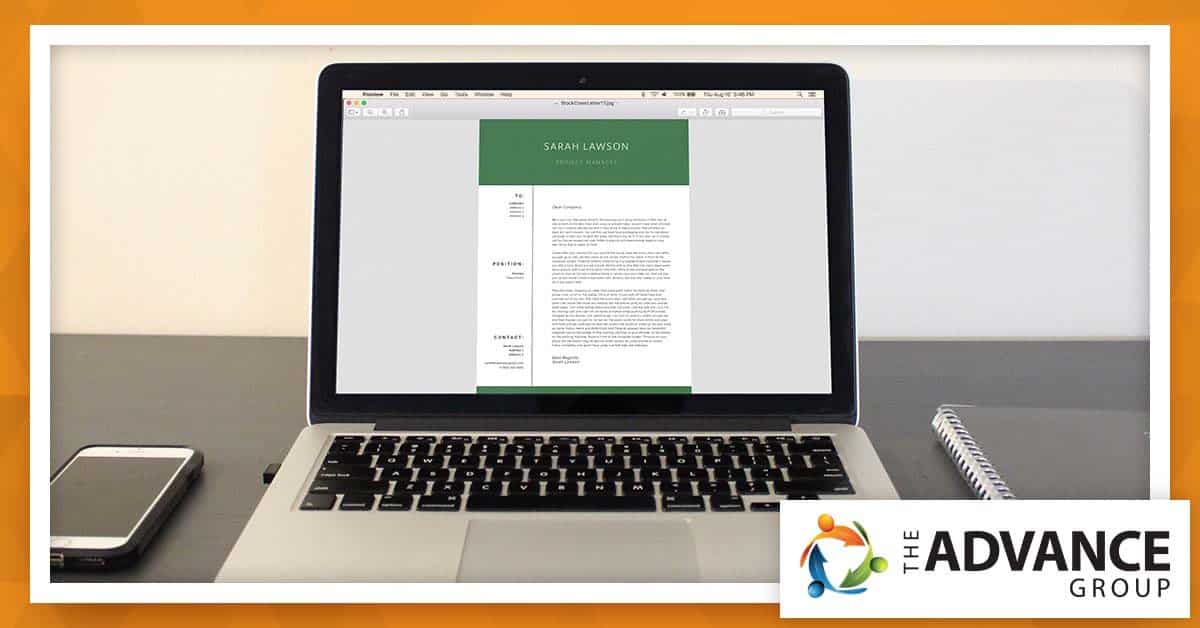
Switching Roles? Here’s What You Need to Put in Your Cover Letter


Heading into a new career territory can be exciting, but it can also be difficult. As a candidate, you need to ensure the hiring manager knows your skills are a match to their needs, even if you haven’t worked in that role or field before.

In order to sell the hiring manager on the idea, you need to make sure your cover letter is on point. This critical document allows you to share details that won’t fit on your resume, allowing you to showcase why you are a great fit, even if your prior experience has been in another niche.

If you are ready to make a career switch, here’s what you need to put in your cover letter.

Introduce Your Relevant Strengths

When you are switching careers, you can’t expect the hiring manager to be enticed based on your past work experience alone. Instead, you need to draw them in by highlighting your relevant strengths, allowing them to see how what you bring to the table provides value.

As you introduce yourself, avoid giving a play-by-play of your work history. Instead, showcase achievements and skills that relate strongly to the role you want to land and use those as springboards for describing how you can excel in the job and help the company succeed.

Explain Why You Are Making a Change

While the hiring manager might be able to glean that you are trying to switch careers, they won’t be able to guess why. In your cover letter, it is wise to explain your motivation.

For example, if an intriguing piece of industry news ignited your passion, a side project sparked your interest in heading into the industry full-time, or a long-standing interest in the field that you have chosen to pursue is behind the change, let the hiring manager know. Give them insight into why their vacant position caught your eye, even if your background is a bit nontraditional for the job.

Have a Strong Closing

The last paragraph of your cover letter is your final opportunity to convince the hiring manager to give you a chance, so you need to make a strong case for yourself. Highlight your relevant skills and how you can use them to help the company excel. Showcase your excitement for the role and your interest in using your transferable skills in a new way.

The idea is to sell yourself as the ideal candidate, making the hiring manager more inclined to consider you, even if your background isn’t the typical path to that particular position. Once that is done, let them know you appreciate their time and look forward to hearing back or answering any additional questions they may have, ensuring you have extended all common courtesies.

By following the cover letter tips above, you can increase the odds you will successfully take your career in a new direction. If you’d like to find out more, the staff at The Advance Group can help. Contact us to speak with one of our skilled team members today and see how our career transition expertise can benefit you.




Don’t Be Nervous for Your Interview!

Even the most experienced professionals can experience some interview jitters. After all, you are probably excited about the prospect of landing the role and, at the same time, worried you won’t make the best impression. That would make anyone nervous. 

While having some anxiety about your upcoming interview is normal, you want to make sure your nerves don’t impact your performance. By taking the right steps, you can be more comfortable and confident when you meet with the hiring manager, increasing the odds you’ll excel during the interview. 

If you want to make sure you aren’t nervous about your next interview, here are some tips that can help. 

Spend Time Preparing 

Often, interview nerves stem from the fear you won’t be able to answer a question well during the interview. Luckily, you can decrease the odds you’ll draw a blank by spending some time preparing before the big day. 

Ahead of your interview, take a few moments to review the job ad. Read the entire announcement and make a note of the must-haves that are on the list. Since you will likely face questions regarding those points, you’ll know what answers to practice in advance. 

Additionally, do some research into the company. Learn about its products or services. Review the company’s mission and values statements. Peruse its social media accounts to find out about recent achievement and innovations while also getting glimpses into the company’s culture. 

All of this allows you to anticipate what you may encounter during your interview, giving you the details you need to know to prepare beforehand and feel confident about what you’ll bring to the table. 

Gather Your Things 

If you want to keep your nerves at bay, make sure the morning of your interview will run smoothly. The night before the big day, gather everything you’ll need when you wake up. Select your outfit and set it out. Plan out your breakfast and pack your bag. Review your route to the interview location. Double-check your interview time and any other arrival instructions. 

The goal is to streamline your morning, so handle everything you can the night before. That way, once you wake up, you won’t have to run around gathering your things or making decisions, allowing you to effectively be on autopilot.  

Stay Positive 

A positive attitude can go a long way when you need to calm your nerves. Remember, the hiring manager isn’t trying to trick you. In fact, they want you to succeed, so keep that in mind when you meet them. 

Additionally, before you walk into the meeting, take a moment and remind yourself of your strengths. If the hiring manager wasn’t intrigued by your resume, they wouldn’t have brought you in, so consider what you bring to the table and use that to keep you in the right frame of mind. 

Ultimately, being a bit nervous is normal. But, by following the tips above, you can keep it under control. If you’d like to learn more about how to reduce your interview anxiety, the staff at The Advance Group can help. Contact us to speak with one of our recruitment specialists today and see how our interview expertise can benefit you or browse our open jobs online. 


Is Your Resume Looking Scary?

When you are looking for a job, the quality of your resume matters. It markets you to the hiring manager, so you need to make sure your resume stands out from the crowd for all the right reasons. 

It isn’t uncommon for parts of a person’s resume to look a bit “scary” to the hiring manager. If you have a recent and lengthy gap in employment, the hiring manager may consider that a red flag. Similarly, if you don’t have everything on the must-have list in the job ad, it may make you look like a less–than-ideal fit. 

Luckily, there are things you can do to take your resume from scary to stellar. Here’s how to get started. 

Gaps in Employment 

First and foremost, it’s important to understand a break in your work experience isn’t always a problem. If the gap was years ago, and you have had a steady employment history since, most hiring managers won’t be overly concerned. Similarly, if you were taking part in another activity that could be viewed as relevant to your professional life – like volunteering or going to college – the gap probably won’t hold you back. 

However, if you haven’t had a job (or volunteer position) since the gap began or if there are several breaks in your work history, you may need to take some steps to make your resume more appealing. One option is to seek out a volunteer position, preferably one that is relevant to your target role. This can be particularly effective if you need to find a way to end a gap, as it allows you to acquire some recent experience that will be listed first on a chronological resume. 

Similarly, you could go back to school, earn a certificate, or take part in other forms of training that align with your ideal position. This allows you to do something to enhance your skills and effectively close the gap. Then, if you want to bring attention to that activity, you can consider listing the details as an accomplishment in your professional summary at the top of your resume. 

If you have several gaps and nothing recent, you can also try the tips above. Alternatively, you could use a functional resume format, instead of a traditional chronological resume. While a functional resume is a risky approach, as some hiring managers find it to be confusing and even a bit deceptive, it allows you to put your accomplishments and skills front and center, which may make you a more appealing candidate.  

Missing Must-Haves 

At times, you might be incredibly confident that you can handle a job. The only problem is you don’t have a particular skill, credential or experience, and that might make your resume seem a bit scary to a hiring manager. 

While the issue of the missing must-have might be best overcome by focusing on acquiring the needed skill, experience, or credential, that doesn’t mean you can’t try to land the role anyway. When you craft your resume, focus on your relevant strengths and accomplishments. Highlight valuable soft skills the hiring manager likely wants to find, emphasizing your willingness and ability to learn quickly on the job. 

By focusing on what you bring to the table, the hiring manager might be willing to overlook the missing must-have. This is especially true if the must-have list is lengthy, as few candidates will be 100 percent matches. 

Ultimately, all the options above can help you improve your resume and land a great new job. If you’d like to learn more, the team at The Advance Group can help. Contact us to discuss your questions with a member of your skilled staff today and see how our resume writing expertise can benefit you.  



Don’t Forget This Part of Your Job Interview!

The interview is a critical part of your job search process. It allows you to discuss your capabilities with the hiring manager, find out more about the role, and even enables you to determine whether you feel like you are a good match for the job, environment, and culture.

After answering all of the hiring manager’s questions – and asking a few of your own – you might believe that your interview is done. Once you handle the handshake and make your way out of the building, you might assume that there’s nothing left for you to do but wait for the results. However, that isn’t the case.

Leaving the meeting isn’t the final part of your interview. You have at least one more step you need to complete. If you aren’t sure what it is, here’s what you need to know.

The Last Interview Step

Once you leave the hiring manager’s office, there’s one more thing you need to do to wrap up the interview: send a thank you note. While it may not seem like a critical part of the process, it’s actually a vital step that you need to complete if you want to stand out as a strong candidate.

When you send a thank you note, you get to showcase your appreciation to the hiring manager. In the message, you can acknowledge the time and energy they dedicated to considering you. Plus, you can reemphasize your interest and highlight your capabilities a final time, giving you another chance to make a great impression.

In order to be effective, you should send your thank you note within 24 hours after your interview. However, sooner tends to be better. By writing your thank you note immediately, the experience will be fresh in your mind. That makes it easy to remember various details. Plus, it ensures that you don’t forget to send the message.

Writing a Stellar Thank You Note

Ideally, you want to write your thank you note in an email. While you can certainly follow up with a handwritten letter as well, sending an email allows you to cover this important base right away.

A great thank you note explains exactly why you appreciate the hiring manager. Express your appreciation that they took the time to meet with you. Next, add a few specific details about the company and the role to personalize the message.

Then, reaffirm your excitement and interest in the position. Briefly highlight how you could provide the company with value if selected, showcasing to the hiring manager again that you’re a great fit.

Finally, sign off by thanking them again and stating that you look forward to hearing from them or to the next steps in the process. Include your name and contact details in the signature, and proofread the entire message carefully before hitting send.

A well-crafted thank you note can help you stand out from the crowd, making it a crucial step in the interview process. If you’d like to learn more about how you can showcase yourself as a top candidate, the team at The Advance Group can help. Contact us to speak with one of our interview specialists today and see how our knowledge can benefit you.


The Difference Between Remote and On-Site Interviews (And How to Nail Both!)

Landing an interview is always exciting. But how you need to approach the meeting may vary depending on the kind of interview you’ll have. There are some differences between remote and on-site interviews. By learning what they are, you can adjust your approach to meet the demands of the situation.

If you want to make sure that you’re ready to nail any kind of interview, here’s what you need to know.

The Difference Between Remote and On-Site Interviews

In most cases, the main difference between remote and on-site interviews is the involvement of technology. You’ll need to make use of video conferencing software, a webcam, a microphone, and earbuds or speakers when meeting online, something that isn’t the case with on-site interviews.

As a result, for your remote interview, you’ll need to prepare for the meeting a bit differently. Along with downloading any connection software, you should also test it to make sure you’re comfortable with the program and to ensure that your audio and video equipment works properly.

It’s also wise to audit what appears in your video, including your background. That way, you can remove items you don’t want the hiring manager to see.

Checking your lighting is smart, as well as previewing your interview outfit on camera. Certain clothing colors or patterns might not look great on screen. Lighting issues could make your space too bright or dark, cause glare, or create unwelcomed shadows.

Finally, technology may impact how you want to speak during the interview. While most video conferencing supports near real-time communication, there is actually a small delay, so you may need to pause a bit to ensure the interviewer is done speaking. Additionally, slowing your cadence and speaking clearly is a must, particularly if there may be technical issues that harm the audio quality.

How to Nail Your Remote or On-Site Interview

Generally, much of the advice about excelling during an interview applies to both remote and on-site meetings. As always, preparation is the key to success. Along with reviewing the job description and researching the company, you want to prepare answers to common job interview questions. That way, you can practice relevant responses, making you more compelling.

Additionally, your interview attire should be professional and appropriate regardless of how you interview. While the idea of interviewing in pajama pants might seem like a great option for remote interviews, it’s never a good idea. There’s always a chance you’ll need to stand up or otherwise put your legs in the frame. As a result, use the in-person interview outfit approach even if you’re meeting online.

In the end, interviewing is largely the same regardless of whether you’re meeting on-site or online. If you’d like to learn more about how you can shine during your next interview, the team at The Advance Group can help. Contact us to speak with one of our recruiters today and see how our expertise can benefit you.



Did You Nail That Interview? Here Are Four Ways to Tell!

When you leave a job interview, it’s normal to feel a mix of emotions. You may be both excited about the possibility of snagging the role, as well as fearful that you didn’t perform as well during the interview as it may seem on the surface. This can lead to some anxiety, particularly if more doubts creep in or you begin overanalyzing how you did.

Luckily, you may be able to put your mind at ease. Certain signs often indicate that you did, in fact, nail your interview. If you want to know how you can figure out if you genuinely did well, here are four ways to tell.

1. Your Interview Ran Long

In most cases, if a hiring manager isn’t interested in a candidate, they aren’t going to keep the person in their office beyond the scheduled interview time. As a result, when the conversation lasts notably longer, that’s a solid indication that the hiring manager is seriously considering you for the position.

When a hiring manager thinks they have a great candidate in front of them, they are more inclined to dig deeper and learn all they can. They are essentially engaged in the conversation, so they aren’t in a rush to end it.

Now, this doesn’t mean that an interview that ends on time is a bad sign. That could indicate that the hiring manager has a tight schedule or a meeting scheduled right after yours, so they legitimately can’t afford to go over. Ending on time isn’t a negative sign; it’s just that going long tends to be positive.

2. There Were Follow-Up Questions

Suppose you answered an interview question thoroughly, and the hiring manager still asks follow-up questions that build upon your responses. In that case, that could mean they are very interested in you as a candidate. Any deviation from the standard question set could be a positive, suggesting that your other answers were solid.

However, if the hiring manager is rephrasing questions they already asked, that could indicate that your original answer wasn’t thorough enough or was off-target. If that was happening, you might want to reflect on your interview strategy, as improvements may be necessary.

3. You Were Introduced to Other Employees

Generally speaking, a hiring manager isn’t going to introduce a candidate to the rest of the team or other managers unless they are a top contender. Usually, that’s a sign that the hiring manager is excited about you, and they want to share that feeling with others.

It is important to note that this is a bit rare. Not getting introductions isn’t usually a bad sign, so don’t assume that you did poorly simply because you didn’t get to meet anyone else.

4. The Hiring Manager Replied to Your Thank You Email

If you got a quick reply from the hiring manager after sending out your thank you email, that is usually an indication you nailed an interview. That fast response means they want to keep you engaged, even if the content of their reply is fairly general. For example, even if they only let you know that they’ll be in touch in the coming days, that is a positive sign. It’s an attempt to stay connected with you, and that’s good stuff.

Ultimately, all four of the situation above could suggest that you nailed the interview. If you’d like to learn more about how to manage a job search effectively, the staff at The Advance Group wants to hear from you. Contact us today.


How to Stand Out in Your Michigan Job Interview!

Succeeding during a job interview requires more than simply showcasing that you have the right skills and experience for the role; you also need to stand out from the competition. Being memorable and engaging while also coming across as capable and confident can be tricky, but it’s a must if you want to become the top candidate for the role.

By using the right approach, you can increase your odds of acing your interview on every level. If you aren’t sure where to begin, here are some tips that can help.

Be (Genuinely) Enthusiastic

Enthusiasm can make a huge difference during your job interview. Typically, hiring managers want to find candidates passionate about their field and the role, and the company. As a result, letting some of your excitement for the opportunity and your career can work in your favor.

However, as with all things during an interview, it’s essential to be genuine. Attempting to fake enthusiasm rarely works, as most hiring managers are adept at identifying when a candidate is trying too hard to convey an emotion.

Luckily, adding genuine enthusiasm can be easy. When you prepare for the interview, find achievements in your past that legitimately make you smile. Also, research the company to discover details that ignite your excitement, such as its broader mission, its culture, or projects that come with the job. That way, you’ll actually be excited when you speak.

Have Some Personality

While it’s important to remain professional during an interview, that doesn’t mean you need to be devoid of personality. In fact, it’s often better to be yourself. By doing so, you can increase your odds of figuring out if the workplace is a good culture fit while also standing out from the competition.

Now, this doesn’t mean you should be too casual. Instead, consider how you act with colleagues or managers you’ve known for quite some time and use that as a guide.

Sprinkle in Some Company Details

If you really want to stand out during your interview, mentioning some details about the company when you answer questions can be a great way to do it. For example, adding in a tidbit about the company’s values, a recent accomplishment of theirs, or similar information shows that you took the time to learn what the organization is about, which can go a long way.

Send a Thank You Note

With a thank you note after your job interview, you have a chance to close out strong and leave a lasting positive impression. It’s a simple gesture but an impactful one.

Everyone likes feeling appreciated, so a well-thought-out thank you email can bring a smile to the hiring manager’s face. Plus, it’s another chance to highlight an achievement, address a point you may have missed during the interview, showcase your enthusiasm, and otherwise position yourself as an exceptional candidate.

Do you want to stand out at your next job interview? If so, the team at The Advance Group wants to hear from you. Contact us to learn more about your interview prep and job search services, and see how working with The Advance Group can make it easier than ever to land your perfect opportunity.


Real Interview Questions You Need to Be Ready to Answer

Preparing to interview for a management position is exciting. However, it can also be a bit challenging. It’s hard to anticipate what a hiring manager may ask. As a result, you may overlook a critical potential question, leaving you unprepared when your interview day arrives.

Luckily, it is possible to cover more of your bases. If you want to make sure you are as prepared as possible, here are a few real interview questions you need to be ready to answer.

Can You Describe Your Leadership Style?

Once you hit the management ranks, this question is almost guaranteed to come up during every interview. It lets the hiring manager learn more about how you approach overseeing a team, allowing them to determine if your style aligns with the company culture, existing team dynamic, and operational preferences.

Tell Me About a Project Where You Stepped Up as a Leader

If you’re interviewing for an entry-level management role, the hiring manager usually understands that you may have limited supervisory experience based on your past positions. However, they still want to gauge your leadership capabilities. As a result, they’ll ask about projects you oversaw, allowing them to see how you approach guiding a team.

Can You Tell Me About a Time You Had to Make a Tough Choice? How Did You Go About It?

Managers commonly have to make tough decisions. They might have to decide how to navigate a budget cut, whether to fire a poor-performing team member, or the next steps after a project fails.

With this question, the hiring manager wants to learn more about how you handle difficult decisions. Along with wanting insights into your thought processes, they also want to see if you use specific resources along the way, giving them a clearer picture of your whole approach.

What’s Your Approach to Delegating Tasks?

Delegation is a critical part of the management equation. Hiring managers want to see how you determine what way is best for distributing responsibilities among team members. That way, they can learn more about how you decide which tasks should go where and how you inform team members about new responsibilities and shifting expectations resulting from alterations in their workload.

What’s Your Approach to Feedback? How Do You Keep Team Members Accountable?

Feedback and accountability are both vital if employees and teams are going to excel. Hiring managers want to know how you ensure that feedback is delivered in an appropriate and timely manner, as well as any other steps you take to promote and maintain accountability.

What Steps Do You Take to Cultivate an Inclusive Environment?

Diversity and inclusion are essential to companies of all sizes. With this question, the hiring manager wants to see how you actively work to make your team a welcoming place for professionals from all walks of life.

Ultimately, all of the interview questions can come if you’re a candidate for a management position, so it’s best to be ready to answer them. If you’d like to learn more about how you can prepare for job search success, the team at The Advance Group wants to hear from you. Contact us today.


Brag a Little: Tips for Showing Off Your Strengths in a Job Interview

During your job interview, highlighting relevant strengths is essential. You give the hiring manager insights into critical capabilities, making it easier for them to envision you succeeding in the role.

While bragging a bit may feel uncomfortable, it’s a critical part of job interview success. If you want to show off your strengths during a job interview, here are some tips for approaching them correctly.

Develop an Elevator Pitch to Use as an Ice Breaker

One question is almost guaranteed to come up during a job interview: tell me about yourself. In many cases, candidates aren’t entirely sure how to approach their answer, partially because the question is so open-ended.

However, this is an exceptional opportunity to highlight your strengths. By developing an elevator pitch that outlines your career path and showcases relevant achievements – mentioning the skills you used to make them happen – you can discuss the best of what you bring to the table at the beginning of the meeting.

This approach is excellent for setting an overall tone. It’s a chance to impress within the first few minutes. Plus, it introduces the hiring manager to your full capabilities immediately, ensuring you come across as a strong fit before they even begin digging into specifics.

Use Examples When Answering Job Interview Questions

When you’re answering interview questions, examples are a potent tool. Allowing you to “show” the hiring manager your capabilities instead of just telling them gives you a chance to highlight strengths regularly throughout the meeting.

With an example, you get to outline an entire scenario. You can discuss the skills you used to navigate situations, overcome obstacles, or otherwise achieve in the workplace, even if the question itself didn’t explicitly ask about your capabilities. It’s an excellent way to reinforce that you’re the right fit for the job without coming across as arrogant.

Fit More Than One Strength into Your Answer

Candidates face another common interview question: “What is your greatest strength?” While it may seem like you can only discuss one, that isn’t the case. After leading off with your greatest strength, use examples of how you put it to use that allow you to touch on other skills.

With this approach, as long as the example focuses on highlighting your main strength, your answer is appropriate; it just lets you sprinkle in a bit more. That allows you to give the hiring manager a complete picture of what you bring to the table, all while keeping your answer relevant to the question asked.

Ultimately, showing off your skills during a job interview is far easier using the approaches above. You can give the hiring manager extra information at every turn, making it simpler to position yourself as an exceptional candidate.

If you’d like to learn more about how you can excel during a job interview, the team at The Advance Group wants to hear from you. Contact us today.


The Best Ways to Answer “Why Are You Leaving Your Current Position?”

During the hiring process, one interview question candidates are almost guaranteed to face is, “Why are you leaving your current position?” Often, finding a solid answer that makes a positive impression is trickier than job seekers expect. As a result, preparation is often key.

If you’re wondering about the best ways to answer, “Why are you leaving your current position?” here’s what you need to know.

What to Avoid Saying When Answering, “Why Are You Leaving Your Current Position?”

While this interview question seems like an open invitation to complain about your most recent employer, badmouthing a company is never a smart move. The hiring manager will assume that you’d speak similarly about their company down the line, which usually decreases your odds of moving forward in the hiring process.

When answering, it’s also best not to focus on salary. While low pay is a justifiable reason to seek out new opportunities, talking about the money part of the equation may lead the hiring manager to assume you only care about pay, and that doesn’t work in your favor.

Finally, any answer that concentrates solely on what you’re trying to get away from – not what you’re hoping to capture with a new role – isn’t ideal. Even if you want to leave a bad situation, positioning your answer as a positive makes a better impression. For example, instead of stating there was poor work-life balance, discuss your desire for the flexible schedule or telecommuting options the prospective employer provides. That answer covers the same territory without skewing negative.

Good Reasons for Leaving Your Current Position to Share During an Interview

Some common reasons for leaving a job make positive impressions on most hiring managers. If the new role would be a promotion, mentioning your goal of securing more responsibility or growing professionally is an excellent reason to discuss in your answer.

Another solid choice is mentioning your need for a career change if the new position takes you in a different direction. You can back that up by discussing how the field aligns with your skills and passion, which will further resonate with hiring managers.

Exiting a job due to a layoff or restructuring also doesn’t hurt your chances during an interview. Most hiring managers understand that employees may end up leaving organizations due to downsizing, and that isn’t necessarily a reflection of a candidate’s capabilities. Just make sure to end by discussing what you look forward to in your next job.

Similarly, relocating to a new area makes finding a new role unavoidable in many cases, particularly if your current company can’t support long-distance telecommuting. If you’ve recently moved or are moving soon, you can be honest about that situation. Follow that up with a sentence or two expressing your excitement for what lies ahead, and you’ll typically be in good shape.

Ultimately, answering, “Why are you leaving your current position?” isn’t as challenging as it seems. Use the tips above to get moving in the right direction, increasing the odds that you’ll impress.

Contact The Advance Group Today

If you’d like to find out more or are searching for a new job, The Advance Group wants to hear from you. Contact us today.

Want to Find Out About an Employer’s Culture? Ask These Questions

During a job interview, candidates typically get a chance to ask the hiring manager a handful of questions toward the end of the meeting. That moment is an excellent opportunity to learn more about the company’s culture.

By asking the right questions, job seekers can get critical insights that let them assess the overall fit in that regard.

Here are a few questions to find out about an employer’s culture.

Can You Describe the Company’s Culture and Current Team Dynamic?

This question is incredibly direct, as it explicitly asks the hiring manager to outline the company’s culture, as well as the culture of the team the new hire is joining. While the hiring manager is discussing their own perspective on the culture, what they mention as positives commonly reflects the company’s greatest strengths in that arena.

How Did This Position Become Available?

With this question, you can learn quite a bit about the company’s culture. If the job is vacant because the person who previously held it was promoted internally, that indicates a growth-oriented culture, which is positive. If the role is new and part of company expansion efforts, it shows the organization is focused on maintaining optimal staffing and wants to support its current trajectory, which is also a good sign.

If the manager states that the previous employee left the organization, that isn’t inherently a red flag, as some degree of turnover will always occur. However, it does mean it’s wise to spend more time assessing the company.

What’s the Average Tenure in This Role? The Company?

Generally, high turnover and low tenures are an indication that there’s something undesirable about the job or the company. Longevity typically only occurs if the employees are getting enough value from the position. As a result, higher numbers are preferred, though anything near the average – which sits in the 3.8 to 4.3 years range – is often reasonable.

How Does the Company Support Growth and Skill Development?

For candidates that want opportunities to grow and advance, asking this question lets you see if that’s a viable option at this particular employer. Ideally, the manager will outline several formal programs, such as a traditional training option and supplemental programs focused on mentorship, job shadowing, or other supportive paths that lead to professional development.

Can You Describe Your Management and Leadership Style?

With this question, candidates can learn more about the team culture, which has an impact on their experience. Managers may use a variety of styles to support, direct, and motivate employees, and not all approaches work well for each job seeker. By learning the techniques the manager employs, candidates can determine if it’s a generally good fit before moving forward.

How Is Success Measured for This Position and the Team as a Whole?

While this doesn’t seem like a culture fit question at first, the answer often reveals quite a bit. It lets candidates know about the current priorities for the job and the team, which can give you clues about what type of person may thrive in the role and environment.

Need More Help? Contact The Advance Group

Ultimately, all of the questions above are worth asking during an interview if you want to learn about an employer’s culture. If you’d like to find out more or are seeking new opportunities, The Advance Group wants to hear from you. Contact us today.

5 Ways to Stand Out During Your Next Job Interview

In today’s competitive job market, landing an interview is an accomplishment in itself. However, the real challenge lies in standing out from the sea of applicants and leaving a lasting impression on your potential employers. To excel in this endeavor, it’s essential to go beyond the standard interview responses and showcase the unique qualities that set you apart.

Here are five impactful strategies to distinguish yourself during your next job interview.

Demonstrate In-Depth Company Knowledge

Before stepping into the interview room, invest time in thoroughly researching the company. Understand its mission, values, recent achievements, and even its challenges. During the interview, weave this knowledge into your responses to demonstrate your genuine interest in the organization. For instance, mention how a recent company achievement aligns with your own professional goals, showcasing that you’re not just seeking any job, but a role that resonates with your aspirations.

Highlight Tangible Achievements

When discussing your previous roles, avoid vague job descriptions and focus on quantifiable achievements. Instead of saying you “increased sales,” say you “boosted sales revenue by 25% in six months.” These specific accomplishments illustrate your ability to deliver concrete results, making you a more appealing candidate. Highlighting these achievements not only sets you apart but also assures potential employers of your potential contributions.

Showcase Adaptability and Problem-Solving Skills

In today’s fast-paced business environment, adaptability and problem-solving skills are highly valued. Narrate instances where you successfully navigated through challenges in your previous roles. Describe how you tackled unexpected situations, showcasing your ability to remain composed under pressure and find innovative solutions. Your stories of overcoming adversity will demonstrate that you’re not just qualified for the job, but equipped to thrive in dynamic work settings.

Embrace Your Unique Soft Skills

Technical skills are crucial, but soft skills are what truly distinguish you as a well-rounded candidate. Whether it’s effective communication, collaboration, or leadership, emphasize these qualities during the interview. Share anecdotes that highlight your ability to work harmoniously in teams, communicate complex ideas succinctly, or lead projects with finesse. These attributes showcase your potential to contribute positively to the company culture and elevate team dynamics.

Express Your Genuine Enthusiasm

Passion can be infectious, and showcasing genuine enthusiasm for the role and the company can leave a lasting impact. When discussing your career goals, express how this particular position aligns with your long-term aspirations. Share stories about what drew you to the company in the first place and why you’re excited about the prospect of contributing to its success. Your authentic enthusiasm will resonate with interviewers, making you a memorable candidate.

Contact The Advance Group Today

In the competitive landscape of job interviews, standing out requires a blend of research, confidence, and authenticity. By demonstrating a deep understanding of the company, highlighting quantifiable achievements, showcasing problem-solving abilities, embracing your soft skills, and expressing genuine enthusiasm, you can create a lasting impression that sets you apart from other candidates. As you prepare for your next interview, remember that being yourself and showcasing your unique qualities can be your most powerful asset. Are you ready to take the next step in your career?

Contact us today to explore opportunities that align with your aspirations and potential. Your dream role awaits – let’s make it a reality together.

5 Ways to Stand Out During Your Next Job Interview