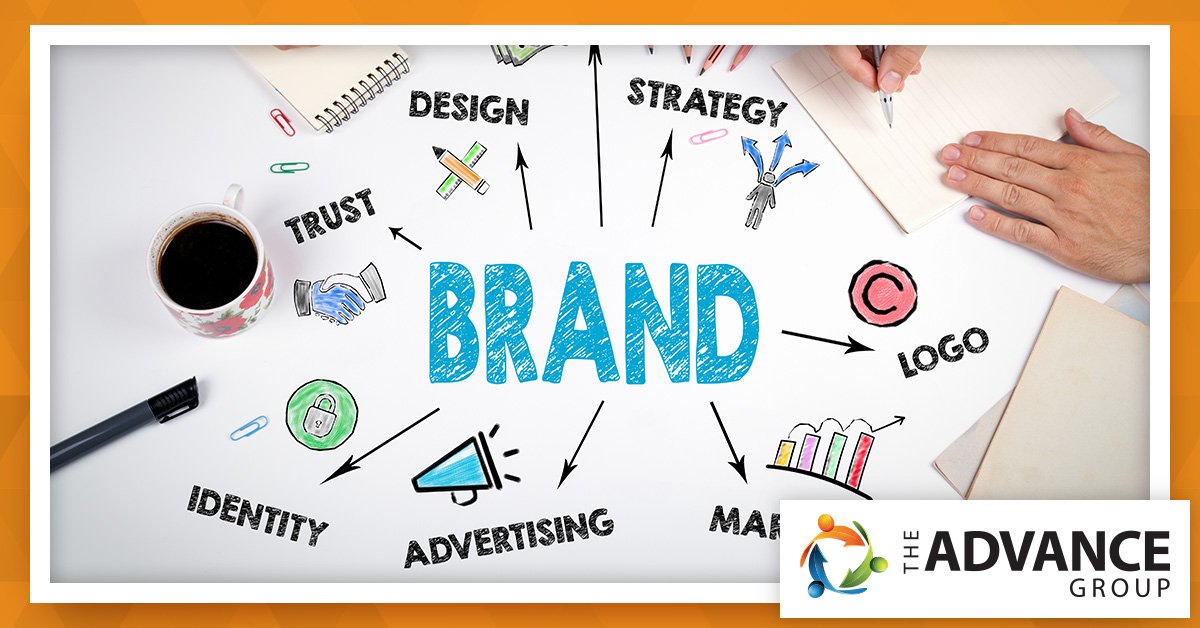
How to Turn Employees into Brand Ambassadors


Most companies recognize their employees are their greatest resource. Not only do they ensure daily operations run smoothly, they can also be some of your company’s most effective champions.

Having your staff act as brand ambassadors can do wonders in the area of recruitment. Job seekers often look for information shared by workers to learn about a company’s culture, something that has become increasingly important to highly skilled professionals.

If your employees aren’t serving as brand ambassadors, here is how you can encourage them to step into that role.

Seek Out Referrals

Most employees have robust networks and interact with other skilled professionals on a regular basis. When you request referrals to help fill vacant positions, you can tap into these networks, giving you access to potential candidates who might not otherwise apply.

For example, passive job seekers aren’t typically scanning job boards daily. Instead, they are keeping their eyes open for particularly enticing opportunities. When they hear about a vacant position from someone they know and trust, they might be more open to taking the leap.

Additionally, this approach gets your employees talking about your company, particularly if they love where they work and want others to have a chance to enjoy what they’ve found. If you’ve built a strong culture, they’ll be happy to discuss it, getting the word out about what you have to offer.

Avoid Scripting

When you tell your employees what to say, you’re almost guaranteed to encounter some level of resistance. Usually, the wording you choose isn’t what they would naturally select, so your workers may fear their efforts will seem artificial and salesy.

If you want them to function as brand ambassadors, encourage them to discuss your company in a way that feels natural. Don’t try to force the use of specific taglines, descriptions or phrases. Instead, let them extol your virtues from their perspective. Generally, this will result in more honest communications, making it more likely that, when they sing your praises, people will feel it is genuine.

Don’t Overlook Swag

When a company has a great product and treats their employees well, many employees would proudly wear branded t-shirts, use coffee mugs emblazoned with the company’s logo, or bring swag items into their daily rotation.

Often, swag doesn’t have to be expensive to be effective. However, it needs to be of reasonable quality, generally attractive, and useful. When those points come together, you may discover your workers are happy to don their swag items in public, increasing brand awareness in unexpected places. Plus, it can function as a reward for a job well done, especially if the items are well made and handy.

Ultimately, turning your employees into brand ambassadors doesn’t have to be challenging as long as you give them the proper tools and the necessary amount of flexibility to personalize their approach.

If you are interested in learning more or are looking to expand your workforce, the professionals at The Advance Group can help. Contact us to speak with one of our knowledgeable staff members today and see how our expertise can benefit you.




5 Easy Ways to Recruit More Qualified Workers


When you need to fill a vacant position, you must find the most qualified worker in the shortest time possible. Regretfully, this is often easier said than done.

But, there are things you can do to recruit a higher-quality candidate. Here are five easy ways you can get started.

1. Connect With Colleges and Universities

Area colleges and universities can be an excellent source of talent. New or upcoming graduates are often looking to find job opportunities, and they typically have some of the latest and most desirable skills, particularly for entry-level roles.

Making the connection is easy. Typically, you can contact the school’s placement office for additional information, or sign up to be a company at a job fair.

2. Request Referrals From Employees

Your current staff is also an outstanding resource when you need to find top talent, especially in niche areas. Most professionals have robust networks, which usually includes people who are in a similar field.

If you’re having trouble filling a vacancy, ask your staff for referrals. They may know the ideal candidate, allowing you to benefit from their connection to top talent.

You can even go a step further and create a formal referral program, making it part of your operational standard. This can be ideal if you want to craft a strong pipeline of talent, especially if you don’t limit incoming referrals to only people who may qualify for a current job opening.

3. Reach Out to Professional Organizations

Another great tactic when you need to hire a professional in a specific niche is to contact local chapters of professional organizations that focus on your specific profession or industry. Often, highly skilled workers join these groups to help them network with like-minded members of their community, so you may be able to locate passive job seekers who could be interested in making a switch.

4. Search LinkedIn

Sometimes, instead of waiting for the best and brightest individuals to apply, it’s better to seek them out. Consider jumping onto LinkedIn and searching for professionals who have the skills and experience you need.

This allows you to tap into a pool of passive job seekers, as they might be interested in hearing about opportunities but aren’t necessarily seeking them out on a daily basis. LinkedIn has a built-in communication system, so you can reach out right through the platform. However, if other contact information is available, such as an email address, consider using that instead.

5. Partner With a Recruitment Agency

Reputable staffing firms can be an excellent resource when you need to locate highly qualified workers, especially when you need to move quickly. A recruitment agency is often ingrained in the local community, allowing them to build strong networks and remain connected to some of the area’s most talented candidates.

If you are looking to hire more qualified workers, the professionals at The Advance Group can help. Contact us to speak with one of our recruitment specialists today and see how our hiring expertise can benefit you.


Candidates Need This From All Employers


Workplace flexibility is often touted as a benefit during the recruitment process. The idea of having a flexible schedule is incredibly enticing, drawing in top talent from around the area.

But, when the selected candidate officially joins their team as a new hire, the reality doesn’t always align with the promise. Sometimes, it turns out their options are more limited than they were lead to believe. In other cases, workplace flexibility is functionally non-existent.

Flexible work arrangements are incredibly important to candidates, particularly as more and more professionals face increasing demands in both their professional and personal lives. If you aren’t offering workplace flexibility, here’s why you need to reconsider.

More Productive Employees

One of the biggest benefits of flexible work arrangements is typically the increased level of overall productivity. Employees have the ability to handle their work and their lives in such a way as to make both easier to manage.

For example, instead of using leave to handle a doctor’s appointment, they can simply adjust their schedule. This allows them to work a full day, instead of losing time to address the other obligation, keeping productivity higher while still giving them the ability to take care of some of life’s other demands.

Attracting Top Talent

Offering workplace flexibility can be an excellent selling point when you need to locate highly skilled professionals to fill vacant positions. Generally, it’s a benefit that job seekers hope to find, so they may favor opportunities that come from companies willing to provide it.

If you are seeking in-demand skills, you need to stand out from your competitors. Providing employees with flexible work arrangements can be a great differentiator if other businesses haven’t embraced the idea.

In contrast, if you aren’t providing flexible schedules, but your competitors are, you may have trouble recruiting top talent. If they realize other companies are willing to accommodate this desirable benefit, and you don’t include that in your offering, they may forgo a position in your business for one that provides them with what they need.

Does It Have to Be Completely Flexible?

While an entirely flexible work arrangement can be desirable in the eyes of candidates, it doesn’t always make sense for every industry. Some companies choose to provide flexibility within a set of boundaries, and that can still be touted as an attractive perk.

For example, you may limit telecommuting to a specific number of days a week or require in-person attendance for weekly meetings. Alternatively, you may state that employees must complete their eight-hour shift, but give them a 12-hour window to meet the requirement, such as allowing them to work any time between 7:00 am and 7:00 pm.

If your industry requires some boundaries, attempt to give employees as much flexibility as possible and outline any restrictions clearly. That way everything is upfront and well-defined, giving candidates a clear picture of what you have to offer.

If you would like to know more or are looking for a skilled professional to join your team, the recruitment specialists at The Advance Group can help. Contact us to speak with one of our experienced staff members today and see how our expertise can benefit your company.


Top 5 Hardest Manufacturing Jobs to Fill in Northwestern Ohio (and How You Can Find Qualified Workers)


At times, finding a qualified candidate for a vacant position seems impossible. Certain roles are notoriously hard to fill; especially when demand for specific skills is high and the available talent pool seems drained.

In northwestern Ohio, five manufacturing positions are proving to be significantly more difficult to fill than others, leaving hiring managers frustrated and companies having to continue operations without their ideal level of staffing.

Luckily, there are things you can do to locate qualified candidates even in a tight labor market. To help you get started, here is a list of the hardest manufacturing jobs to fill and what you can do to secure the top talent you need to make your team strong.

Top 5 Hardest Manufacturing Jobs to Fill

In today’s market, certain manufacturing positions are particularly challenging to fill. Based on the current conditions in northwestern Ohio, the top five are:

  1. Material Handler
  2. Machine Operator
  3. Production Coordinator
  4. Production Estimator
  5. CNC Operator

At times, these roles are difficult to fill because of the skill sets required. In others, companies struggle to connect with these professionals through their standard recruitment resources.

Luckily, there are things you can do to find qualified workers, even in a tight labor market.

How to Find Qualified Workers

If your usual recruitment approaches aren’t helping you find the right candidates for your open positions, then you need to explore alternative options that can supplement your other activities.

For example, have you reached out to area trade schools or community colleges? These can be excellent resources for finding talented individuals getting ready to join the labor market and may even let you snap up top talent before they officially begin their job search.

Social media can also be a powerful resource. Are you using it to help you find experienced professionals?

A lot of young workers use social media to find opportunities and even apply for jobs. For this to work, you need to make sure that your vacancy announcements are posted publicly. Additionally, it’s wise to make sure that your vacancy announcements and application process are mobile-friendly. That way, if a skilled job seeker learns about a vacancy while reviewing their social media feeds on a smartphone, they can apply directly from the device.

Niches job board can also be a great option, particularly when you are looking for highly experienced professionals who’ve been working in the field for some time. These resources cater to specific industries or professions, so you might increase your odds of being noticed by career-focused individuals who are dedicated to their area of expertise and prefer to forgo traditional job boards for something more specialized.

Find More Candidates by Partnering with a Recruitment Agency

Sometimes, the best way to reach a pool of top-tier candidates is to partner with a reputable local staffing firm. These recruitment specialists have existing relationships with skilled professionals as well as a range or recruiting tools and resources to help them locate hard-to-find job seekers.

If you are working to locate a new employee for hard-to-fill manufacturing jobs, the experienced professionals at The Advance Group can connect you with talented candidates in the Michigan and Ohio. Contact us to learn more about our services today and see how our expertise can benefit you.



How to Collaborate Like an NCAA Champion


If you want to create a culture brimming with innovative and unique ideas, then collaboration is your key to success. When small groups work toward solving a problem or reaching a particular goal, the results tend to be better than if only one or two people were taking on the task.

But, the ability to collaborate doesn’t come naturally to every team, so you need to foster an environment that promotes communication and idea-sharing if you want to create the right culture. If you’re ready to collaborate like an NCAA champion, here are some tips to get you started.

Nurture the Right Skills

While some people are naturally strong communicators, others aren’t as innately comfortable speaking in front of large groups. Plus, tasks like gathering input, providing feedback, and navigating conflicts can be challenging for managers, particularly if they don’t have a lot of prior experience in those areas.

If you want to collaborate as a core element of your business, you need to nurture the skills that help make it possible and provide the necessary tools for success. Select software that makes communicating easier, and create opportunities to share and discuss ideas regularly to increase everyone’s comfort levels.

Create Standard Processes

On the surface, the ability to collaborate appears to be highly fluid and unstructured. But, when you want it to be effective, putting processes in place can actually lead to better results.

For example, having a standard meeting approach that allows time for feedback as things are wrapping up can be beneficial, or creating a mechanism to ensure all participants have an opportunity to be heard when an issue is discussed can ensure everyone has a chance to get involved.

Provide Access to Training

Since collaboration is usually a top-down endeavor, making sure that managers have access to suitable training can make it easier for everyone to get involved. The training doesn’t have to be formal to be effective.

For example, ensuring that upper management buys off on the objectives and then sharing the associated goals and priorities with other leaders can help get the ball rolling. Similarly, encouraging collaboration at high-level meetings can get managers used to the paradigm.

Add Collaboration to Common Gatherings

Everything from your onboarding process to company events can likely benefit from some time spent collaborating, so make sure to provide the necessary time to give everyone a chance to share ideas along the way. This helps establish collaboration as part of your overall company culture, making it an ingrained part of everyone’s day-to-day.

Over time, your staff and leaders will see the process as second nature, allowing it to be used in new and exciting ways. Plus, you may gain access to interesting innovations and ideas in areas where you least expect them, giving you a chance to improve your processes and build strong teams every step of the way.

If you are interested in learning more about how to make collaboration a priority in your business, the professionals at The Advance Group can help. Contact us to speak with one of our skilled staff members today and see how our expertise can benefit you.



An Employer Brand Is Nice… But Is It Worth It?


When it comes to your employer brand, determining your return on investment (ROI) is especially challenging. Measuring the impact and value of your efforts isn’t intuitive, making it hard to justify the time, resources, and money it takes to promote and enhance your brand.

But, investing in your employer brand should be seen as essential, particularly when it comes to recruiting and retaining top talent. If you need to determine whether your investment is paying off, here are some metrics to review.

Applicant Quality

While you might not be able to measure the quality of the candidates applying to your option positions with a single number, you can when you review a few metrics together.

For example, are you receiving a higher number of applications from qualified applicants? is the number of days between announcing a vacancy and filling a position shrinking? Is the size of your talent pool increasing? Is your cost-per-hire decreasing?

All these metrics can help you see the value in your employer branding activities, including how effective they’ve been when it comes to assisting with your recruitment efforts.

Employee Engagement and Perception

Ultimately, your employer brand is a reflection of how your employees feel about their roles and the company, and you can use their performance and opinions to help gauge the successfulness of your program.

For example, if productivity is increasing, this is a positive sign. Similarly, if employee surveys that measure their opinions regarding the company improve, that’s another indication things are moving in the right direction.

Potential Employee Perception

Today, there are numerous sites that allow people to share their opinions of employers, and these resources are usually accessible by the public. Reviewing this information, including reviews and scores, can give you an idea of how you may be viewed by the potential candidates, as these details can be incredibly influential.

Ideally, you want to see any reviews or associated scores improve over time when examined cumulatively. While you still may encounter the occasional naysayer (making everyone happy is nearly impossible), seeing things trend upward is a sign your employer branding efforts are making a difference.

Retention Rates

Happy employees typically don’t have one foot out the door. In fact, they might not be interested in finding new opportunities at all.

If your retention rates are improving, this is usually an indication that your employer branding efforts are effective. It shows your current staff is satisfied with what you have to offer, and that is certainly a valuable piece of information.

Ultimately, determining the ROI of your employer branding activities is a bit complicated, but the relevant data is there if you look in the areas outlined above.

If you are interested in learning more or are looking to increase your workforce, the skilled professionals at The Advance Group can help. Contact us to speak with one of our knowledgeable team members and see how our expertise can benefit you.



Ready to Hire for These Big Tech Jobs?


As technology becomes more ingrained into nearly every business, many companies are preparing to hire a variety of IT workers to fill critical roles. But, to do so successfully, you need to understand what coveted candidates will expect, particularly for some of the most in-demand skill sets, as well as what to look for when you move forward with your hiring process.

If you don’t meet expectations, especially in the area of salary, you’ll quickly find yourself struggling to secure top talent. With that in mind, here’s what you need to know to make sure you are ready to hire for these big tech jobs.

Business Intelligence Analyst

A business intelligence analyst typically has a broad skill set encompassing key areas like databases, analytics, and various reporting tools. Generally, these professionals will hold at least a bachelor’s degree in a related field, such as computer science or engineering, and will need to have a reasonable amount of experience.

Generally, a qualified entry-level business analyst can secure a salary of around $83,000, depending on your location, while the most skilled professionals may require more than $175,000 for these tech jobs.

Data Scientist

Data scientists are crucial for companies that need to organize, process and analyze their data. Often, required skills include specific programming languages, based on the systems being used, as well as analytical and math skills. Additionally, it isn’t uncommon for these roles to require advanced degrees, like a master’s or Ph.D.

Since data scientists are in high demand, even an entry-level employee can expect a six-figure salary. Those with significant experience, however, may need upwards of $168,000.

Database Developer

Database developers also need strong analytical and problem-solving skills, as well as experience with database development and management. A bachelor’s degree is a common educational requirement, as well as familiarity with the SQL language and database programs like IBM DB2, Microsoft SQL Servicer, or Oracle. In some cases, you’ll also want to find a professional who is certified in a particular system, such as some who has a Microsoft Certified Database Administrator credential.

Since maintaining a solid database is vital to many operations, an entry-level database developer could reach a salary of nearly $98,000, while highly skilled professionals can see their pay exceed $175,000.

Network Administrator

Essentially, a network is the backbone of your computerized operations, so having a talented network administrator on staff is a must. Top candidates will have experience in troubleshooting, diagnostics, and even network design. While a bachelor’s degree is a common base requirement, it can be valuable to look for job seekers who possess additional certifications, especially if your network is relatively complex.

Entry-level network administrators can easily secure salaries near $55,000, while highly experienced professionals often earn just above six figures.

If you would like help hiring for some of today’s biggest tech jobs, the professionals at The Advance Group can connect you with skilled candidates throughout the area. Contact us to see how our unique approach to hiring can work for you.


Why It Pays to Really Find the RIGHT Employees


A company’s employees are the lifeblood of the organization. They are the ones in the trenches, handling the daily tasks that must be addressed to ensure smooth operations and profitability. But, when you have a vacancy, you may be tempted to fill it as quickly as possible, even if you have to sacrifice quality along the way.

However, failing to find the right employees for the role can come with a range of consequences, some of which may cost you dearly. Before you decide to hire the first warm body that comes along, here’s why it pays to really find the right employees instead.

Financial Investment

When you bring on a new worker, you are making a financial investment in the hopes of them being successful. One estimate states that the real cost associated with onboarding a new hire is $240,000 each, which is certainly no small sum. And this expense happens regardless of whether the person works out, which means, if you end up terminating them quickly, you’ve essentially tossed that money down the drain. Plus, you’ll have to pay it again when you find someone to replace them.

Many of the financial costs aren’t obvious on the surface, making the above figure somewhat of a shock. However, when you factor in training, the work other employees must do to get the new hire into the system, compensation, and lost productivity that leads you to discover they aren’t actually suited for the job, the numbers really do add up.

However, when you work to hire the right person, these investments become worthwhile. After they have acclimated to the environment, the employee begins contributing to the success of the business and bolstering the success of their team. Additionally, a competent employee also lowers the stress levels of other workers, as they aren’t shouldering the burden of that position’s workload.

Morale and Productivity

Typically, a bad hire is going to harm morale and productivity, and not just for themselves. While a struggling worker will likely experience the negative effects of stress, so do the teammates that have to make up for their shortcomings. Further, productivity is harmed when the new employee isn’t meeting expectations. Not only may their daily tasks go unfinished, but others who rely on their work will also fall behind.

But, by hiring the right employee, the opposite becomes true. Morale can improve as stress levels are lowered, and productivity rises thanks to the extra set of capable hands. Cumulatively, this can make the work environment more pleasant, as everyone is working as part of a well-oiled machine.

Ultimately, taking the time to select the best candidate for the role is worth it, as the benefits of having more than just a warm body in the seat are clear. If you are looking to add the right employees to your team, the professionals at The Advance Group can connect you with top talent, making it easier to find the right employees for the role. Contact us today to see how our services can work for you.


Fine-Tune Your Candidate Experience with This Advice


Often, the candidate experience serves as a strong first impression for job seekers exploring opportunities at your company, especially if they haven’t interacted with your organization before. Ensuring the experience is positive helps make you a more attractive employer, making it easier to locate and secure top talent for your vacancies.

If you want to fine-tune your candidate experience, you’ll need to evaluate every step in the process. Here is some advice on how to begin.

Personalize the Initial Contact

Most companies resort to canned correspondence when communicating with candidates about the status of their application. But an autogenerated response isn’t going to garner positive attention, and may not be read at all.

If you want to engage job seekers earlier, make sure to personalize these early communications. Use information about the candidate to help make the message unique, particularly the subject line of any emails. You can also add details about the responsibilities associated with the role, drawing the candidate in further and opening the door to additional questions that could be relevant to them.

Simplify, Simplify, Simplify

While a long or complex job application may serve your needs, it’s unlikely job seekers will take kindly to the amount of time required just to apply. In fact, one study suggested 60 percent of applicants will abandon an application part way through if it takes too long to finish, meaning a cumbersome process is likely costing you top talent.

To avoid these issues, it is best to evaluate your process from the perspective of job seekers. Then, work to simplify it as much as possible, removing extraneous steps whenever possible.

Prep Them for the Interview

Many hiring managers avoid sharing details about what candidates should expect for the interview, possibly in hopes of catching them off guard with particular questions. While you don’t need to tell job seekers everything about what they will encounter, offering them some guidance is a wise move.

This could include basics like the names of all participants (if there will be a panel), what materials to bring, and a general overview of what will be discussed or if a technical interview is part of the experience. The purpose isn’t to give them every question so they can prepare an answer in advance. Instead, you want to remove some of the mystery surrounding the meetings, helping them feel more at ease and well informed at the same time.

Communicate Consistently

One of the most common issues candidates have with hiring processes is a lack of communication. Often, they receive an automated message after their application is submitted, another regarding their interview, and then possibly a response regarding whether they got the job. Depending on the length of the process, these communications could be spread out over weeks, or even months, which is incredibly frustrating for job seekers.

To make a great impression, check-in with candidates regularly and let them know the current status of their application. Also, don’t shy away from questions, as this will help the applicant feel more secure in the process.

If you are looking to improve your candidate experience, the team at The Advance Group can help. Contact us to see how our services can improve your hiring process today.


Working with Difficult People? Make the Situation Easier with This Advice


Typically, one of the most challenging parts of any job is working with other, potentially difficult people, even if you all generally get along. But, when a co-worker is particularly difficult, the situation quickly becomes more stressful, making it hard to get tasks completed or simply remain in a good mood.

While you can’t necessarily escape the situation entirely, you do have options to make it more manageable. With that in mind, here are some tips for working with difficult people you can start using today.

Make Validating Their Feelings the First Thing You Do

Most of us have encountered a scenario where a co-worker is frustratingly passive-aggressive or generally takes out their anger on those around them, regardless of whether you were responsible for their current situation. While it is easy to react to them in kind, allowing your own stress levels to escalate with theirs, a better approach is empathy.

For example, instead of reacting to their frustration, consider why they may be feeling this way and try to see things from their perspective. Then, instead of pushing back immediately, offer them some validation by letting them know that you understand their feelings.

Often, this helps you shift your attitude, moving to a place of empathy instead of anger. Plus, by feeling understood, your co-worker may also begin to calm, allowing them to change their attitude as well.

Make Your Needs Clear

If a co-worker is being combative instead of constructive during a conversation, it’s easy for tensions to mount, leaving everyone angry. However, you can prevent this from occurring by succinctly expressing your needs in relation to the situation.

For example, if your co-worker says they hate your idea, feel free to let them know a statement like that doesn’t help you improve and that you would prefer specific feedback regarding the idea so that you can reach a resolution that suits everyone.

Ultimately, this involves letting others know what does or doesn’t work for you while being assertive as you discuss your point. It also includes an explanation as to why the approaching isn’t effective, as well as a simple resolution that allows everyone to get back on the right track.

Learn to Say “No”

Some people have a tendency toward being people-pleasers and, if someone takes advantage of that, it can quickly breed resentment and frustration. However, the person who needs to act in these situations is you, by learning to say no and setting reasonable boundaries when a request is simply more than you can handle.

Ideally, you want to say now, provide a concise explanation as to why it doesn’t work for you, and potentially offer an alternative, but only if one exists that meets your needs as well. It can take time to get comfortable with saying “no,” but it is definitely worth the effort.

If you are interested in learning more or are hoping to find a new position with less difficult people, the professionals at The Advance Group can help. Contact us today to see how our services and expertise can work for you.


Candidates Not Interested in Your Perks? Offer This Instead


Offering perks is seen as a great way to entice top talent into applying for your open positions as well as to keep your best and brightest on staff. But, not every offering is valuable in the eyes of employees, so choosing the right ones is essential.

For example, while an option like unlimited vacation seems wonderful on the surface, it rarely translates into something helpful to your workforce. Instead, you need to focus on offerings that help them eliminate certain stressors in their daily lives, creating the kind of value they crave.

If your current perks aren’t working, it could be time for a change. Here are a few to offer instead.

Meaningful Gifts

While a lot of companies hand out swag coated in their corporate logos, these aren’t the types of items that actually improve the lives of your workers. However, a well-thought-out gift that speaks to them as an individual can be incredibly powerful, particularly if it fulfills a need they have.

Precisely what you can offer varies from person to person, so you will need to get to know your team for this approach to be effective. But, when done properly, it is incredibly impactful, boosting morale and demonstrating to your workforce that you care.

Helpful Services

Most professionals juggle a lot of responsibilities throughout the day, and not all of them are related to their work. Concerns about personal situations, like the need for high-quality childcare or maintaining a home, can weigh heavily on their minds, so perks that help relieve these pressures are especially valued.

For example, offering your employees access to a weekly cleaning service for their home, discounted childcare, or access to discounted meal delivery services can be very effective. So, if you have the room in your budget to offer these perks, it is certainly worth exploring.

Work-Life Balance

While unlimited vacation might not be useful, flexible scheduling and telecommuting options are excellent methods for creating a greater sense of work-life balance. This allows employees to keep up with their tasks while still being able to manage other parts of their lives, like doctor’s appointments or car maintenance. As a perk, these can be particularly empowering and are likely to be widely appreciated by your staff.

Ultimately, a perk is only going to make employees happy if it provides them with a clear benefit, so make sure to select options that are designed to make their lives easier and demonstrate that you care about their well-being, both inside and out of the office.

If you would like to learn more or are interested in finding a skilled professional to join your team, the professionals at The Advance Group can help. Contact us to speak with one of our knowledgeable staff members today and see how our services can help you hire and retain the top talent you need to succeed.


No, It’s Not Hard to Find Good Millennial Employees


Millennials may have gotten a tough rap since they’ve entered the workforce, but not all of it is justified. Yes, they may have a tendency to voice their opinion when they don’t like a particular business practice and aren’t willing to stick in a job that isn’t helping them progress, but those aren’t necessarily bad things, particularly when they reflect the employee’s passion for success.

Learning how to identify and cultivate good millennial employees is becoming a necessity, especially as baby boomers continue to exit the workforce and Gen X-ers take on more leadership roles. If you’re struggling to find good millennial employees, here’s what you need to know.

Millennials Don’t Have Nonstandard Expectations

Generally, good millennial employees don’t have unreasonable expectations from their employers. In most cases, they desire the same things that previous generations want, including work-life balance, a respectable salary, and opportunities for advancement.

The primary difference is millennials make up the largest part of the workforce, so they have a greater ability to make their desires heard, decreasing the need for them to just conform to a company’s expectations. This is a strong contrast to previous generations, where fitting into the workplace was a burden placed on them, and not the other way around. So, if you listen to their needs and adjust, such as by offering onboarding processes, career planning services, and a robust benefits package, you too can access top millennial talent.

Engagement Is Important

Millennials aren’t just looking to earn a paycheck and go home. Instead, they want to be a part of a broader mission and community, allowing their personal and professional lives to blend seamlessly. This means these workers are particularly interested in activities that take place outside of the traditional workday, especially networking opportunities that can help them learn additional skills, connect with other professionals, and possibly find a new position.

These employees also value culture along with compensation, so finding ways to engage millennials can help entice them to consider your company and remain over the long-term.

Ultimately, millennials aren’t the mystery they appear to be. Typically, they desire the same things every other professional hope to find: A solid paycheck, substantial benefits, enticing perks, work-life balance, and an ability to connect with a grander mission they can share with their co-workers. By understanding they aren’t that different from any other worker, it’s easy to see there are plenty of excellent millennial employees out there, as long as you’re willing to look.

If you are interested in finding some top talent to join your team, the recruitment specialists at The Advance Group can streamline your search for top talent and connect you with some of the area’s most highly skilled job seekers. Contact us today to see how our flexible approach to hiring can help you meet your recruitment and retention goals.