The True Measure of Your Success as a Leader Lies With This…


Managing people isn’t the same as leading them. Delegating tasks, monitoring outputs, and giving direction might be required in both instances, but leaders often go further. They may coach their employees to reach greater levels of success, help them steer their career in the desired direction, or support them directly during challenging times.

While all of those concepts seem different, they are based on the same idea. Truly successful leaders connect with those around them. They get to know their employees as individuals and adjust their management approach based on each worker’s needs. They understand what is happening in their team’s lives, including details about their experience inside and out of the workplace.

Unless you can connect with those who work with or for you, you might not be the leader you hoped to become. Luckily, forging these connections isn’t as challenging as it may seem on the surface. If you are ready to begin, here are some tips to help you manage the process.

Have a Curious Nature

If you allow your curiosity to come to the surface, you may find opportunities to connect with your team. Curious individuals aren’t afraid to ask questions, as they want to know more about the topic being discussed.

When you speak with an employee, don’t be afraid to ask questions. If they are experiencing a problem, give them a chance to elaborate or describe it in greater detail. If they mention a moment from their personal life in passing – like a party they hosted over the weekend – ask questions to find out more about the event or occasion.

While you don’t want to pry into inappropriate territory, learning to embrace curiosity to keep conversations going can help you forge stronger connections.

Be Willing to Share

Connecting with your team involves more than learning about them; you also have to share information about yourself. If you consistently avoid discussions that give your employees a chance to find out more about you, they may struggle to view you as a whole person. Similarly, if you consistently hide your workplace struggles, they may assume you don’t know what it’s like to face challenges similar to their own.

While you don’t need to divulge a ton of personal details, giving your staff insights into your likes, dislikes, hobbies and family make you more relatable. Additionally, by letting them know when you are facing challenges, they can respond with compassion, leading to a deeper connection. In some cases, they may even offer to help, something else that can lead to stronger bonds.

Essentially, by removing some of the perceived distance between you and your team, you can have more meaningful working relationships. And, with a little time, this can make you a more successful leader.

If you’d like to know more, the staff at The Advance Group can help. Contact us to speak with one of our experienced team members today and see how our leadership expertise can benefit you.

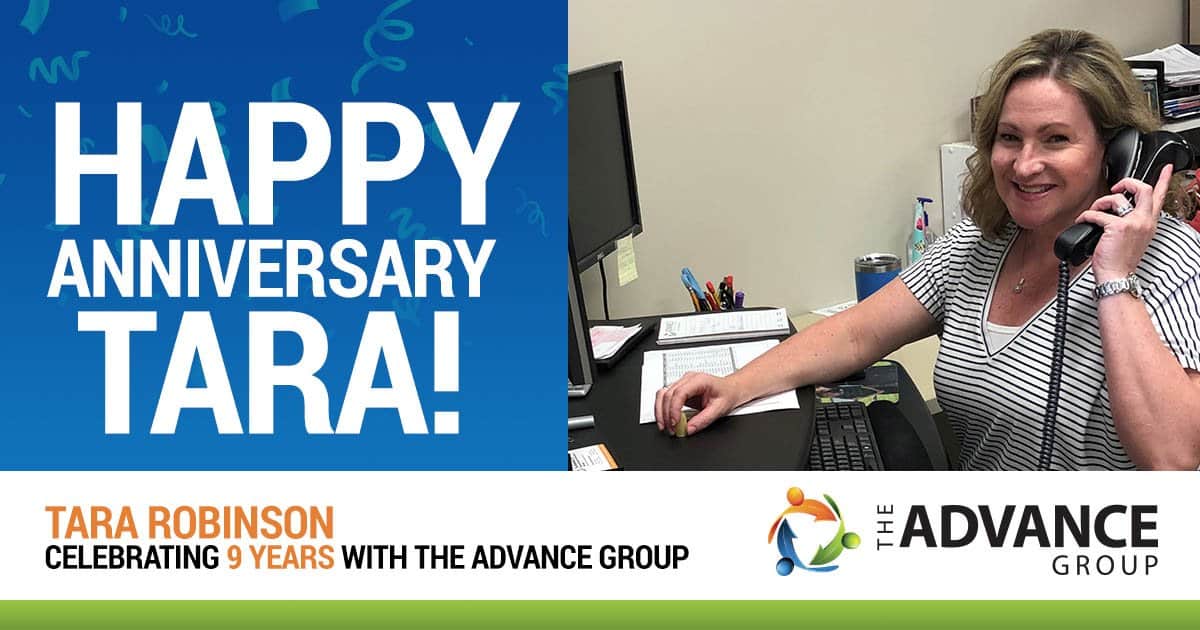


Happy 9th Anniversary, Tara Robinson!


To celebrate Tara Robinson’s 9th year with The Advance Group, we sat down with her for a Q & A session.  Here are a few highlights to enjoy:


Q:  What should everyone try at least once in their life?

A:  Witness a sunrise and sunset, from beginning to end.


Q:  What quote do you live by?

A:  Life is too short to delay getting started. Forget New Year’s or your next birthday or whatever life event you’re waiting to occur. If there is something you want to do, to create, to     experience in this life, start doing it NOW because whatever it is you’re waiting to happen before beginning might not ever happen.


Q:  What do you like to do in your spare time?

A:  Read, listen to music and hang out with family & friends.


Tara is the Regional Business Development Manager and works in our Southgate branch.  Happy Anniversary, Tara!

Where Can You Find the Senior Employees Your Team Needs?


Choosing the right candidate for an open position should always be a priority. However, when you are filling a senior role, it is especially critical.

Senior employees and members of the leadership team don’t just accomplish daily tasks; they also influence the strategic direction of the company. Additionally, these professionals often have to guide others, serve as representatives for the company’s brand, and impact future recruiting and retention success.

If you are wondering where you can find the senior employees your team needs to thrive, here are some tips for managing these crucial recruitments.

Social Media Platforms

Many of the best senior-level candidates are currently employed. While they may be open to making a change, they are usually only passive job seekers, not taking part in an active search.

As a result, you need to be proactive during the recruitment process and seek them out instead of waiting for them to come to you. In order to find these candidates, you need to embrace social media platforms.

Usually, you want to begin your search on LinkedIn and Facebook. LinkedIn is generally dominated by professionals, including candidates with college educations and who are solidly in their career. Facebook also shouldn’t be ignored because it is widely used, and many professionals have begun using the platform to further their careers.

Your Professional Network

Tapping your professional network to find suitable candidates is also a wise move. If you maintain relationships with senior-level employees, managers and executives, they may be aware of someone who would be a good fit for your job.

Additionally, a member of your network may even be interested in the role. When you discuss the opening with someone who may be qualified, you can find out if they would like to pursue the opportunity or know anyone who might be interested, allowing you to explore both options.

Recruitment Agencies

Having a partner to assist with your recruiting efforts can make a world of difference for any vacancy, especially senior-level openings. Recruitment agencies maintain vast candidate networks, including coveted passive job seekers, and are also well connected in their communities, making it easier for them to locate strong candidates quickly.

While many people assume recruitment agencies can only assist with entry-level positions, that isn’t the case. Most are quite skilled at finding candidates for any level job, up to and including executive roles.

When you partner with a recruitment agency, you gain a valuable ally whose expertise lies in the areas of recruitment and hiring. Plus, they can be a cost-effective solution, allowing you to find the right candidate quickly and without busting your budget.

If you are working to fill a senior position, the experienced team at The Advance Group can help. Contact us to speak with one of our recruitment specialists today and see how our senior-level hiring expertise can make finding your ideal candidate easier than ever before.


Is Your Manager Working Against You?


Even leading professionals know their manager won’t always be happy with all of their contributions. However, there is a big difference between receiving constructive criticism that can help you improve and having a boss who is actively working against you.

Unfair treatment, regularly being singled out for the slightest missteps, being denied access to projects even if you have the skills required to handle the work, or having every deliverable examined under a microscope could all indicate your manager isn’t focused on helping you succeed.

Similarly, holding a grudge after a single misstep or frequently asking you to take on tasks that don’t align with your skills (without offering sufficient training or access to resources), could suggest your manager isn’t working with you. Instead, their actions might be a way to undermine your capabilities, harm your reputation, or limit your career potential.

If your boss is continuously singling you out or treating you unfairly, here’s how to address the situation.

Don’t Immediately File a Complaint

Unless you are the target of harassment or threats that are clearly prohibited either by law or based on internal policies, going straight to HR and filing a complaint often isn’t the best choice. It is a fairly extreme move and, if you are misjudging your manager’s motives or intentions, could quickly backfire.

Similarly, going to your manager’s boss is also risky if the issue isn’t clearly harassment or related to real threats. When you use this approach, you are making assumptions about the nature of your treatment in many cases, particularly if you haven’t spoken to your manager about what you are experiencing.

Schedule a Meeting With Your Boss

Instead of going over your manager’s head right away, it’s wise to schedule a one-on-one meeting with them to discuss the issue. This ensures a bit of privacy and gives your boss the benefit of the doubt, allowing you to explore whether their intentions might have been skewed by their delivery.

Before the meeting, make sure to adjust your mindset. You don’t want to accuse your manager of wrongdoing. Instead, prepare yourself to view the situation from their perspective.

Then, when you enter the meeting, focus on asking your boss to clarify their expectations and give you insight into how you can improve. This allows you to take at least partial ownership of the situation and gives your manager a chance to clarify their intentions while opening the door for clear guidance. As a result, you won’t come off as confrontational, but as a concerned employee who wants to improve their performance.

This also makes the meeting a conversation instead of a one-way street. You can work with your manager to find a resolution that is mutually beneficial, instead of going on the attack.

Reevaluate the Situation

Once you have agreed on a solution, monitor the situation to see if it improves. After you begin acting on your manager’s recommendations, they may start working with you more, and things may improve.

However, if the situation remains the same or gets worse even after you try to meet your manager’s expectations, you may need to take further action. This could include getting HR or their boss involved, but that is only a path you should explore if you have evidence to showcase the issue.

Otherwise, finding a new job might be the easiest way to remove yourself from the situation. This is especially true if the environment is toxic overall and filing a complaint proves ineffective.

If you would like to know more or are seeking out new employment opportunities, the team at The Advance Group can help. Contact us to speak with a member of our staff today and see how we can help, or search our open jobs in Michigan and Ohio.


Is It Time to Start “Upskilling” Your Workforce?


When you are battling with a skills gap on your team, hiring a new employee to fill that void isn’t always the ideal approach. Recruiting can be expensive, and you may not have the budget to support another salary, making hiring someone new essentially off the table.

Luckily, if you have a few talented team members who are open to learning new skills, upskilling could be a cost-effective alternative. Not only will it give you access to the skills your company needs to thrive, but it also serves as a benefit to top-notch professionals who want to continue learning and growing in the field.

Plus, your existing employees are known quantities, unlike new hires. You understand their capabilities, interests and motivations, allowing you to provide training opportunities in a way that creates the most value.

Essentially, upskilling creates a win-win scenario for you and the employee. If you are wondering how you can integrating upskilling into your workplace paradigm, here’s what you need to know.

Identify Your Skill Gaps

If you aren’t sure where to begin with upskilling, take a look at your existing skill gaps. Any area that isn’t well covered by your team’s current capabilities should be a priority target, especially if those skills are genuinely needed today or will be vital to an upcoming project or initiative.

Don’t just focus on skills where no one is able to handle those duties. Instead, also include skills that aren’t well covered, such as in cases where only one team member is adept in that area. That way, you can create coverage or a succession plan, ensuring operations can run smoothly even if one team member departs or is unexpectedly absent.

Create Career Pathways

Upskilling does more than just offer you an opportunity to close skill gaps; it also enables you to create career pathways and prepare for future needs. Many leading professionals prefer environments where they can grow and advance, so having clear paths and supporting training opportunities can significantly boost retention.

Plus, you end up with an opportunity to craft your leaders of tomorrow. By offering upskilling opportunities to your best and brightest, you can cultivate their capabilities in a way that best suits the company’s long-term needs while supporting their progression. Essentially, by investing in the future of your workers, you invest in the future of the business as well, making it a win-win scenario.

Now, this doesn’t mean you should force an employee down a specific path. Instead, consider their career aspirations and how they can align with the organization’s objectives. This allows workers to be placed on paths that meet everyone’s needs and not just your own.

Embrace Several Training Mechanisms

Technology has made learning more adaptable than ever. Instead of having to rely on classroom learning, e-learning and virtual classrooms can be used as a flexible alternative. Informal options, like lunch-time sessions or mobile-friendly microlearning courses, can also integrate learning into the workplace culture with greater ease, all without disrupting normal operations.

Ultimately, upskilling your workforce is a cost-effective option for closing skill gaps and creating the leaders of tomorrow.

The Advance Group can help you find employees with the right skills for your workplace. Click here to check out our Talent Showcase and find employees with the skills you’re looking for, or contact our experienced recruiters to learn more.


Changing Jobs? Don’t Go It Alone!


Whether your goal is to find a new job in your current field or hope to change careers entirely, managing a job search as a working professional can be tough. Scrolling through tons of vacancy announcements is incredibly time consuming, especially if you have to handle your workplace and personal obligations along the way.

Luckily, you don’t have to manage your job search alone. By working with a staffing agency, you can get support from specialists who can help you navigate the process and find suitable vacancies. If you are wondering why you should go it alone when you are changing jobs, here is what you need to know.

Identify the Core Reason for Making a Change

When you want to change jobs, you might not fully understand your own motivations. Sometimes, a professional only knows where they are today isn’t ideal, but has trouble pinpointing precisely what is missing from their current role, field or employer.

By working with a staffing agency, you can discuss the matter with a professional. They can help you identify the root cause of your desire to move on, ensuring your next position addresses those concerns or issues, and is a better overall fit.

Find Suitable Open Jobs

When you partner with a staffing agency, you work directly with a skilled recruiter. Not only can they help you find suitable vacancies based on your unique combination of education, experience and skills, but they can also take into account your preferences and assess cultural fit.

Since every job requires something different and what a workplace has to offer can vary, working with a staffing agency helps you understand these differences and navigate the job search landscape to find a better fit. The recruiter will work diligently to find the best match possible, ensuring you are just as happy with the position as the employer is with what you bring to the table.

Enhance Your Performance

A staffing agency isn’t just going to help you find a great position; they will also assist you in ways that can make it easier for you to stand out as a candidate. The recruiters may help you fine-tune your resume, practice common interview questions, and identify skill enhancements that may allow you to land your dream position.

Essentially, your recruiter will do what they can to ensure you succeed, giving you guidance and insight that can turn you into a better candidate.

Acquire a Job Search Ally

By working with a staffing firm, you can hand off certain aspects of your job search to a skilled professional. The recruiter will scour their available openings, reach out to their network and even contact area employers to find a role that meets your needs. This can save you a substantial amount of time, allowing you to focus on your current job or personal obligations without having to sacrifice your job search.

Ultimately, working with a staffing agency can be ideal if you are looking to change jobs. If you’d like to know more, the team at The Advance Group wants to hear from you. Contact us to speak with one of our experienced recruiters today and see how our job search services can benefit you.


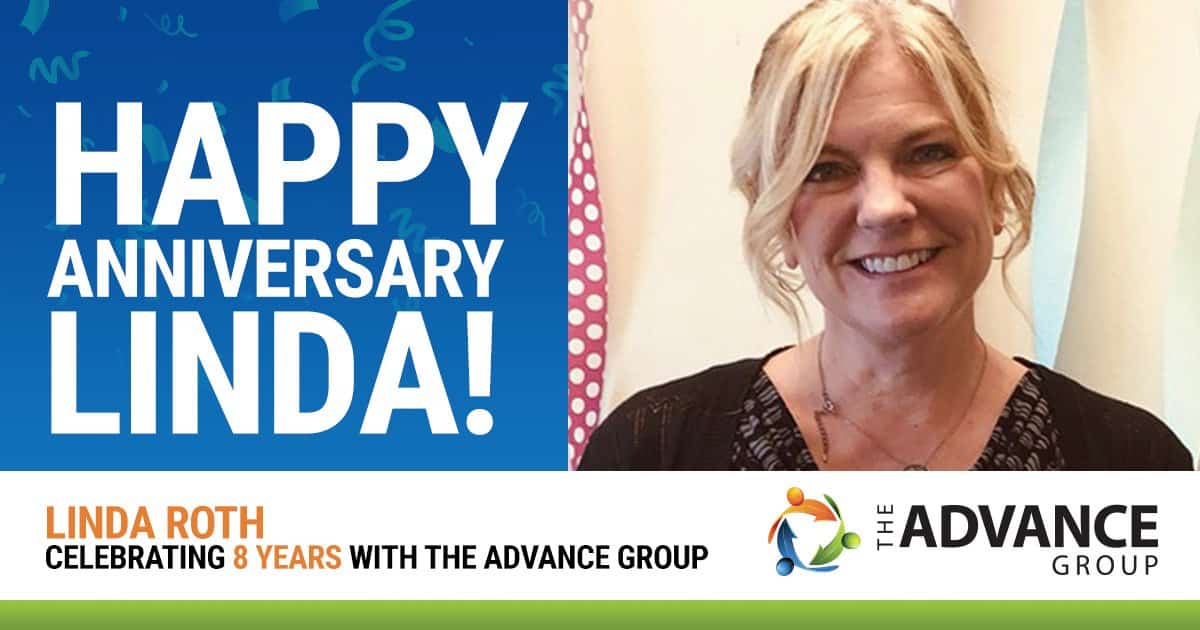
Happy 8th Anniversary, Linda Roth

To celebrate Linda Roth’s 8th year with The Advance Group, we sat down with her for a Q & A session.  Here are a few highlights to enjoy:

Q:What do you like to do in your spare time?
A:Travel, attend sporting events, go to concerts, run.

Q:What charity do you support?
A:The American Cancer Society.

Q:What brings you the greatest joy?
A:Spending time with my family.

Linda is the Recruiting Operations Manager and works with all three branches of The Advance Group.  Happy Anniversary, Linda!


Summer Is Here: Are Your Employees Enjoying It?


Most professionals spend at least 40 hours a week in the workplace. During the summer, it’s easy to become distracted by the beautiful weather or feel disappointed you can’t spend your time enjoying this amazing season.

Keeping workers engaged during the summer can be challenging. However, by injecting some fun into the workplace, you can make sure they aren’t just watching the calendar and pining for their vacation.

The occasional party can go a long way toward boosting morale and, during the summer, there can be a lot worth celebrating. If you want to recognize your team with a little workplace fun, here are some reasons that are appropriate for the summer season.

Monthly Birthday Party

Most workplaces can’t afford to stop and recognize every employee on their actual birthday. However, by hosting monthly birthday parties that acknowledge all your workers that were born in a particular month, you can inject a little fun into your environment.

Holding a small gathering with some sweet treats can be sufficient. However, if you want to go further, consider adding a few party games to the mix. Not only can this up the level of fun, but it can also support team building, giving the event additional value. Just make sure that you also give room for some socialization, as this also promotes bonding between teammates and can lead to lower stress levels.

Employee Appreciation Barbecue

When the weather is nice, spending some time outside enjoying a great meal can be an excellent reward. Consider hosting a team- or company-wide barbecue, complete with grilled foods, tasty side dishes, cold beverages and a cooling dessert.

If you want to up the fun, bring along some outdoor games. Horseshoes and bocce ball are easy to set up, can ignite a friendly competitive spirit, and can allow many people to join in on the festivities throughout the day.

Fourth of July

The Fourth of July is a great holiday to celebrate during the summer, and another occasion where having a barbecue to thank your employees for their hard work is certainly appropriate.

If you need to hold the event after work hours, you could even choose a location where setting off fireworks or lighting sparklers is allowed. If possible, making an after-hours event open to family members as well, ensuring employees can spend time with their nearest and dearest while enjoying the party.

Ultimately, there are plenty of reasons to celebrate this summer, giving you a chance to make sure your employees are enjoying the season. If you would like to learn about additional options, the experienced staff at The Advance Group can help. Contact us to speak with one of our skilled and knowledgeable team members today and see how our employee appreciation expertise can benefit you this summer and beyond.


How to Deal With a “Credit Thief”


At some point in every professional’s career, they will have to work as part of a team to complete a project. All parties have to contribute to reach the desired goal and, without the others, the project likely wouldn’t succeed.

In most cases, once the project draws to a close, everyone involved is recognized for their efforts. However, in some cases, a co-worker may swoop in and take credit for your work, leaving you in a precarious situation.

Figuring out how to deal with a “credit thief” isn’t always easy. Luckily, there are steps you can take to address the situation and prevent it from happening in the future. Here’s how to get started.

Prepare Yourself to Speak Up

Many professionals may be tempted to overlook a teammate stealing credit, assuming addressing the issue would cause more drama than it is worth. While considering moving past the incident doesn’t seem inappropriate on the surface, it does show that teammate you aren’t going to speak up, potentially encouraging them to continue the behavior.

While you don’t want to lash out the moment they take credit for your work, you do need to prepare yourself for a conversation. That way, you can set boundaries and ensure you are properly recognized for your contributions.

Talk to Your Co-Worker in Private

In some cases, a teammate may accidentally take credit for your work. They might not have meant you any harm and, if they were put on the spot when asked about the project, may have accidentally misspoken. As a result, speaking to your co-worker in private is often the best way to proceed.

Don’t start the discussion in an accusatory manner. Instead, let your teammate know how the incident made you feel and how it may have influenced the way you are viewed in the workplace. Give your co-worker a chance to explain why it occurred. Then, work together to create a plan to ensure it doesn’t happen again in the future.

Set Up a Meeting With Your Manager

If you have spoken to your teammate and the issue remains unresolved or if your co-worker continues to take credit for your work, you may need to get your manager involved. Schedule a one-on-one meeting with your boss to discuss the issue. Then, if more is required, be ready to participate in another meeting with you, your manager and your teammate.

Ideally, you should only involve your manager if it is genuinely required, hence why you should talk to your co-worker in private first. However, if the conflict escalates or your teammate continues a pattern of stealing credit, involving your boss may be necessary as a means of protecting your reputation and getting the situation resolved.

If you would like to know more about how to deal with credit thieves, or find a new job far away from them, the team at The Advance Group can help. Contact us to speak with one of our knowledgeable staff members today and see how our workplace conflict management expertise can benefit you.



What’s the Difference Between These Forklift Jobs?


If you are (or are planning to become) forklift certified, there are a variety of job opportunities available that can let you put your forklift skills to work. While all of the roles involve forklifts, they aren’t all exactly the same. As a result, it can be hard to figure out which forklift jobs align with your needs and preferences.

By understanding the differences between various forklift jobs, you can target the ones that feel like your best match. Here’s what you need to know about common forklift roles.

Forklift Operator

When a role comes with the “forklift operator” job title, it usually involves a substantial amount of forklift driving. Operating a forklift is a core part of the role, and your duties beyond using this piece of equipment may be fairly limited.

It is important to note that many forklift operators are responsible for handling companion duties. This can include tracking inventory, ensuring orders are correctly filled, assisting with packing, and some heavy lifting. However, if driving a forklift is one of your favorite tasks, looking for forklift operator positions could ensure you get to spend more of your time doing what you enjoy.

Forklift Mechanic

Forklift mechanics aren’t just responsible for operating forklifts, though it is usually part of the job. Instead, they also need to handle repair and maintenance duties, ensuring the equipment is running properly and that issues are identified and corrected.

Usually, forklift mechanics spend a decent amount of their time repairing and maintaining the equipment. Their driving duties may be limited to checking how a forklift is operating or if a repair is successful. However, they may also double as a forklift operator during times when all of the equipment is operational and doesn’t require routine maintenance on that particular day.

Beyond being forklift certified, many forklift mechanic positions require candidates to have additional credentials. Usually, this includes formal training or prior experience in forklift repair and maintenance, or on heavy equipment in general.

Warehouse Worker

Many warehouse worker roles also require forklift skills. Most employees working in these roles have to be flexible regarding their assigned duties, as they are responsible for more than just operating a forklift.

For example, inventory tracking, picking and packing, checking shipments for accuracy, and stocking shelves might be part of their assigned workload. Precisely what is needed can vary from day to day, so operating a forklift may only be necessary under specific circumstances.

Ultimately, there are a variety of positions that require forklift skills, giving certified operators a range of opportunities to explore as they work to further their career. If you’d like to find out more or are seeking new forklift jobs, the experienced team at The Advance Group can help. Contact us to speak with one of our skilled recruiters today and see how our forklift career expertise can benefit you, or browse our open forklift jobs for yourself.


Here’s Why People Don’t Want Your Job


Finding candidates for your vacant job seems like a simple task. After all, many job seekers are actively looking for a new role, so it seems only natural that qualified individuals would apply. As a result, if the resumes don’t start to roll in, it isn’t uncommon to be a bit confused.

Certain aspects of your position might not be enticing to candidates. In worst-case scenarios, portions of your description or other factors may even lead some job seekers to turn away from your open position.

Luckily, by figuring out why people don’t want your open position, you can make corrections. If you aren’t receiving applications from qualified individuals, here are some points to consider.

Your Job Ad Is Aging

Roles that require a hard-to-find skill set take time to fill. While leaving the same job ad up may seem like a good idea, as time passes, it will get diminishing returns.

When a candidate is looking for a new position, they often focus on new listings. Usually, those are presented first when they do a search, so they might not have a reason to peruse page after page of listings.

Additionally, many job seekers question whether an old job ad is accurate. Some may assume the role has been filled and the company simply forgot to take the job ad down. Others may worry there is something wrong with the opportunity, like a hiring manager who can’t make up their mind or a disorganized and lengthy hiring process.

If your job ad has been up for a while, it isn’t a bad idea to refresh it. That way, the listing appears newer, increasing the odds it will end up on candidates’ radar and reducing the chances of them being suspicious of the post.

Your Job Ad Looks Like a Scam

Professionals are increasingly aware of potential red flags that could signal a job is actually a scam. For example, promises that the new hire can make a lot of money in a short period, directing them to reach out over a messenger instead of applying through a traditional mechanism (like the job site or a company’s recruitment page), saying a lot of people will be hired quickly, or similar content could leave job seekers wary of the role’s legitimacy.

Additionally, not publishing your company name could make the position seem more like a scam. Similarly, if a candidate Googles your company name and comes up empty, not able to find a website or social media pages, they might assume the business isn’t real.

The Position Description Isn’t Enticing

Job seekers want a clear idea of what the role entails before they apply. If your position description is too vague, many will bypass your opportunity, at times because they assume you are hiding aspects of the job that they wouldn’t like.

On the other side, lengthy job descriptions with massive requirements lists are also not ideal. Some candidates won’t apply unless they meet 100 percent of the requirements, essentially screening themselves out even if they are capable of excelling in the position.

Ultimately, all of the reasons above could keep people from applying to your job. By avoiding these missteps, you can increase your applicant rate and have a better chance of finding the top talent you need.

If you would like to know more about effective recruiting, the team at The Advance Group can help. Contact us to speak with one of our knowledgeable recruitment specialists today and see how our expertise can benefit you.



How Much Should You Support Employees’ Extracurricular Activities?


Most companies focus on their employees’ work-related time and activities. After all, ensuring everyone remains productive and engaged on the job is critical to the organization’s success, making it an obvious priority.

However, employers also need to be aware their workers have lives outside of the workplace. Additionally, understanding that good work-life balance benefits employees and employers alike is similarly crucial.

When professionals are able to keep their personal lives in order and enjoy some extracurricular activities, their stress levels decrease. Plus, being able to have some fun during their off time not only makes them happier, but may also allow them to be more creative and innovative on the job.

As a result, supporting your employees’ extracurricular activities can help the company succeed. If you are wondering why you should ensure your staff has time for a life outside of the workplace, here’s what you need to know.

They Will Be More Productive

In order to be at one’s best, most people need a chance to recharge. If an employee is continuously burning the candle at both ends, their stress levels will build, and they might even burn out.

Having time to relax and rejuvenate is critical for stress management. By supporting your employees’ need for time off the job, you are giving them the space they need to recharge. Then, when they return to the workplace, they will have a better mindset, allowing them to be more productive.

Similarly, having time to handle personal or family obligations is also beneficial. If an employee is distracted by their responsibilities outside of the workplace during work hours, they won’t be able to focus as easily on the task at hand. By giving them the ability to handle their lives outside of work, they will be less likely to carry that stress in with them, making it more likely that they will remain productive.

Recruitment and Retention Rates Will Improve

When you support your employees’ need for a personal life, your retention rates can improve. Professionals often favor companies that promote great work-life balance, making you a more enticing employer.

By supporting their extracurricular activities, your existing staff may be less inclined to seek opportunities elsewhere. Many professionals understand that not all companies make work-life balance a priority, so, if that is something they value, they might not risk heading to a competitor.

Additionally, your recruitment efforts may also be more effective. Candidates will seek out opportunities with your company since they know that you can offer better work-life balance. You become a more attractive potential employer, which can make it easier to find top talent to fill your vacant positions.

Ultimately, supporting your employees’ extracurricular activities doesn’t just benefit them; the company benefits too. If you’d like to learn more, the experienced professionals at The Advance Group can help. Contact us to speak with a member of our knowledgeable team today and see how our work-life balance expertise can benefit you.