This Skill Can Help Your Career (And Life!)

In the workplace, effective communication is crucial. The issue is that many people overlook some critical components of effective communication, a situation that can potentially lead to misunderstandings or conflicts that could genuinely be avoided.

Luckily, by honing a specific skill – empathetic listening – you can dramatically elevate your communication capabilities. Not only can empathetic listening skills boost your career, but they can benefit all aspects of your life. If you wonder what empathetic listening is and how it can help you thrive, here’s what you need to know.

What Empathetic Listening Is

Empathetic listening is an approach to communication that focuses on deeply understanding the perspective of another. Along with listening to the words a person uses, empathetic listening also requires a little bit of reading between the lines, allowing you to glean the intent behind what’s being said.

Additionally, empathetic listening concentrates on forging connections. It’s highly similar to active listening and requires understanding the other person on an emotional level, making it easier to get insights into their motivations, perspectives, and needs.

Once you learn more about the person’s emotional experience, you’ll have an easier time empathizing with their position. Putting yourself into their shoes won’t be as challenging, leading to a greater overall understanding of the situation.

How Empathetic Listening Benefits You

Empathetic listening is a powerful skill that can benefit you in various ways, both on professional and personal levels. First, it can help you forge stronger relationships with those around you. You’ll have an easier time understanding others, and that can lead to great trust and respect.

Second, you’ll become more aware of how feelings influence communication. This can lead to better emotional intelligence, as well as improvements to your collaboration skills. Understanding a person’s motivations and perspective on matters is useful, particularly when you need to reach a consensus or resolve conflict.

Finally, empathetic listening promotes inclusivity. You can understand the perspective of another with greater ease, all without judgment for those whose backgrounds differ from your own. In turn, this leads to an environment where everyone feels safe, respected, and valued, a situation that can improve communication and collaboration.

How to Improve Your Empathetic Listener Skills

If you want to become a better empathetic listener, the first step is to be mindful of where you place your attention. As with active listening, you want to focus on the speaker, ensuring you don’t let your mind wander during the conversation.

After that, learning to key into body language is crucial, and practicing tracking subtle cues like adjustments in a person’s pitch or cadence. Additionally, getting comfortable with asking clarifying, open-ended questions is a must, as well as summarizing what was shared to ensure you fully understand.

By using those approaches, you can improve as an empathetic listener. If you would like to learn more about skills that can boost your career and prove valuable in your daily life, the team at The Advance Group wants to hear from you. Contact us today.




3 Ways to Make Your Company Attractive to Future Employees

Today, professionals have an increasing number of choices when it comes to employers. Along with local opportunities, the rise of remote work has broken geographical barriers, allowing those with the right skills to work for companies all across the country from the comfort of their own home.

Plus, candidates are doing an increasing amount of research before applying for jobs. They are digging much deeper than just reading job ads, also spending time reading employee reviews, assessing the company on social media, and more.

As a result, employers need to do more to catch the attention of top talent than ever before. If you aren’t sure where to begin, here are three ways to make your company attractive to future employees.

1. Cultivate Your Employer Brand Strategically

Your employer brand is a reflection of what you have to offer your workforce. It’s a public presentation that highlights key differentiators, allowing candidates to get a fuller understanding of why you’re a better option than your competitors.

Ideally, companies need to work to develop their employer brand strategically. This includes everything from defining your company mission and values, honing your brand voice, and engaging with candidates to enhance their experience.

With a strong employer brand, you’ll do more than attract more candidates; you’ll also connect with job seekers that align better with your needs and culture. This improves the quality of your talent pool, ensuring it’s brimming with right-fit professionals at all times.

2. Encourage Ambassadorship

Overall, candidates are more likely to trust information when it comes from an individual instead of the company. That means your current workforce is a recruitment asset.

By encouraging your employees to become ambassadors for your company, you can reach job seekers who may otherwise bypass your opportunities. Along with tapping their own networks, they can reach out to or connect with enticing prospects, increasing the size of your talent pool.

In some cases, you may need to offer training to help your employees function as ambassadors. Additionally, you may want to launch an official referral program, giving them a place to point candidates who may be ideal for an open position.

3. Keep an Eye on Your Reputation

Social media platforms, sites like Glassdoor, and a slew of other online destinations make it easy for current and past employees to share their thoughts about working for a company. Since the information is readily available, many job seekers read those reviews when deciding whether to apply for a position. If you aren’t keeping an eye on your reputation on sites like those, and what’s being shared doesn’t show your company in a positive light, you may be missing out on talent.

While you may not be able to get reviews removed, you can typically respond to them. Thoughtful, public replies not only show that you’re willing to listen to criticism but that you’re also open to engaging in a transparent dialog. That can go a long way toward preserving your reputation.

Ultimately, all three of the tips above can make your company more attractive to candidates. If you’d like to learn more about how you can achieve recruitment success, the staff at The Advance Group can help. Contact us today.


5 Habits Successful People Share

Why do some professionals achieve higher levels of success than others? While it may be easy to assume that luck is the biggest differentiator, that is rarely the case. Instead, successful people embrace beneficial habits, allowing them to reach heights that may seem impossible to others.

By learning how they do what they do, you can elevate your career. If you aren’t sure where to begin, here are five habits successful people share that you can use, too.

1. Ownership of Their Careers

Successful professionals don’t leave their career development to chance. Instead, they identify the skills that can help them flourish and then work to acquire or hone them independently. They aren’t dependent on workplace training opportunities, so they are never stymied by a lack of company funding, educational systems, or other internal tools.

If you want to excel, take stock of your skillset. Next, research skill areas that could help you move up. Then, acquire any missing skills on your own time, allowing you to position yourself for the next step on your career path.

2. Driven to Negotiate

One key difference between successful people and the average professional often involves negotiating. If you never try to get a better deal – such as a higher starting salary or access to a promotion – your career won’t advance as quickly as it may otherwise.

Not only do you need to get comfortable with negotiating, but you need to develop your negotiation skills. That way, you can seize every opportunity.

3. Consistently Exceed Expectations

While your job may only require that you meet expectations, if you want to accelerate your career, then you need to aim higher. If you consistently exceed expectations, you’re showing that you’re capable of taking on more, something that can make you a more attractive candidate for promotional opportunities.

In many cases, the first step is to learn about your employer’s goals and priorities. That way, you can align your actions with them, making you a more valuable asset.

Beyond that, it’s all about motivation. You need to learn to push yourself to do more than the minimum, even if it isn’t necessary. This helps you develop a strong reputation, one that can serve you well during your career.

4. Learning from Failure

Every misstep in your career is an opportunity. It serves as a lesson at a minimum, letting you know what not to do down the line. The best-case scenario spurs growth, allowing you to become a more capable and resilient professional.

When you make a mistake, take ownership of the error. Examine the situation to see what went wrong and develop a plan for making it right. Then, execute that plan, ensuring that the outcome is as positive as possible.

5. Not Going It Alone

While taking ownership of your career is wise, that doesn’t mean you have to go it alone. Having a reliable network that can help you on your journey is smart. Not only may they be able to offer you advice or serve as a sounding board, but they may also provide you with access opportunities that aren’t available otherwise.

Similarly, partnering with a recruitment agency is a smart move. You’ll gain access to job search allies who can help you tap into great promotional opportunities and assist with honing your resume and interviewing skills.

If you’re looking to take the next step in your career, the team at The Advance Group wants to hear from you. Contact us today.


2021’s Top Job Seeker Motivations

While there is now a light at the end of the tunnel, the impact of the pandemic will be ongoing. It fundamentally altered candidate expectations and job seeker priorities in many cases, causing them to favor a different kind of employer in 2021.

By understanding their top motivations, you can adjust your recruitment approach and employee experience accordingly. In turn, you’ll have an easier time with both recruitment and retention, allowing you to access and keep exceptional talent.

If you aren’t sure where to begin, here is a look at the top job seeker motivations in 2021.

Competitive Salaries

During 2020, there was a lot of financial uncertainty. Both professionals and companies were impacted, creating a unique climate that hasn’t existed for several years, if not longer. Job losses were common, and employers had to forgo promotions and raises to maintain operations.

Today, that situation is calming. As a result, professionals have new expectations when it comes to salaries. While they may have been open to bypassing a salary increase during the height of the pandemic, that mentality isn’t as present today. As a result, companies that want to hire genuine top performers need to bring enough to the table, ensuring they meet or exceed what’s available through competitors.

Job Security

With the widespread unemployment caused by the pandemic, many professionals reevaluated their careers. Industries that were once viewed as incredibly stable suddenly weren’t, while some other unexpected fields thrived.

Professionals are now more aware of the importance of job security than ever before. In some cases, this leads them to pivot into new fields or industries to find additional stability. At times, it means focusing on companies that weathered the storm best, or that can offer something to offset a perceived risk, like career coaching and job placement support if layoffs occur.

However, it can also cause many candidates to put renewed emphasis on transparency. If they remain in a riskier industry, knowing that their employer will be open and honest as the situation unfolds provides them with value.

Ultimately, companies need to consider how they can offer a form of job security. Additionally, they need to seize opportunities to highlight what they bring to the table in this area, making them a more enticing option for job seekers.

Work-Life Balance

During the pandemic, many professionals began working from home for the first time, and a decent portion have become enamored with the paradigm. It became a critical tool for work-life balance, allowing them to navigate various personal challenges while remaining productive.

Many professionals are going to favor employers who have something similar to offer. Whether it’s the ability to telecommute at least part of the time, flexible schedules, or anything else that provides a degree of agility, companies that bring it to the table will get more attention.

In the end, companies need to understand the top job seeker motivations of today, enabling them to make adjustments to attract the best candidates. If you’d like to learn more about how to recruit successfully in 2021, the team at The Advance Group wants to hear from you. Contact us today.



Looking to Make a Career Change? Your Resume Will Need Some Updates, Too

Changing careers can be incredibly exciting, but it is also a bit daunting. After all, you typically have to convince a hiring manager to take a bit of a chance on you, mainly because you don’t have experience in their industry or that specific type of role.

However, that doesn’t mean you can’t make it happen. As long as you update your resume appropriately, you can showcase why you are an excellent fit for the job, even if you gained your experience elsewhere.

If you aren’t sure where to begin, here are some tips that can help you update your resume for a career change.

Identify Your Transferable Skills

Even if you have your sights set on a new industry or field, you have skills that could help you excel in your new niche. In nearly all cases, the soft skills you have honed during your career are universally valuable. Being a strong communicator, effective collaborator, or empowering leader, for example, will be appreciated in practically any role you could potentially land. Similarly, attention to detail, organization, critical thinking and problem-solving are also widely needed.

Plus, at least some of your technical skills may be able to serve you well. Many productivity software applications are used in a range of industries, making those capabilities highly transferable.

Spend some time reflecting on your capabilities. Then, identify the skills that you can put to work in your target position. This will help you determine what you should highlight on your resume to make yourself a standout candidate even if you aren’t the most conventional fit.

Be Achievement-Oriented

When you fill in the work history section of your resume, don’t showcase your skills by simply listing them or outlining your past responsibilities. Instead, be achievement-oriented.

Using accomplishments to highlight what you bring to the table is a much more engaging approach. It shows the hiring manager what you’re capable of, giving them insights into your ability to thrive. Plus, it offers them more context, increasing the odds that they won’t just learn about your skills but be impressed by what you’ve done in the past.

Remove Extraneous Detail

When your goal is to change careers, there’s a good chance that at least some of what is on the current version of your resume is extraneous. While the points may have been valuable while you were in that field, they won’t be as meaningful if you’re aiming at another niche.

Review your resume with a critical eye. Consider whether every detail provides the hiring manager you want to impress with value. If it doesn’t give them insights into how you could excel in the role they are trying to fill, it may be wise to cut it.

Ideally, your resume needs to target the job you’re trying to land. Any information that doesn’t do that needs to go. That way, your resume can be concise and compelling.

If you’re looking for more information that can help you pull off a career change, the staff at The Advance Group wants to hear from you. Contact us today.



Top Tips From Our Most Successful Employees (These Are Things You Can Do Too!)

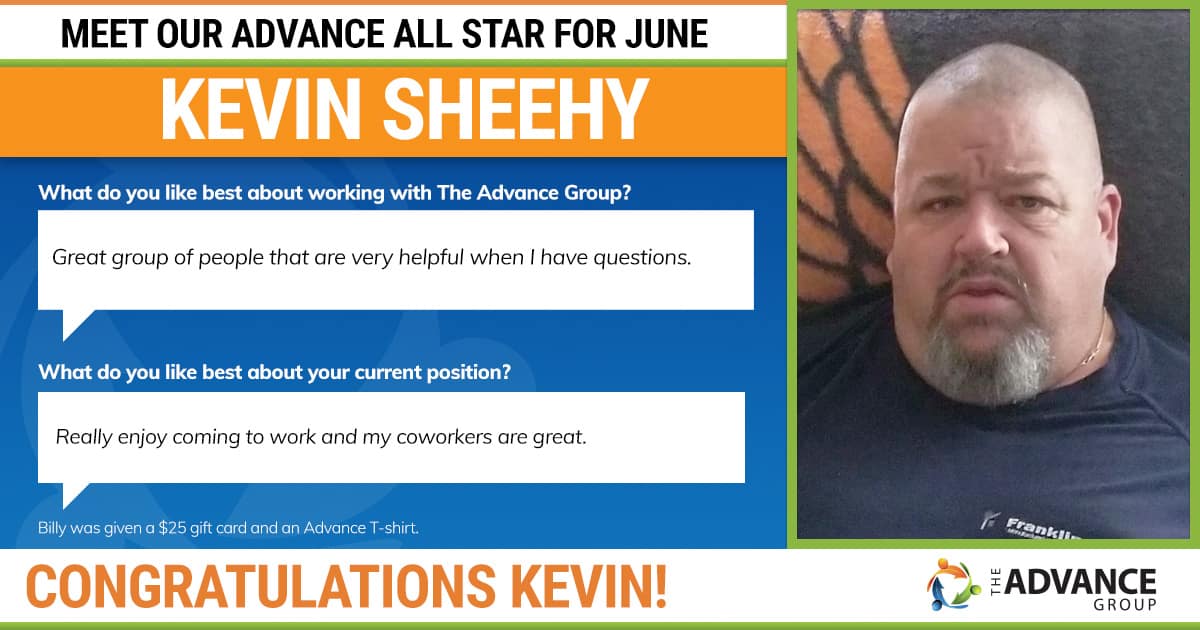
*Biggest tip- employers are not necessarily looking for skills, they are looking for a great attitude!

  1. Re-read your start sheet and be prepared with everything you need to get started – including safety equipment!
  2. Be there early on your first day! Do a drive-by before your start date so you know exactly where you need to go and which door to use!
  3. Show up every day, on time, and ready to work – and don’t use your cell phone! Have backup plans for transportation and child care.
  4. Give plenty of notice if you do need to take any time off of work for appointments – no last-minute call-offs.
  5. Help out where you are needed, even if it’s “not your job” – be a team player.
  6. Work hard to get along with your co-workers – no drama!
  7. Call Advance if you are having any issues – most issues can be worked out, you just need to communicate with your Advance rep.
  8. Be open to learning and improving – take direction from your supervisors, know that you have a lot to learn.
  9. Think long-term – work to get hired in to earn raises and promotions, benefits, vacation time.
  10. Be flexible! Sometimes overtime is necessary and you’ll thank yourself on payday!

Want to be an Advance All Star? Find exciting new opportunities from The Advance Group today!

Five Employee Metrics That Matter Most

When you want to gauge performance, turning to the right metrics is a must. They will give you insights into productivity, efficiency, and other key factors that often determine a workforce’s level of success, making them worth tracking.

While the exact metrics you need to monitor may vary for each department or position, some are more universally valuable than others. If you aren’t sure which employee metrics matter most, here are five that are worth tracking.

1. Goal Attainment

Usually, in a performance review, managers and employees set goals for the worker together. By monitoring the rate at which those objectives are achieved, you can assess an employee’s drive, accountability, and more.

Just make sure that you review all of the associated goals for reasonableness. Otherwise, an employee may be unfairly penalized simply because what was listed wasn’t realistically possible.

2. Customer Satisfaction

Nearly every employee assists some customer, either external or internal, to the company. For example, sales reps work with what’s traditionally seen as customers – usually consumers or business clients – while your IT help desk may support other employees, giving them their own customer base.

Customer satisfaction metrics help you assess the quality of customer interactions. It lets you know whether those seeking help or support are getting what they need, making them valuable numbers to track.

3. Error Rates

Analyzing the number of missteps an employee, team, or department makes is wise. High error rates could indicate a problem that needs fixing, whether through equipment maintenance, better training, or more oversight from a manager.

It is important to remember that employees may not be responsible for every error. However, if a worker has a notably higher rate than their colleagues, that suggests the issue is at the worker level. If an entire team or department has a high rate, that issue may be systemic.

4. Overtime

If your company allows or mandates overtime, looking at overtime metrics is a smart move. It gives you insights into a key part of your operation, including potential issues that may need addressing.

Overtime might indicate a staffing level issue, particularly if entire teams or departments regularly engage in it. If it’s just high for individual employees, it could suggest that they are struggling with their workload.

It’s important to note that large quantities of overtime don’t mean a worker is more productive or dedicated than their counterparts. Long-term, frequent overtime should be avoided, as it can actually result in diminishing work quality, burnout, and more. Efficiency is preferred in nearly all cases, so use overtime metrics to determine if a situation needs a closer look.

5. Absenteeism

Excessive absenteeism can be a troubling sign. While you may be inclined to penalize workers with high absenteeism rates, it’s important to look at the situation carefully first. There may be other issues at work, many of which may be resolvable.

For example, it may indicate that an employee isn’t fully engaged or is burning out, both of which may be fixable if you take the right action. A pattern of absenteeism in a single department that doesn’t exist elsewhere in the company could suggest an issue with a manager or another local factor.

Ultimately, all five of the metrics above are worth tracking. If you’d like to learn more about performance management, the staff at The Advance Group wants to hear from you. Contact us today.



Get Your Screen Time Under Control (Even When You’re Working from Home)

Due to COVID-19, many professionals found themselves working from home for the first time. As a result, they may be spending more of their days sitting in front of screens. In an office, meetings, quick chats, and commutes move you away from your devices. When those activities are handled remotely, it means more time in front of a screen instead.

Luckily, it is possible to get your screen time under control even if you work from home. If you aren’t sure where to begin, here are some helpful tips.

Track All of Your Screen Time

Before you can make any meaningful adjustments, you need to get a grip on how much time you’re actually spending in front of a screen every day. Along with logging your work-related screen-based activity, you also need to track your personal screen use. This includes over any device, including computers, smartphones, televisions, and more.

Note how much time you spend in front of a screen and what you were doing at the time. This helps you identify your current screen use, making it easier to identify opportunities to cut back.

Look for Off-Screen Alternatives

Once you know what screen-based activities you’re doing each day, scan the list for tasks that can potentially be done another way. For example, you may discover that a meeting could be a phone call instead, allowing you to shift your eyes elsewhere or even participate while taking a quick walk around your neighborhood. Similarly, some online resources are available in print, letting you turn to paper instead of a screen.

The purpose of this review is to identify logical points where cutting back on screen time would be natural. That way, the transition is seamless but effective.

Consider Fulfillment

While taking many of your work tasks offline might not be an option, you do have some control over screen use during your off-hours. If your goal is to cut back, consider which of your personal activities that require digital devices are genuinely fulfilling and which ones are just ways to pass the time.

For fulfilling activities – like video chatting with loved ones or playing a game with friends – consider keeping that screen time in place. For anything that is only a time killer and isn’t bringing you joy, try to find a replacement activity that doesn’t involve screens.

Have a Device-Free Day (or Half-Day) Every Week

If getting away from your screen on workdays seems impossible, consider taking one of your days off each week to go device-free. It can give you an extended break, for one. For another, it might let you take part in other activities with the constant distraction of notifications.

If you can’t go an entire day, try having a device-free half-day instead. You could also have device-free evenings every day of the week, where you shut off every screen starting at a particular hour and don’t turn them on until morning.

Ultimately, it is possible to get your screen time under control. Use the tips above as a starting point, seizing every opportunity to live and work without a device in front of your eyes.

If you’d like to learn more, the team at The Advance Group can help. Contact us today.


How to Decide What Size Company You Want to Work At

When you’re looking for a new position, the size of the company you end up working at can significantly impact your job satisfaction. While both big companies and smaller businesses have plenty to offer, they each come with a unique set of benefits and drawbacks. If you don’t factor those into your career decisions, you may find yourself in an environment that doesn’t meet your needs.

Often, the easiest way to decide what size company is right for you is to examine the pros and cons of each arrangement. If you aren’t sure where to begin, here are some insights that can help.

The Pros and Cons of Working for Larger Companies

It’s important to understand that what constitutes a large company may be in the eye of the beholder. For some people, a company with more than 500 employees might feel massive. But it’s crucial to realize that some employers have workforces in the tens of thousands, and some even cross into the millions.

However, many of the larger companies, even if they differ in size, have quite a bit in common. Typically, they follow rigid processes, ensuring continuity across the entire operation. This can be beneficial to anyone appreciating formal procedures, though it may not work well for professionals who enjoy a bit of freedom or autonomy.

As an employee of a large company, you usually get access to subject-matter experts. It isn’t uncommon for job specialization to rise along with the population size so that specific people may tap for different kinds of help. That can be wonderful when you have a complex issue that really requires a depth of know-how you don’t usually find. However, it also means your duties will be more narrow, which some people may not see as ideal.

When it comes to flexibility, you aren’t as likely to find it with a big enterprise. They may have strict policies outlining remote work, promotions, and leave, as well as standardized salary schedules. Often, this helps keep things fair, which can be a boon. But it also means you may not have as much negotiating power, which might be a con.

Finally, advancement may be easier to achieve in a large company. The sheer volume of positions means opportunities may arise regularly. Additionally, they might be clear paths for moving up, taking the mystery out of promotions. However, competition could be fiercer, which is a potential drawback.

The Pros and Cons of Working for Smaller Businesses

With a smaller business, you usually get more flexibility. The management layers aren’t as deep, so they may not oversee every decision or choice. This can give you more autonomy, but it also might lead to less support or guidance.

Plus, you won’t usually find rigid policies about salaries, leave, or other benefits. You may have an easier time negotiating or may have quicker access to telecommuting or other work-life balance options. However, it does mean losing some of the protection standardization can provide since, if you’re not a strong negotiator, you may not come out as well.

There’s also a good chance that your responsibilities will be broader. With fewer team members, employees usually have to wear at least a couple of hats. Your days will have more variety, but you may have to take on duties that aren’t in your wheelhouse or don’t keep you engaged, which is important to consider.

Finally, promotional opportunities may be less available. There aren’t as many positions, reducing the number of chances to move up. However, when they do come along, you won’t face the same amount of competition, which may work in your favor.

Ultimately, it would help if you considered which option may work best for you. Consider your needs and preferences, then target companies that bring what you want to the table.

If you’d like to learn more, the team at The Advance Group wants to hear from you. Contact us today.


Not Ready to Lose Your Favorite Employee? Here’s How You Can Keep Them!

When you have top talent in your midst, working to keep them on board is a smart move. It helps you cultivate a more capable workforce, allowing the team to remain productive.

While it may seem like keeping your favorite employee would be easy, that isn’t always the case. Even if they enjoy the role, other factors could lead them to seek out opportunities elsewhere, increasing the odds that you’ll lose them.

Luckily, there are things you can do to boost retention. If you aren’t sure where to begin, here are some tips.

Make Sure Your Compensation Is Competitive

While it is true that professionals appreciate a great culture and reliable colleagues, if your compensation lags behind your competitors, you may see turnover rise. Top talent wants to be paid fairly. Additionally, they value access to crucial core benefits, including robust retirement and healthcare options. If you don’t bring that to the table, they may feel as if they have little choice but to head toward greener pastures.

In many cases, preventing this kind of issue is simple. Make sure to audit your compensation packages annually, comparing what you offer to what’s available through your competitors. If you find that your salaries or benefits fall short, take action. Offer raises to bring pay rates back in line or adjust your benefits to meet or exceed industry standards. That way, the basics are always covered.

Offer the Right Perks to Your Workforce

Perks can have a notable impact on retention. However, you may be surprised by which ones have the biggest impact.

For example, telecommuting options aren’t just preferred; they may be outright expected. Professionals have experienced working remotely, and they know they can remain productive. As a result, they may be less inclined to stay with an employer who doesn’t allow telecommuting on at least a part-time basis.

Other perks that promote work-life balance and wellness can also be valuable. Flexible schedules, generous leave packages, health management tools, and similar options can all be attractive, particularly to candidates who have demanding personal lives.

Consider what perks provide your employees with genuine value. Then, make sure they are easy to access.

Help Employees Grow and Advance Professionally

Most top performers have goals beyond their current role. If your company can’t help them achieve those objectives, then they’ll end up looking elsewhere, possibly faster than you’d expect.

If you want to keep your favorite employee on board, sit with them to identify a clear path for advancement. Offer them growth and development opportunities that make them eligible for promotions, and assign them to skill-building projects.

When you support a top performer’s growth, they’ll be less inclined to look outside the company for promotional opportunities. Plus, morale will typically rise, and they’ll be more capable overall, leading to higher productivity, too.

If you’d like to learn more about how you can improve retention, the team at The Advance Group wants to hear from you. Contact us today.