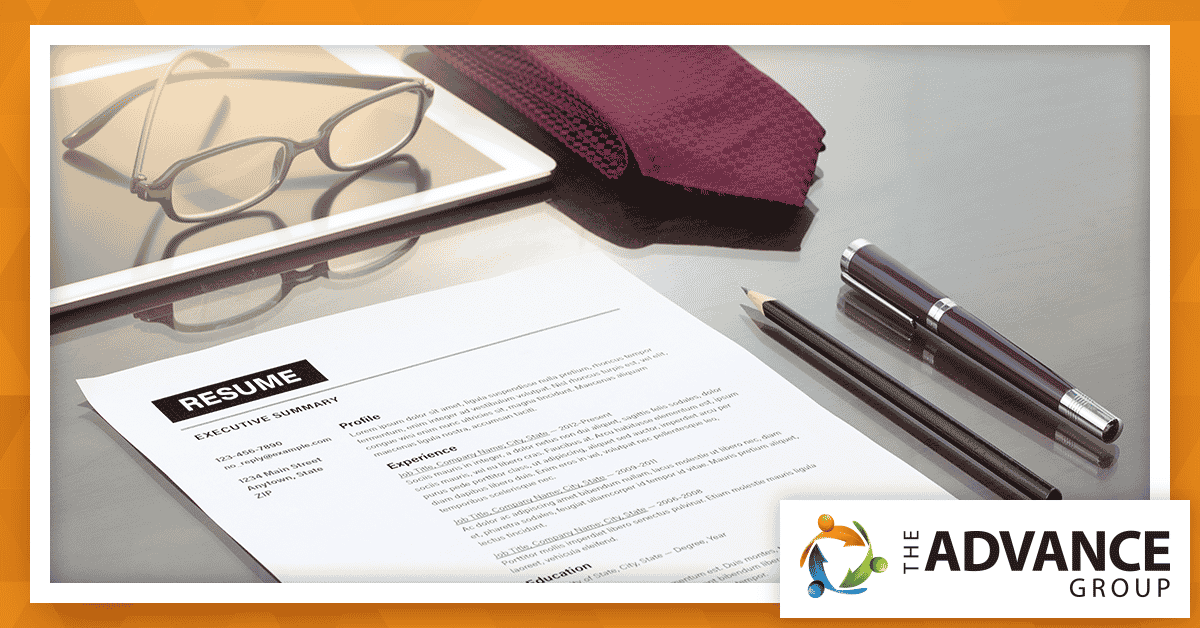
Can Your Current Employer Be Your Job Reference?


When you’re looking for a new job, you can expect prospective employers to ask if they can contact your current manager for a reference. But deciding whether to give them permission isn’t easy, depending on your circumstances. Often, job seekers try to keep their search for a new position private, and allowing the potential employer to contact your company is a sure-fire way for word to get out. Luckily, there are ways to navigate this tricky territory.

Understand the Ball Is in Your Court

First and foremost, you need to realize you have all the power in this equation. Yes, a prospective employer would like to contact your company for a reference, but most understand if you’re trying to keep them from finding out that you’re looking for a new position. That means you can generally say “no” without a high chance of negative repercussions.

If you aren’t comfortable with them calling for a reference now, but are open to it later, you can state that, while you are trying to keep your job search private at this time, you would be open to them contacting your current employer once a job offer is made. This would give you an opportunity to tell your manager personally that you’ve found another position, but lets the hiring manager access the information when the time is right.

What If Your Employer Knows You’re Job Searching?

In some cases, you may feel comfortable letting your employer know you are looking for a new position. For example, if your job is seasonal and layoffs are just around the corner, or you are working a contract position that is almost complete, you might not find the need to keep your efforts a secret. The same situation can occur in situations where your manager already knows you’re planning on leaving, which can happen if they know you are moving to a new city on a specific date, for example.

If your employer is aware of your job search, there’s no reason they can’t be a reference, as long as you’re certain their review of your performance and capabilities will be positive.

Similarly, if your manager doesn’t know you are looking for a new position, but a co-worker does, you could consider offering their information for a reference. However, it’s important that you only go that route if you are certain they won’t inform anyone else when that call comes through.

Ultimately, you are never required to provide your current employer as a reference, and most hiring managers will understand if you want to keep your job search private for the time being. By giving them the opportunity to contact your workplace at a later date, such as when an employment offer is on the table, you can demonstrate you have nothing to hide from them and that you’re just trying to preserve your relationship with the manager you report to today.

If you are interested in learning more or are looking for a new position, the recruiters at The Advance Group can help. Contact us to discuss how our services can assist you with your career goals today.




5 Skills Assemblers Need


If you enjoy a fast-paced work environment, the idea of getting a job as an assembler is likely very appealing. These workers help keep a production line moving by connecting various parts and pieces of the final product, which can be very gratifying work for those who like to see the physical results of their efforts.

To be successful in an assembly position, you do need certain core competencies. Here are five skills every assembler needs to possess.

1. Teamwork

Most production lines aren’t one-man shows; they require a team of skilled workers to get the job done. As an assembler, you’re going to be a part of a larger team, and knowing how to work well with others will help you progress in your career. Often, this includes being willing and able to do your part, as well as wanting to help others when the need arises.

2. Attention to Detail

When you are assembling pieces, you need to make sure everything is put together correctly. Small errors in the construction of the final product can lead to serious issues down the line or may lead the item to fail to function properly.

Assemblers need to be detail oriented to make sure that everything comes together as it should, so this skill is often considered a necessity.

3. Manual Dexterity

Assembly work is typically a manual process. You may be putting pieces together by hand or using a variety of hand tools, so manual dexterity is a must. Fine motor control and strong hand-eye coordination are also helpful, as they make adapting to the physical components of the job easier.

4. Focus

Generally, the pace at a production facility is quick. Since attention to detail is so important, and you have to keep up with the speed of the line, being able to maintain focus for extended periods is critical. This will help you get your tasks done in a timely fashion, which keeps the line moving, and ensures everything is put together properly – even when you are moving quickly.

5. Self Motivation

While assemblers are often expected to meet certain performance metrics, such as completing a specific number of pieces during a shift, it’s unlikely someone is going to be standing over your shoulder to keep you on task. This means you need to be a self-motivated individual who can monitor their own performance and make adjustments as required.

Yes, failing to meet the production standards during a shift will be noticed, so it’s not that you won’t receive direction. However, keeping yourself on target may largely fall on your shoulders, so being self motivated is an important trait.

If you possess all the skills above, it’s likely a career as an assembler could be right for you. If you are interested in learning more about assembly positions in your area, the team at The Advance Group wants to hear from you. Contact us to see which leading employers are hiring today.


Step Up Your Maintenance Resume with This Tip


When you’re applying for a maintenance job, your first goal is to ensure your maintenance resume gets noticed by the hiring manager. Often, this seems like an easy task if you have the right skills and experience, but how your maintenance resume is set up can have a bigger impact on your success rate than the content itself.

Many hiring managers only spend a few seconds when they review a resume the first time, as they can have a large pile of applications to consider. They look for key pieces of information that are especially pertinent to the position and, if they don’t immediately see what they’re looking for, they move on to the next candidate. That means you have a limited amount of time to make a positive impression.

Most maintenance resumes are reviewed in a Z-pattern, with the hiring manager quickly skimming over the content for relevant details. If your resume isn’t easy to scan, it will likely be discarded.

To help you ensure your maintenance resume is designed with this in mind, here’s a tip to help your maintenance resume stand out.

How to Build an Easy-to-Skim Resume

Creating a resume that’s easy to review doesn’t have to be a challenge. What you need to do is focus on important keywords which are typically listed in the job posting. You want to keep the content concise, make sure the format is clean, and remove superfluous details.

Based on some of today’s leading resume trends, you want to begin with a summary statement and skills list that highlights your most relevant qualification. Review the job posting and see what terminology they use when referring to must-have skills or experiences. Then, based on your prior employment or education, create a quick summary that demonstrates you have what they need and follow it up with a brief skills list that touches on these points. This places the most important details at the top of your resume, making them easy to spot.

When you progress into your work experience, consider using a similar format. List the position title, company information, and employment dates first, then follow it up with a summary that spotlights key accomplishments that are applicable to the target role, quantifying them when appropriate. Then, add additional skills that provide value in a simplified, bulleted format.

This approach avoids large blocks of text that can be hard to skim and draws the eyes to key areas of interest that highlight what you have to offer.

Without the right keywords and formatting, your resume isn’t likely to get much attention from hiring managers. But, these quick changes can make it easier for interviewers to skim the content, allowing them to get the details they need with greater ease.

If you are interested in learning more about how to improve your maintenance resume or are looking for a new position, the team at The Advance Group can help. Contact us today to see what positions are available with some of the leading companies in the area.


No Confidence in Your Admin Skills? Here’s How It’s Hurting You


At times, even the strongest worker’s confidence falters. Maybe you were entrusted with a task that is well outside your comfort zone, or you received negative feedback you weren’t expecting. In most cases, these moments where you question your capabilities are short, and you’re able to get your mojo back and keep moving forward.

However, in some cases, a lack of confidence can be damaging to your career when it’s a long-term issue. If you spend your days feeling like an imposter or stuck in self pity, and there’s little to any reprieve, then you aren’t going to perform well in your admin job. So, if you regularly feel inadequate, here are some signs that your insecurity is a problem, how they are hurting you, and what to do about it.

Work Is Left Undone

While most people’s productivity rate ebbs and flows with time, if you aren’t getting your assigned tasks finished, your lack of confidence is doing real damage. Often, this stems from feeling unqualified for the position or that your admin skills aren’t up to par. Being paralyzed by insecurity isn’t the answer.

Often, it’s better to try and risk failure than to make no attempt at getting your work done. If you make an effort, you’ll have the opportunity to get feedback, which allows you to improve. It also increases your experience, helping you tackle the task better next time. And, in many cases, you’ll actually handle the project better than you originally anticipated, and that can help you gain more confidence in your admin skills.

You’re Just Waiting to Be Fired

A lack of confidence can do horrible things to your mindset. You may spend your time waiting for your manager to let you go, as you’re sure they’ll see you’re a fraud eventually, even though they’ve given you no indication that there’s a problem. This way of thinking makes it hard to do your job, as you’re constantly on edge and assume every conversation with your boss is going to be your last.

Typically, much of this anxiety can be relieved with a single conversation. Schedule some time with your manager and ask for feedback regarding your recent performance. This opens the door to a helpful discussion, regardless of what they have to say. If the feedback indicates problems in certain areas, you can work together to create a plan for improvement, giving you direction and an effective game plan. If it’s positive, you may feel less insecure, as you’ve heard from them directly that everything is fine.

Frantic Job Searching

When you feel out of your depth in your admin job, you may begin searching for a new opportunity. Often, this is an attempt to escape the current situation before anyone realizes your “shortcomings.” But, this typically only creates another distraction, harming your productivity and splitting your attention. It also means you aren’t spending this valuable time on improving your admin skills.

Instead of heading straight to the job boards, consider why you’re starting a search. Are you actually unhappy or just afraid of getting fired? If it’s the latter, follow the advice above and see if you can’t relieve some of your anxiety. If it’s the former, finding a new position could be the right move.

If you’re interested in securing a new job, the team at The Advance Group can help. Contact us today to learn about admin jobs in your area.


Messed Up Your Light Industrial Interview? Bounce Back with These Tips


Sometimes, you leave an interview knowing it didn’t go well. Maybe you stumbled on a few questions or committed a faux pas that didn’t leave a great impression. Regardless of the reason, it’s never a great feeling. Messing up during your light industrial interview isn’t the end of the world, however. There are ways to bounce back. Here are a few tips to help you get back on track.

Let Yourself (Briefly) Grieve

It’s okay to take a little time to feel bad about how things went. Instead of bottling up your feelings, allow yourself to work through the emotions. Don’t make a wide announcement about the how things went, as this can hurt your future prospects, but do consider confiding in one person whom you trust. Vent your frustrations a bit and discuss what happened during the interview. This will let you get everything out of your system, giving you the opportunity to get past it.

Move On

After you’ve taken a day to work through your emotions, it’s time to pick yourself up and start again. Treat your last interview as a learning experience and take it as an opportunity to improve during your next one.

Start by reviewing what went wrong and determine what you can do better next time. Maybe you need to dedicate more time to preparation and practice to help your answers feel more natural or do additional research regarding the interview process or your next target company.

The important thing is to manage your mindset and see your mistakes as an opportunity to grow. Every interview is a chance to learn and improve, and a bad one can teach you a lot of about what not to do and how to perform better next time.

Acknowledge Your Accomplishment

While the interview went poorly, part of the process went right. After all, you did land an interview, and that should be a point of pride. Celebrate this little victory to give yourself a boost and acknowledge that getting that far into the process is an accomplishment that deserves recognition.

Keep Applying

Now that you’ve learned a valuable lesson and gained additional experience, it’s time to work on landing your next interview. This means it’s time to start applying to open positions again to help you find your next opportunity.

Remember, there are other jobs out there, so you’ll get another chance to shine. And don’t forget that your application did help you score your last interview, so you know you can do it again.

If you want assistance with your new job search, the professional recruiters at The Advance Group can help you locate opportunities at some of the top companies in the area. Contact us today to see how our services can connect you to your next opportunity and help you get your career moving in the right direction.


Comparing Yourself to Your Welding Co-Workers: Does It Ever Pay Off?


Throughout your life, you’ve likely heard the advice to “stop comparing yourself to others.” Typically, this is good advice, as focusing on how you measure up to those around you can be a tiresome and frustrating experience.

However, there are times when comparing yourself to your welding co-workers can actually reap some benefits, as long as the examination is in the right areas. Here are a few examples of times when making the comparison can actually pay off.

When You Can Learn Something

At some point, you’ll likely have a co-worker who reaches the next level of success, possibly leaving you behind in the process. Maybe they scored that promotion or received a pay raise based on their efforts, but you didn’t receive the same. Often, this can be somewhat discouraging and may leave you wondering what did they have that you didn’t.

While this thought process can seem damaging, it can actually be helpful if you see it as an opportunity to learn. Consider the other person’s qualifications to see if there is something you’re missing. Think about how they operated in their position, including the hours they put in and their production levels. Reflect on their attitude and if they sought out new responsibilities or took on extra projects to help the company.

If you can identify some of these key differences, they can serve as a roadmap regarding what you need to improve to take the same step in your welding career. And that can be a valuable lesson.

As a Source of Inspiration

Seeing a co-worker pass you by can be frustrating. But, at the same time, it’s a clear sign as to what is possible in your career, too.

You and your team mate often have some things in common, such as a similar level of training or experience. So, their success shows you what opportunities may be just ahead for you if you make the right moves. It’s a clear sign regarding what is possible in your career, so consider seeing it as a source of inspiration. If they can do it, maybe you can too.

Comparing yourself to others is a natural, and often unavoidable, thought process. The important part is to avoid beating yourself up when someone else gets ahead. Everyone is different, and we won’t all reach the destination at the same time even if we were together at the start. By examining how you can use their success to teach you how to reach new heights in your career and considering it a source of inspiration, you can use these comparisons to your advantage, allowing you to get further than you may have otherwise imagined.

If you’re interested in taking the next step in your career by finding a new welding position, the professionals at The Advance Group can connect you with some of the leading employers in the area. Contact us today and see what welding positions may be available to you.


Feeling Confused at Your CAD Design Job? Here’s Why It’s Best to Tell Your Boss


At some point in your CAD design career, you’ll likely be faced with a project that seems to leave you baffled. It can be hard to accept that you are at a loss, and even more difficult to admit it to your boss. But failing to speak with your manager isn’t normally the best path. If you’re confused at your CAD design job, here’s why it is best to tell your boss the truth.

Your Manager May Already Know

Whether you’ve recently started a new job or have been in your position for years, your boss likely has a good grasp on what your skill set is and what tasks you have handled before. That means, they also probably know when something is new to you and may leave you feeling out of your depth.

If you find yourself drowning in your latest assignment, admitting that fact might not surprise your manager, and can actually make things easier in the long run. They can connect you with others who can help you manage the portions you find challenging, giving you a chance to learn and grow. Then, when you have to do similar work in the future, you’ll be prepared, and they know they can count on you.

You Can’t Fake It Forever

Many of heard the adage, “fake it ‘til you make it.” While this approach can be effective when you just need a little extra time to get your ducks in a row, it can’t be used as a long-term solution when your shortcomings are affecting others.

Turning in subpar or incomplete work will be noticed, especially if it is starting to become a norm. Additionally, your colleagues likely have to shoulder a heavier burden because of it. By asking your boss for help, you’re creating an opportunity to get the answers or training you need to handle your workload.

It Eliminates Excuses

By being direct with your manager, you can actually set yourself up for success. They may be able to connect you to resources, like online references, books, or courses that can help you fill in the gaps. This allows you to work your way through the problem yourself instead of relying on others to pick up the slack.

When you approach your boss, have a clear idea of what shortcomings are affecting your work. This allows you to explain what parts of the job you can confidently handle and on which you need help. Often, this direct approach is likely to yield the best results as you can specifically ask for the guidance you need in a concise manner. It can also demonstrate self-awareness as long as your assessment of your capabilities is honest and thorough.

If the job is completely over your head, then it’s also possible this isn’t the right position for you. Admitting that you need to find another option allows you to locate a job that better suits your capabilities and lets your boss find the right person for their needs too. If you’re interested in discovering a new opportunity, The Advance Group can connect you with some of the area’s leading employers. Contact us today and see what may be available to you.


Want to Be Successful in Your Accounting Career? Pick Up This Habit


A career is a journey we take. Along the way, we encounter some amazing people who help us take the next step or inspire us to shift our direction. Almost no one moves forward without the input of others. However, many professionals rarely take the time to show gratitude toward the people who impacted their accounting career in a positive way.

Sure, most people say “thank you” on a fairly regular basis, though often in passing or as a closing to an email. Rarely does a demonstration of appreciation dominate a conversation. But taking the time to let those around you know how they have impacted you can be beneficial to your psyche and your accounting career. And making it a habit can help you reach success.

Why Showing True Appreciation Matters

An opportunity to move forward in your career is rarely self created. Often, a manager, co-worker, or member of your professional network is at least partly responsible for making the next step available. Saying “thank you” in a meaningful way shows you appreciate their effort and lets them know you acknowledge their role in your success.

Failing to show true appreciation for their actions often leaves them wanting, as it can appear as though you don’t understand what they’ve done to help you. At best, they may be slightly disheartened. At worst, they may see you as rude.

In either case, they might not be as inclined to offer assistance again, even if the opportunity arises. This means you may miss out on a new opportunity simply because they don’t think you’ll appreciate being connected.

However, by saying thanks, the opposite can occur. Being appreciated feels good, and it makes a person more likely to make similar efforts in the future based on that positive connection. As an added bonus, it can make you feel good to thank someone too, giving everyone involved a boost.

Who You Should Be Thanking

We all know that the interviewer deserves a thank you after meeting with us, but they aren’t the only people who should be recognized for helping move your career forward. Friends and family members who support you on your journey deserve appreciation, as well as members of your professional network who offer you a hand by presenting job opportunities or providing information that is helpful in your profession.

Mentors, managers, and co-workers are also often due some thanks, especially if they taught you something valuable in regards to your work. Colleagues who have bailed you out of jams should also be recognized, as well as anyone who has let you vent your workplace frustrations and helped you gain perspective.

Anyone who has played a part in helping you reach your current place in the field is all eligible. So, if you haven’t expressed gratitude for what they’ve done, consider writing them a letter today. Dedicate the entire message to showing appreciation and nothing more. It’s a simple step that can build positive karma and may help you move toward greater success in the future.

If you are interested in finding a new accounting career, the team at The Advance Group can connect you with leading employers in the area. Contact us today and see what accounting positions may be available.


Don’t Really Want the Job? Here’s What Could Happen If You Take It Anyway


At some point, you’ll likely be faced with a tough decision: do you take a job you don’t really want or do you try to hold out for something better? Depending on your exact circumstances, you may feel that you don’t have much of a choice but to say yes, and that can be a scary thought. However, accepting the offer isn’t necessarily going to be all bad, though there will likely be some challenges on the horizon. To help you see the bigger picture, here’s what could happen if you take a job you don’t really want.

It Can Be Discouraging

Normally, you aren’t going to be thrilled about taking a job that won’t help you further your career, or that doesn’t offer interesting opportunities to learn and grow. If you were stuck having to accept such a job, it could be very discouraging. Feeling stagnant can be incredibly frustrating in itself, and if you don’t feel a position can help you reach bigger and better things in the future, it can even leave you feeling a bit trapped. However, there are some other important points to consider.

This Job Isn’t Forever

If you have to take a job you don’t really want, it’s important to understand that this doesn’t have to be the end of the road. People change jobs fairly regularly, with one study showing an average of four positions before age 32, so this may simply be a speed bump in an otherwise smooth career.

Additionally, by sticking with it, at least for the short-term, you could be exposed to opportunities that weren’t necessarily apparent when you accepted the job. Just as it can be hard to show everything you have to give to a company in a resume and interview, not everything an employer can provide is easy to assess during that portion of the process. Try to look beyond the first impression and view the position with fresh eyes when you begin. It’s possible something better is actually in store than you originally pictured.

Look Below the Surface for Something Worthwhile

Even if the job turns out to be what you imagined, this company has something to offer that is worth exploring. Dig into training options, network with other professionals, and look for opportunities to learn new skills or hone current ones. You can also see if positions in other departments might be more appealing, and see what it would take to transition into one.

Often, if you put effort into finding some positive, you’re likely to discover something worthwhile. This can make a job you didn’t really want turn into something that can help your career.

Be Prepared to Keep Looking

Worst case, keep your resume ready. While seeking a new position quickly after accepting a new job isn’t always ideal, there isn’t anything that says you can’t do it once during your career. Just make sure any future interviewers understand you are looking to leave so quickly because the opportunity turned out to be not the right fit, and you are hoping to move forward so you and your current employer can both find better matches.

If you are looking for a new job, the recruiters at The Advance Group can help you find an ideal match. Contact us today and see how our services can assist you in your search for a job offer that really makes you want to say “yes.”


Can Referring a Friend to Your Call Center Workplace Backfire?


At some point, you may have been tempted to help out a friend by referring them to an opening at your call center. While your intentions may be altruistic, the results aren’t always easy to manage. When you take their resume to the hiring manager, you may be bombarded with follow-up questions regarding the status of their application. If they don’t get the job, you’ll likely be asked questions you can’t easily answer. And, if they are hired and don’t work out, it could potentially hurt your reputation depending on what happens.

Granted, there is a chance they’ll get the job, and it will work out great. But, if not, here are some potential ways it could backfire and what you can do to mitigate the damage.

Status Updates

If you turn in their application and they begin asking for constant updates, it can be a frustrating experience. While you want to help them out, you likely don’t have many answers regarding what the hiring manager is thinking. This leaves you in a tough position, especially if there just isn’t any information to share.

A great approach to this situation is to be honest with your friend. Let them know you turned their resume in, but the rest is out of your hands. Reassure them that, if the hiring manager is interested, they’ll be in contact when they are ready to move forward. However, also be clear that there isn’t necessarily anything else you can do.

In cases where you are able to get an update from HR, don’t feel as though you have to check in every day. If they haven’t reached out to your friend within a week, and you’re comfortable asking for an update, see if they’ll provide some information. In some cases, they won’t be able to share any details, and you can let your friend know that they won’t provide you with an update. In either case, you can also let your friend know who to contact to follow up if you are able to provide such information and leave the ball squarely in their court.

Rejected Applications

If you find out their application was rejected, stick to the basics. Let your friend know that you followed up and that they aren’t being pursued as a candidate. And, if you don’t have additional details as to why, make it clear you are sharing everything you know.

Often, you won’t be given specifics if you follow up on someone else’s application, so be honest with your friend regarding the limitations on what you can find out. If they continue to press, let them know if there is someone else they can follow up with as long as it doesn’t violate any internal rules. Otherwise, just assert there isn’t anything else you can do.

When They Don’t Work Out

When you help a friend get hired, but they end up being let go quickly, you may have some fallout to deal with yourself. A referral generally shows you have trust in an individual, and you’re attesting to their capabilities. If they don’t work out, some may wonder about your judgment, especially if they are let go for violating a policy, attendance issues, or poor performance.

If you are going to refer a friend directly, it is best only to do so when you are truly confident in their abilities. You can also avoid any of the above scenarios by informing your friend of the standard steps for applying to the position and not taking a direct role at all. That way, you aren’t involved in the details, and you don’t have to put your reputation on the line.

For more information about the potential risks of referring friends to your call center or if you want to find new job opportunities for yourself, the recruiters at The Advance Group can help. Contact us to see how our services can work for you.


When is Turning Down an Engineering Job Offer the Right Call?


As you search for a new engineering job, you’ll likely encounter a few opportunities that aren’t ideal. There could be an issue with the position, company, or the salary offered that actually make saying “no” a smart move. But how do you know when turning down a position is actually the right call? Here are a few signs that declining the offer is the best way to go.

The Money Doesn’t Add Up

Most job seekers don’t have an issue turning down an opportunity when the compensation offered falls on the low side. If you can’t imagine surviving on the salary, then saying “no” is generally the right way to go. However, if the pay offered is significantly higher than you were expecting, it is important to figure out why before you accept the job.

Sometimes, surprisingly high compensation is justified for the position, but you need to be clear regarding what about the job makes that so. Is there something particularly hazardous about the work? Will the work be harder than you anticipated? Are the number of hours involved more than you thought? Is there something the company isn’t telling you?

All of the above questions could be relevant when an offer is unexpectedly high, so make sure to do some research before you decide to take the job.

The Company Has a Poor Reputation

Any company that is associated with a bad track record with their staff or customers should be considered a red flag. High turnover and disgruntled employees suggest there may be something dysfunctional in the business, and upset customers may indicate an issue with long-term profitability if people stop buying the product or service. Before you accept a job, look into the company’s reputation. And, if it seems there is only bad news being reported, it may be wise to let this one pass you by.

The Job Description is Vague

While startups may not be able to offer much specificity in regards to your role, an established company should have a clear picture regarding what your job will entail. If they aren’t able to clearly outline the expectations set for the position and what the primary tasks will be, the business may pull a “bait and switch,” changing the duties once you come through the door and leaving you stuck doing work you weren’t expecting.

If they don’t provide you with sufficient details from the beginning, feel free to request more specific information and ask for it in writing. If the company doesn’t fill in the gaps using a formal method, then consider moving on to another opportunity.

In the end, saying “no” to a job offer is appropriate if the position doesn’t seem right for you, so don’t be afraid to keep your best interest in mind. If you would like to work with a skilled recruiter to find your next job, the professionals at The Advance Group can help you explore your option. Contact us to speak with a member of our team about your career goals.


Desperate for a New Warehouse Job? Use This Advice!


If you’ve been scouring job announcements for months with little to show for it, it can be easy to think that you should just take any new warehouse job that comes along. While this perspective is understandable, it isn’t necessarily the best move for your career.

Whether you’re currently unemployed or stuck in a position that isn’t right for you, taking a bad job that just happens to come along can make you feel even worse and may cause you to miss a great opportunity. To help you determine if a sense of desperation is guiding your choices and leading you to say “yes” to the wrong job, here are some points to consider.

Are You Dealing with Job Search Burnout?

Just like you can reach a state of burnout on the job, the same can happen when you are looking for a new job. You’ve dedicated a significant amount of time and energy trying to find something new, and not getting something positive in return can take a toll on your wellbeing. It can also lead you to accept a position simply because it was offered and you just want the search to be over.

If this sounds like you, and you aren’t in serious financial need to start working a new job right away, consider setting your job search down for a time. Taking a break can give you a chance to destress or reevaluate your priorities, allowing you to return later with a renewed sense of energy and focus. And you don’t have to take a lot of time off to get that boost. Even a week away from the constant scrolling through job postings can be enough.

Will the Job Feel Like a Smart Move in Six Months?

After you’ve been searching for a while, the idea of taking something because it will pay the bills seems like a smart move. However, if the idea of working there for the next six months leaves you questioning that thought, then it’s often better to move on. Accepting a job that you can picture yourself dreading in the near future can put you in a worse position, and often just leads to a new job search. Instead of getting stuck in a cycle of bad jobs and job searches, really consider if the work sounds interesting enough to stick with for a year or more, or if it will at least be a bridge to a position that excites you. If the answer is no, then keep looking.

If you’ve become frustrated with your job search and would like to work with a professional recruiter familiar with high-quality warehouse positions in the area, the team at The Advance Group can help connect you with today’s top employers. Contact us to discuss your career goals and see how our services can take the stress out of your job search.